
Harry Kane to the Premier League? Dion Dublin urges clubs to make their move
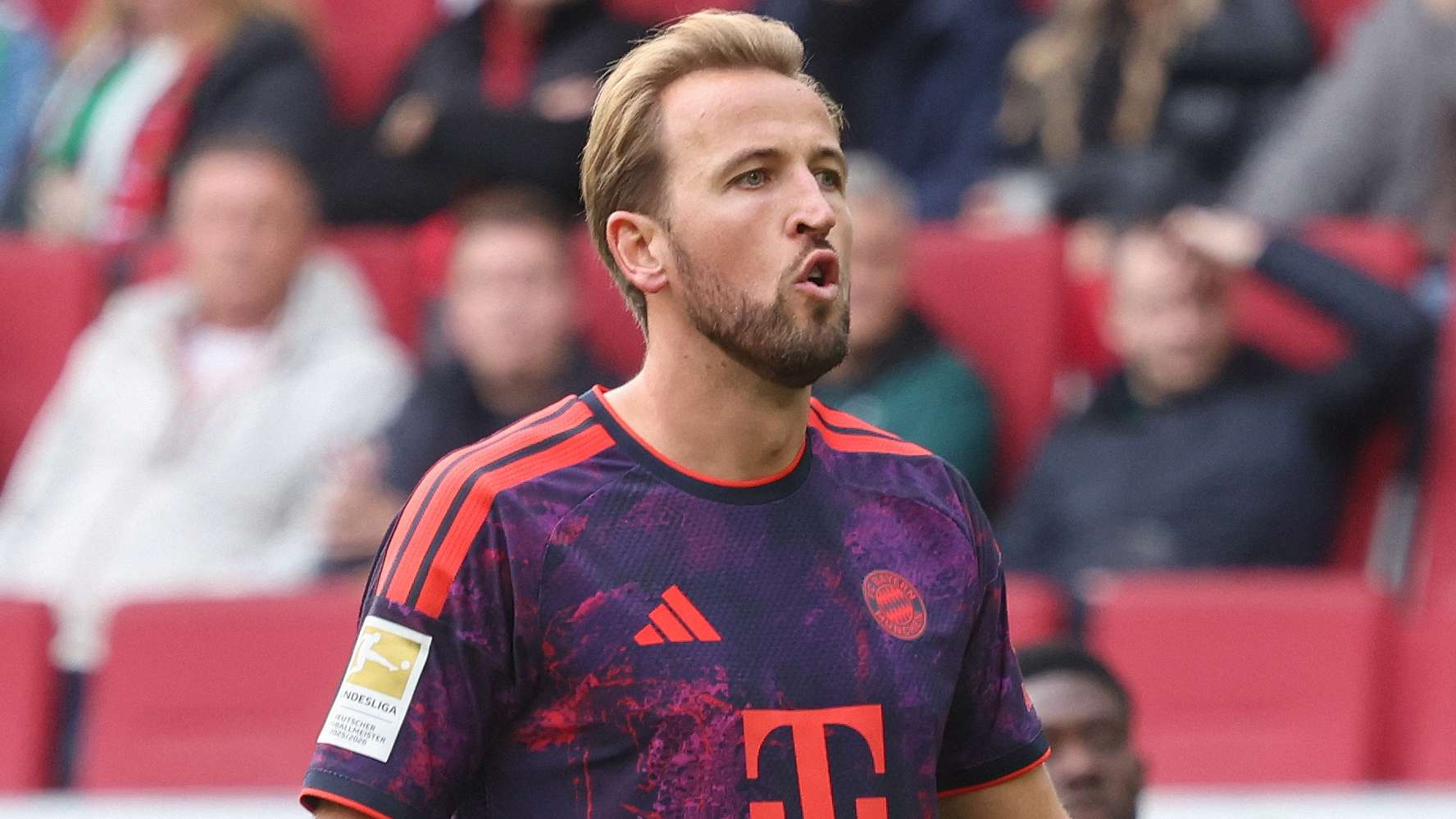
Harry Kane’s future at Bayern Munich is back in the spotlight, with former England international Dion Dublin urging Premier League clubs to consider bringing the striker back to England. Dublin believes Kane would improve any side in the division, while Manchester United could be a particularly strong fit for the prolific forward.
The debate comes as Bayern reportedly move closer to extending Kane’s contract. The England captain is currently tied to the German champions until 2027, and both the player and the club have indicated that they are open to continuing their partnership. No agreement has been announced, however, leaving room for speculation about what might happen next.
Dublin: Every Premier League club would want Kane
Speaking to BetVictor, Dublin made a forceful case for Kane’s value to English football. “Harry Kane could be in the starting line-up for any Premier League team,” he said, adding that every club in the division would take the striker “one hundred per cent.”
Dublin singled out Manchester United as a potential destination. The club had been linked with Kane before he left Tottenham Hotspur for Bayern in 2023, and Dublin believes United should act decisively if they remain interested.
“United have fancied him for a long time, talked about it too much. If you want him, go and get him!” Dublin said. He also argued that Kane’s age should not rule out a move. Kane turned 33 in July, but Dublin believes his intelligent movement and ability to find scoring positions could keep him effective for several more seasons.
That assessment reflects a broader point about Kane’s game: his influence is not limited to pace or physical power. He can drop deeper to link play, create chances for teammates and still arrive in the penalty area at the right moment. For a team seeking a reliable goal scorer, that combination can be valuable even as a player enters the later stages of his career.
Would a transfer fee be worth it?
Dublin also suggested that a substantial transfer fee should not automatically put interested clubs off. He said that even a reported price of £70 million or £80 million could be justified if a team believes Kane would solve its goalscoring problems.
“Why do you buy Harry Kane? So that he scores goals,” Dublin said. His argument is straightforward: elite strikers can be expensive, but goals can change league campaigns, cup ties and the outcome of tight matches. Any club considering a move would still need to weigh the fee against Kane’s age, wages and the length of contract on offer.
For now, a return to England appears far from imminent. Kane’s current deal runs until 2027, and Bayern have made clear that they want to extend it. The club’s sporting leadership, including board member for sport Max Eberl and sporting director Christoph Freund, have publicly expressed confidence in keeping the striker.
Freund said there was no new development in the negotiations but described the discussions as positive. He added that Bayern “definitely want to extend” Kane’s contract and noted that the player feels very comfortable in Munich.
Kane has offered a similarly encouraging update. “We are pretty close. I feel comfortable. It won’t be too much longer before there is an announcement,” he said recently. Those comments suggest that a contract extension may be more likely than a transfer, although until the paperwork is complete, speculation will continue.
Bayern Munich set the defensive standard in Europe
While Kane’s contract attracts attention, Bayern are also making headlines for a striking defensive statistic. According to the CIES Football Observatory, the Munich side allow fewer shots on target per match than any other club across the 32 European leagues included in its study.
Bayern’s opponents average just 4.9 shots on target per game against them. The figure highlights the team’s ability to limit dangerous attempts, an important measure of defensive control that goes beyond simply counting goals conceded. It can reflect effective pressing, strong positioning and the ability to keep opponents away from high-quality shooting areas.
The comparison also underlines how unusual Bayern’s figure is among clubs from Europe’s leading competitions. Barcelona are the only other team from one of the five biggest leagues to feature in the top 10, ranking 10th with an average of 6.68 shots on target conceded per match.
A strong statistic despite the Augsburg draw
Bayern’s defensive numbers remained impressive even after their 2-2 draw with FC Augsburg. Manuel Neuer conceded after only eight seconds, in what was reported as the fastest goal in Bundesliga history, and Bayern ultimately allowed two goals. Yet only five Augsburg shots hit the target.
That match illustrates why shot statistics need context. A low number of shots on target does not guarantee a clean sheet, particularly if an opponent takes advantage of an early lapse or converts a limited opportunity. Still, consistently restricting opponents to few accurate attempts is generally a sign of a well-organised team.
Neuer and Jonas Urbig have shared goalkeeping duties this season, giving Bayern options between the posts. The team’s defensive record is therefore a collective achievement rather than a measure of the goalkeeper alone: pressure from the forwards, protection from midfield and coordination across the back line all contribute to limiting opponents’ chances.
European clubs with the fewest shots on target conceded
The CIES figures place Bayern at the top of the list, ahead of clubs from a wide range of domestic competitions. FK Kharkiv rank second with 5.84, followed by Panathinaikos at 6.12. Other teams in the top 10 include FK RFS, Dinamo Moscow, Vitória Guimarães, Hajduk Split, LNZ Cherkasy and Benfica.
The list offers an interesting reminder that defensive strength is not exclusive to Europe’s wealthiest leagues. Clubs across different countries can build effective systems that restrict opponents, even if they receive less international attention than Bayern or Barcelona.
Upcoming Bayern fixtures and what to watch
Bayern’s next schedule includes European and domestic tests that could show whether the team can maintain its defensive consistency. The club is listed to face Viking Stavanger in the Champions League before returning to Bundesliga action against RB Leipzig. A further European fixture against Arsenal is also on the schedule.
Those matches will provide a demanding test of Bayern’s structure, particularly against opponents capable of creating chances through quick transitions and sustained possession. For supporters, the key questions are whether Bayern can keep limiting shots, how Neuer and Urbig share the workload, and whether Kane’s future becomes clearer before the next major stretch of the season.
Any football prediction about Bayern’s campaign should account for both sides of the story: the team’s exceptional ability to restrict shots and the importance of converting its own chances. Meanwhile, the Premier League speculation around Kane is likely to persist until Bayern confirm a new deal. For now, the strongest indication is that the striker is comfortable in Munich and that the club is determined to keep him.