
Real Madrid Dressing-Room Anger Grows After Villarreal Win
Real Madrid may have secured a hard-fought victory over Villarreal, but the result did little to ease the frustration surrounding refereeing decisions. According to Spanish newspaper Marca, discontent continued inside the Santiago Bernabéu dressing room after the final whistle, with several players questioning what they see as inconsistent treatment of similar incidents.
The debate has centred on two controversial moments: Vinícius Júnior’s dismissal for pulling an opponent’s hair and a challenge on Fede Valverde in an earlier match that Real Madrid believe should have been punished. The players reportedly accepted that the referee could interpret Vinícius’s action as a red-card offence. Their concern, however, is that comparable incidents involving Madrid players have not always received the same scrutiny from officials or the video assistant referee.
Players question consistency in refereeing decisions
One player reportedly voiced the group’s frustration after the Villarreal match, contrasting the punishment handed to Vinícius with the decision not to penalise the tackle on Valverde. The complaint reflects a broader issue in modern football: supporters and players alike often judge refereeing not only by whether a single call is correct, but also by whether similar situations are handled consistently across matches.
Video assistant referee technology was introduced to help officials review decisive incidents, including potential red cards and serious fouls. Yet VAR decisions remain a regular source of debate because the process depends on interpretation as well as camera evidence. Real Madrid’s players are understood to believe that certain incidents in previous games deserved closer review, including moments from the recent derby.
The team’s frustration was also fuelled by the disciplinary figures from the Villarreal contest. Madrid players received five yellow cards and one red despite committing eight fouls, while Villarreal were penalised for 13 fouls and received two bookings. Those numbers do not, by themselves, establish that the referee was wrong: the seriousness and nature of each offence matter. But they help explain why Madrid’s players felt the match was being managed unevenly.
Vinícius incident dominates the post-match discussion
Vinícius was at the centre of the controversy. He began the match on the bench but made an immediate impact after coming on, injecting pace and attacking energy into Madrid’s forward line. Later, his clash with William Saliba became the defining moment of the evening, overshadowing the result and generating extensive discussion among fans and pundits.
The Brazilian reportedly told teammates that the hair-pulling was unintentional and that he had no intention of injuring his opponent. Saliba continued playing during the sequence, which also included a Madrid goal being ruled out. Vinícius’s teammates are said to have supported his explanation, with one reportedly insisting that he was not capable of deliberately trying to hurt an opponent.
Intent can influence how players and supporters view an incident, but referees must also consider the action itself and the relevant disciplinary rules. A red card can be issued for violent conduct even when a player argues that there was no deliberate attempt to cause injury. The referee’s written report will therefore be important as Madrid consider whether to challenge the decision.
With the incident included in the referee’s report, the club reportedly expects Vinícius to face a suspension of at least two matches, even if an appeal is lodged. That possibility would make the timing especially significant, with a Clásico against Barcelona scheduled for 25 October. Any ban affecting one of world football’s most high-profile fixtures would intensify attention on the disciplinary process.
Konaté yellow card gives Madrid another appeal option
Vinícius’s dismissal was not Madrid’s only concern. The club also plans to appeal a late yellow card shown to Konaté for an alleged foul on Villarreal forward Gerard Moreno. Madrid believe the available footage shows that the defender did not make contact with Moreno and are reportedly confident the booking can be overturned.
The appeal matters because the caution could have consequences later in the season. If it stands, it would be Konaté’s fourth yellow card in eight La Liga appearances, bringing him closer to a suspension under the competition’s accumulation rules. The contrast with his previous record has also attracted attention: he reportedly collected seven yellow cards across 36 Premier League appearances last season.
Reviewing such decisions is not simply a matter of counting cautions. The appeal panel will consider the referee’s report and the available video evidence, then determine whether the booking was a clear error under the applicable regulations. Madrid’s confidence may be strengthened if the footage supports their reading of the challenge, but the outcome will depend on the formal review.
Touchline tensions add to the atmosphere
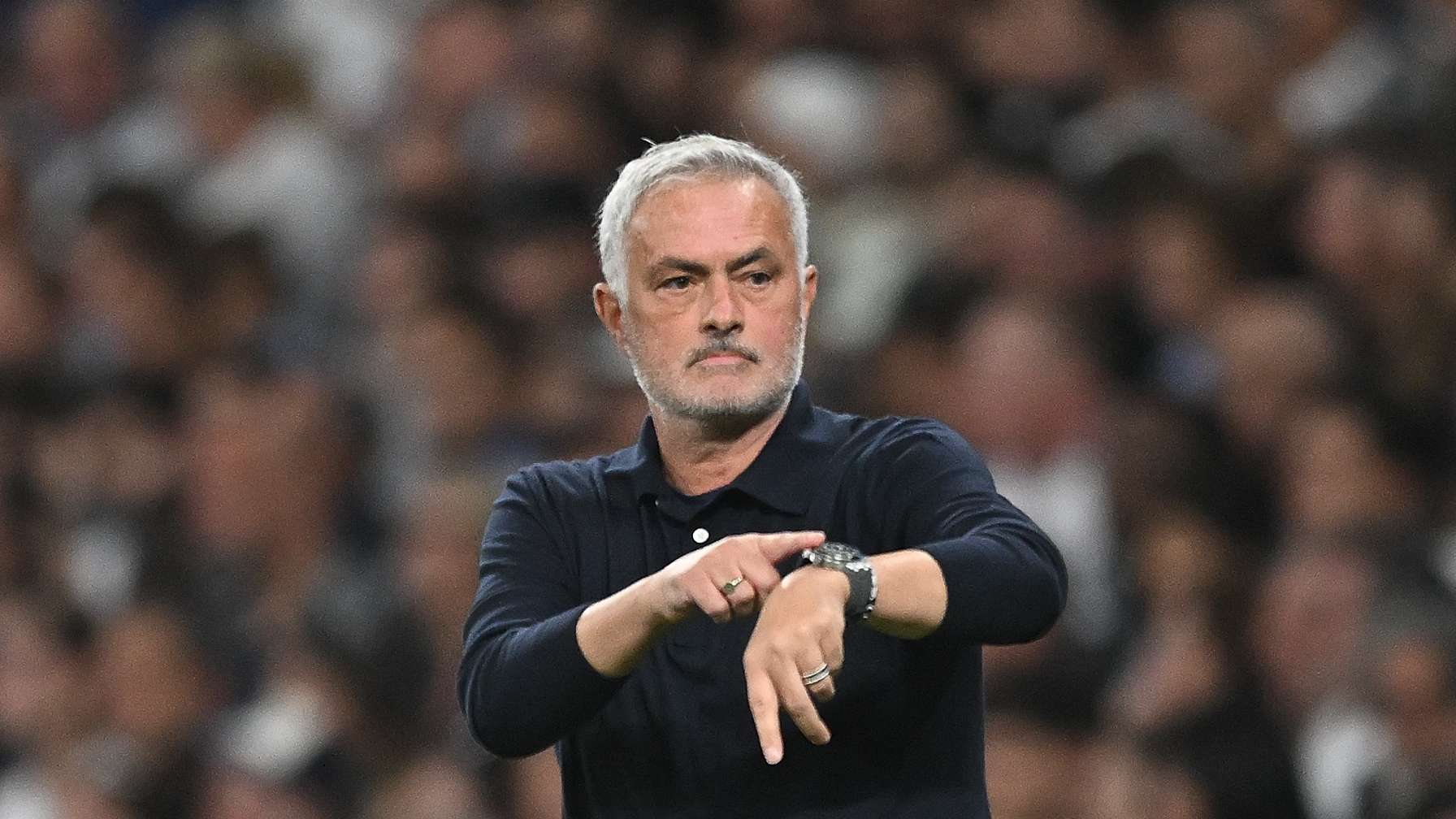
The disagreement extended beyond the players. Madrid reportedly felt that the referee’s assistants and the fourth official treated them in a condescending manner, while the fourth official was involved in repeated exchanges with José Mourinho during the match. The club’s anger, as described in the report, was therefore about both individual decisions and the overall tone of the officiating.
Mourinho ended the evening visibly furious and chose not to attend the post-match press conference. He reportedly told people close to him that he wanted to avoid saying anything that might jeopardise his availability for upcoming fixtures against Sevilla and Barcelona. The decision suggests that he believed public criticism could lead to disciplinary consequences, although no formal sanction was detailed in the report.
What the controversy could mean for Madrid
For Real Madrid, the immediate priority is managing the possible fallout. A suspension for Vinícius could force the coaching staff to adjust their attacking plans, while the appeal over Konaté’s booking may prove important for squad depth in the weeks ahead. The club must also keep its focus on the league campaign rather than allow the refereeing dispute to dominate preparations for major matches.
For supporters searching for a football prediction ahead of Madrid’s next fixtures, the uncertainty around player availability is an important factor. Vinícius’s status, the outcome of Konaté’s appeal and any response from the club could all influence expectations. Until the disciplinary decisions are confirmed, predictions about Madrid’s attacking options and defensive balance should be treated with caution.
The wider issue is unlikely to disappear with one appeal. High-profile clubs regularly challenge decisions they consider inconsistent, while officials must apply the rules across matches played under intense scrutiny. Whether Madrid’s complaints lead to a reversal or not, the Villarreal game has renewed the debate over VAR, disciplinary standards and the fine line between interpretation and consistency in elite football.