
Hoeness’ Musiala Comments Create Tension at Bayern as Kompany Takes a Different Approach
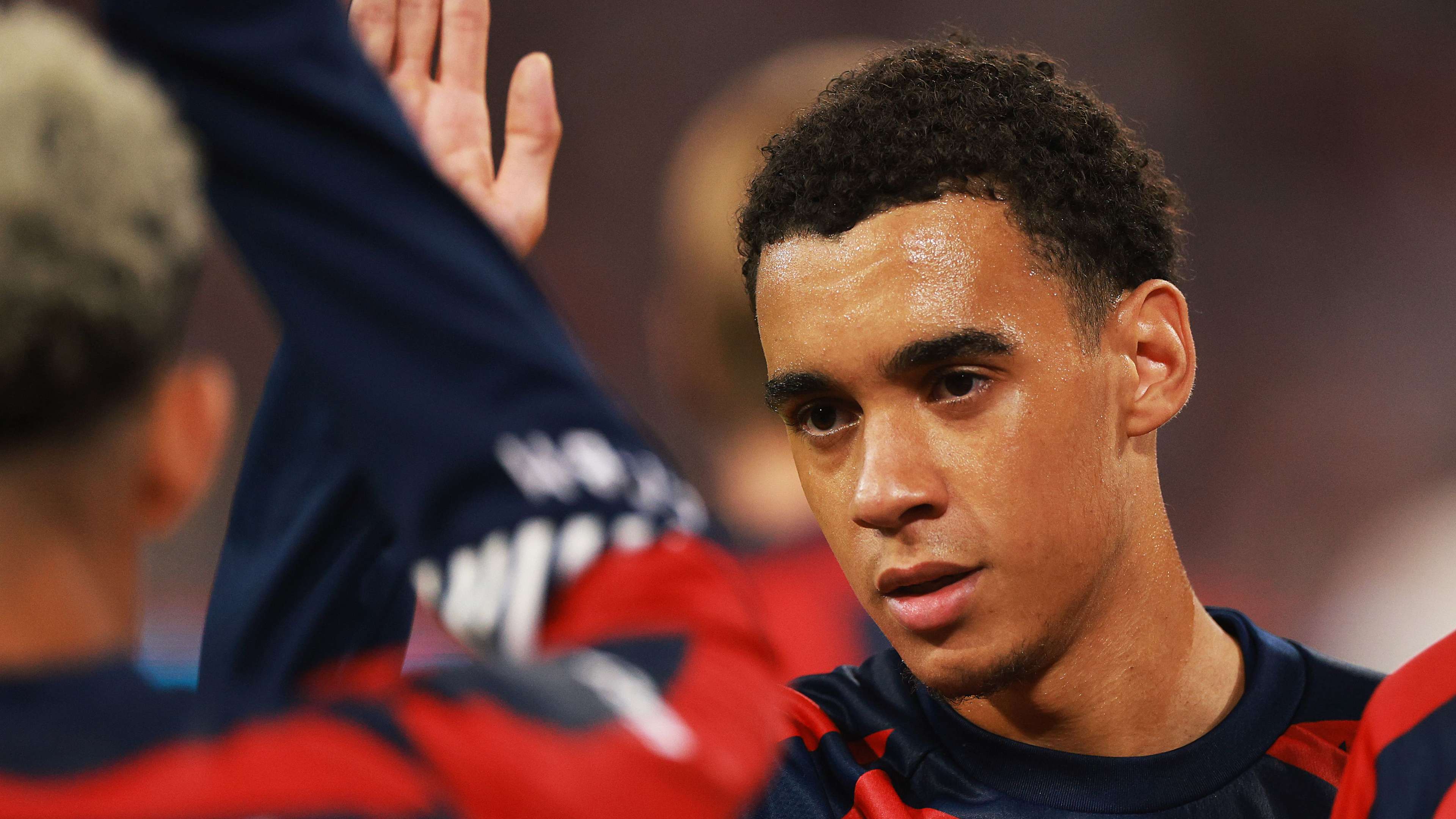
Jamal Musiala’s recovery has become a talking point at Bayern Munich, but the debate is no longer limited to when the Germany international will return to the pitch. Comments from honorary president Uli Hoeness about the midfielder’s fitness and future level have reportedly caused unease inside the club, highlighting a sharp contrast with the public support shown by head coach Vincent Kompany.
Musiala is currently working his way back from a muscle tear. While Bayern supporters are eager to see one of the team’s most creative players again, Hoeness has questioned whether the 23-year-old can recover the form that made him such a decisive presence in the side. The remarks have added pressure to an already delicate rehabilitation period and prompted fresh discussion about how best to motivate an injured star.
Why Hoeness’ remarks caused concern
Speaking on German broadcaster BR, Hoeness raised the possibility of Bayern questioning whether Musiala’s current contribution matches the terms of his contract. He asked listeners to imagine the club telling a player that what he can offer at present no longer corresponds with what had been agreed.
The comments drew attention because they came while Musiala is still recovering, rather than after a sustained return to competitive football. According to reporting by the German outlet TZ, some figures within Bayern understood the underlying concern but felt it did not need to be expressed publicly in that way. The renewed focus on Musiala’s neurological condition was also viewed as particularly sensitive, given that his current absence is due to a muscle injury.
Hoeness’ remarks do not necessarily indicate a change in Bayern’s official position, but they have made the player’s situation a subject of wider debate. For a young footballer returning from injury, public speculation about long-term performance can become an additional burden—especially when it comes from one of the most influential figures in the club’s history.
Musiala’s health and rehabilitation
Musiala has reportedly experienced two episodes of losing consciousness earlier in the season. However, he has not had another episode in the past two months after doctors adjusted the dosage of his medication. Reports suggest the condition is now largely under control, although it remains a private health matter and should not be confused with the muscle tear currently keeping him out of action.
The length of Musiala’s absence has also raised questions. A muscle injury can vary significantly in severity, and recovery is not always a straight line. Players may need to reduce training loads if pain returns, even when they initially appear close to full fitness. A cautious approach can be frustrating for supporters, but it may help prevent a minor setback from becoming a longer-term problem.
That context matters when assessing the situation. Without a complete medical update, outside observers cannot know exactly why the recovery has taken longer than expected. The most useful measure will be whether Musiala can progress through training without discomfort and build match fitness gradually once he is cleared to return.
Kompany’s public backing contrasts with Hoeness’ approach
Reports describe Musiala as one of the most important attacking options available to Kompany, particularly when Bayern need a player capable of changing a match through close control, movement and inventive passing. The coach has continued to speak positively about the midfielder and has publicly encouraged him as he works toward a comeback.
That support stands in contrast to Hoeness’ more confrontational tone. The difference may reflect two distinct ideas about motivation. Kompany’s approach appears to emphasize confidence and patience, reassuring Musiala that he remains central to Bayern’s plans. Hoeness, by comparison, may believe that a blunt challenge can push a player to respond with determination.
Whether either approach has a direct effect on Musiala is impossible to know from the outside. But the contrast has become a compelling storyline around Bayern: one influential figure is offering encouragement, while another has raised questions that could be interpreted as a demand for proof. For the player, the clearest response may come through a steady return to training and, eventually, performances on the pitch.
Matthäus suggests there may be more to the delay
Bayern legend Lothar Matthäus has offered a different perspective on the length of Musiala’s recovery. He said that a seven-week absence for a muscle tear seemed unusual and suggested there could have been a further complication, a more serious initial injury or a setback during rehabilitation.
Matthäus also referred to reports that Musiala felt pain during a training session, prompting Bayern to reduce his workload. That would be consistent with a conservative recovery plan: when symptoms return, medical staff may scale back activity rather than risk a premature comeback. Such caution can extend the timeline, but it can also protect a player from repeated interruptions.
On Hoeness’ comments, Matthäus offered a more charitable interpretation. He suggested the honorary president might have been trying to motivate Musiala to give everything in the weeks and months ahead. In Matthäus’ view, the challenge could inspire the midfielder to return strongly and demonstrate his value—an outcome that would ultimately delight Hoeness as well.
What Musiala’s return could mean for Bayern
Musiala’s influence extends beyond his ability to score. He can carry the ball through tight spaces, draw defenders away from teammates and create openings in areas where Bayern’s attacks might otherwise become predictable. Those qualities make him a valuable option for Kompany, particularly in high-pressure Bundesliga fixtures and major European matches.
Still, Bayern will need to balance the desire to bring him back quickly with the need to restore his fitness safely. A successful comeback is not defined only by the first appearance; it depends on whether Musiala can build consistency without suffering another setback. For now, the sensible prediction is that Bayern will prioritize his rehabilitation over a fixed return date, with progress in training likely to be the clearest indicator of when he is ready.
The discussion around Hoeness, Kompany and Musiala therefore reflects a broader challenge in modern football: how clubs support elite players through injury while managing expectations in public. Bayern’s coach has emphasized belief, Hoeness has applied pressure, and Matthäus has urged caution about drawing conclusions from the outside. Musiala’s recovery will ultimately shape the conversation. If he returns to his best, the debate may quickly fade; until then, patience and careful medical management remain central to Bayern’s hopes.