
Adam Masina Retires From Football at 32 and Begins Coaching Career
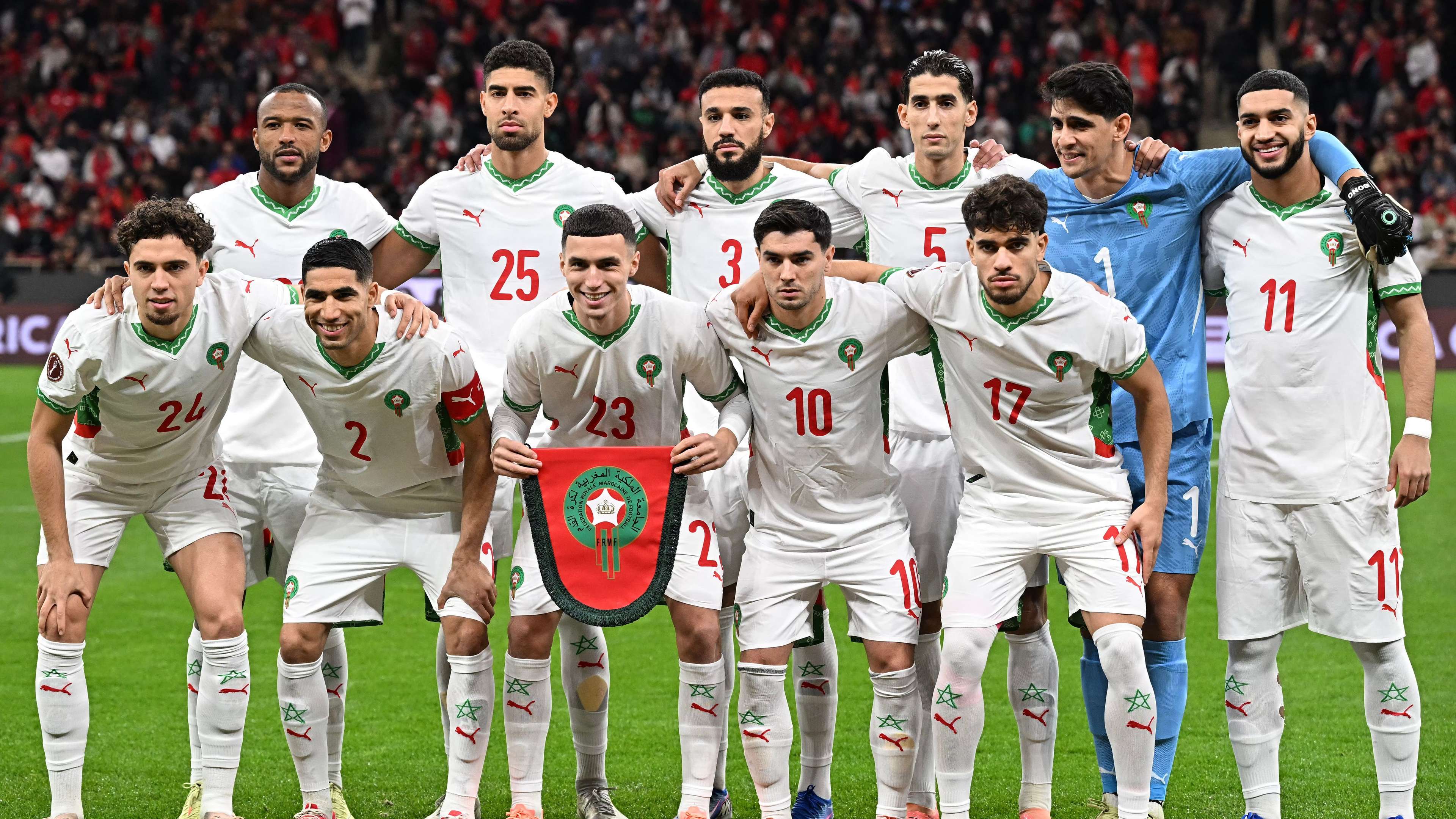
Morocco international Adam Masina has retired from professional football at the age of 32, bringing an accomplished playing career to a close after persistent physical problems made it difficult to continue. The defender announced his decision on Wednesday, only months after representing Morocco in the Africa Cup of Nations final against Senegal—a match that now marks his final appearance as a player.
Rather than step away from the sport altogether, Masina is moving straight into coaching. According to Corriere di Bologna, he has joined the staff of Italian fourth-division side Progresso as an assistant to head coach Francesco Salmi. The transition gives the former defender a new role in football and an opportunity to pass on the experience he gained across club and international competition.
Physical Problems Bring Playing Career to an End
Masina’s retirement follows a period of physical difficulties that affected his ability to continue competing at the highest level. At 32, he might otherwise have expected to have several playing years ahead of him. But the demands of professional football, combined with ongoing fitness concerns, ultimately influenced his decision to call time on his career.
His final chapter on the pitch came in Morocco’s Africa Cup of Nations final against Senegal. For a player who had earned a place in the national setup through years of consistent work, appearing in such a high-pressure contest offered a fitting, if unexpected, final moment. The match also placed Masina among the players who helped Morocco reach the tournament’s decisive stage.
Retirement does not necessarily mean a complete departure from the game. In Masina’s case, the move to Progresso allows him to remain involved while adapting to a different side of football. Coaching will require new skills: instead of focusing on his own positioning and performance, he will help prepare players, communicate tactical ideas and support the head coach’s plans.
From Serie A Experience to the Progresso Dugout
Masina built a career across several clubs, including Bologna, Watford, Udinese and Torino. His experience in Italian football, as well as his time in England, gave him exposure to different playing styles and dressing-room environments. He was a free agent after leaving Bologna in January, having most recently been associated with the Italian top flight.
As a defender, Masina was valued for his versatility and ability to operate in different roles across the back line. His international performances also showed how those qualities could translate to a national team setting. At the Africa Cup of Nations, he impressed in a central defensive role for Morocco, demonstrating the composure and positional awareness needed to compete against some of the continent’s strongest sides.
That background could prove useful at Progresso, where his knowledge of elite-level preparation may offer a fresh perspective. Although the club competes in Italy’s fourth division, the fundamentals of defending—communication, anticipation, discipline and teamwork—remain essential at every level. Masina’s experience can help him explain those details to players working to improve their game.
A New Challenge in Coaching
Moving from the pitch to the coaching staff is a significant change, even for a player with years of experience. A professional footballer is responsible for carrying out a plan; an assistant coach helps shape it, reinforce it and adjust it as circumstances change. Masina will need to build relationships with players, understand the club’s approach and support Salmi across training sessions and match preparation.
The role also gives him a chance to develop gradually in a new profession. Former players often bring valuable insight into the pressures of competition, recovery and team dynamics, but coaching calls for more than first-hand experience. It requires clear communication, patience and the ability to help individuals and groups improve. Working as an assistant offers Masina a practical introduction to those responsibilities.
His decision reflects a familiar reality in modern football: careers can change quickly when injuries or physical problems intervene. For some players, retirement means leaving the sport behind. For others, it becomes the starting point for a second career in coaching, scouting or club management. Masina’s immediate move into Progresso’s staff suggests he is ready to stay close to the game and explore what comes next.
What Masina’s Retirement Means for Morocco
For Morocco, Masina’s retirement closes a chapter involving a defender who contributed to the national team during a significant period. His appearance in the Africa Cup of Nations final gives his international career a memorable endpoint, even as the national side continues preparing for future tournaments and qualification campaigns.
Supporters following Morocco’s upcoming fixtures will now see Masina from a different perspective: not in the defensive line, but beginning a coaching journey in Italy. His experience with the national team and established European clubs could shape the advice he offers young players, particularly those learning how to handle tactical demands and the pressure of important matches.
There is no guarantee that a successful playing career will automatically lead to success on the coaching side. Masina will have to earn his place in the profession, just as he did as a player. Still, his decision to begin immediately gives him a chance to turn years of football knowledge into practical experience.
At 32, Adam Masina is ending one career earlier than many might have expected, but he is not leaving football behind. His final appearance for Morocco against Senegal will remain a defining memory of his playing days. Now, with Progresso, he begins a new challenge from the dugout—one that could offer a fresh prediction for the direction of his future in the sport: a gradual move from international defender to coach.