
Ousmane Dembélé’s Holiday Joke Gets a Playful Response From Luis Enrique
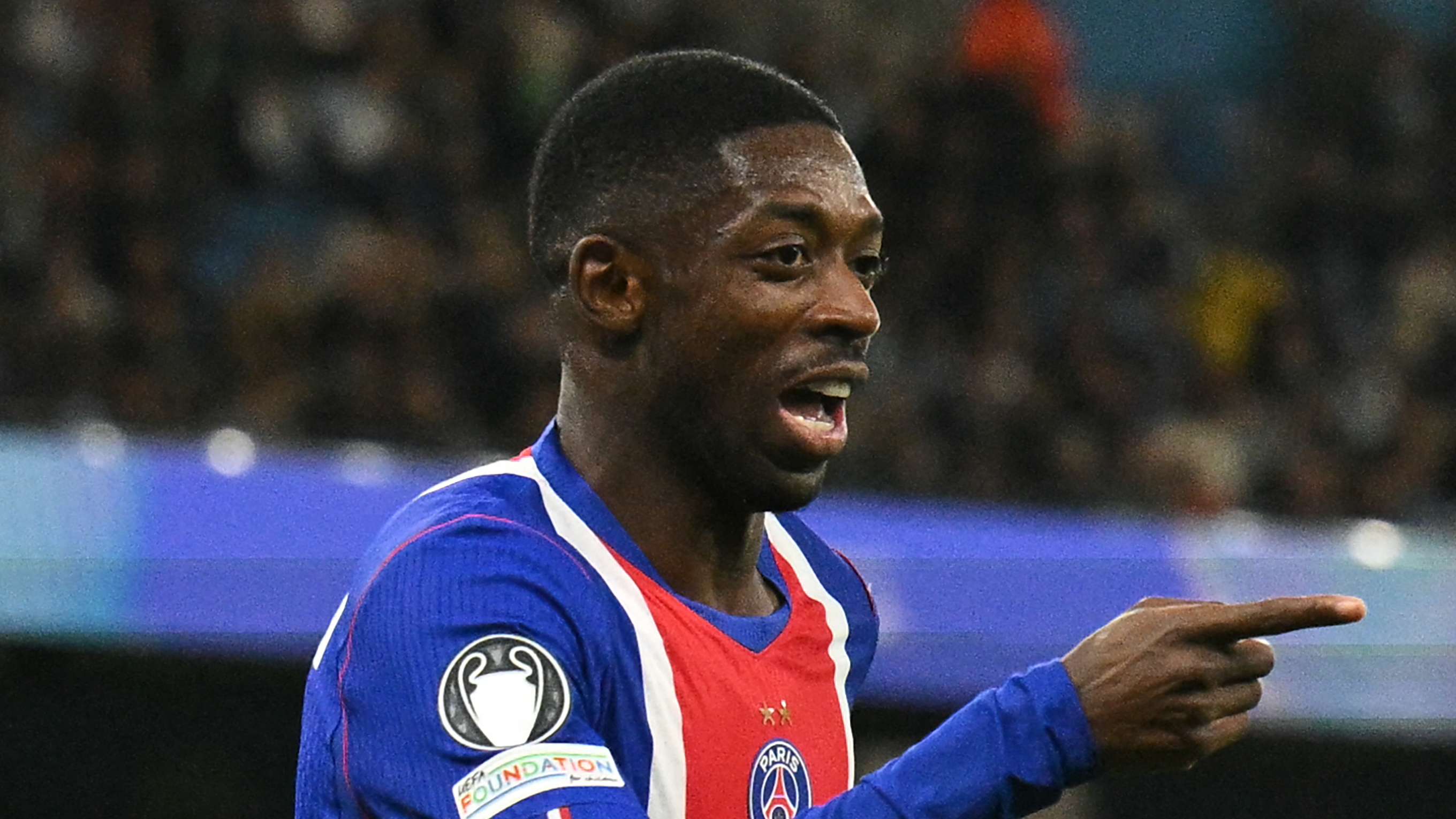
Ousmane Dembélé marked Paris Saint-Germain’s Champions League victory over Manchester City with a goal—and a light-hearted suggestion that he deserved more time off. The forward’s joke quickly caught the attention of PSG head coach Luis Enrique, who responded in the same playful spirit as the club turns its focus to a demanding run of upcoming fixtures.
The exchange offered a relaxed moment after a high-stakes European contest. For PSG, however, the win carried serious significance: beating Manchester City provided a valuable boost in a competition where every result can shape a team’s route toward the later rounds. Dembélé’s contribution underlined his attacking importance, while his post-match quip gave supporters a glimpse of the good humour within the squad.
Dembélé’s goal and the joke that followed
Scoring against a major European opponent is usually reason enough for a forward to celebrate. Dembélé added a personal twist, joking that he needed more holidays after finding the net in PSG’s Champions League win. The remark was delivered as banter rather than a formal request, but it quickly became a talking point because it captured the contrast between football’s relentless schedule and the lighter moments players share after a big result.
His comment also reflected the intensity of life at the top level. Elite players move between league matches, domestic cup ties and European nights, often with limited time to recover between games. Travel, training and media commitments add to the workload. A joke about holidays may be casual, but it points to a wider reality: rest and recovery are important parts of a long football season, particularly for players expected to perform at full speed in several competitions.
Luis Enrique keeps the banter going
PSG coach Luis Enrique responded playfully to Dembélé’s cheeky request ahead of the team’s next fixtures. Rather than turning the exchange into a serious discussion about selection or workload, the coach met the forward’s humour with humour of his own. That response helped preserve the light tone of the moment while making clear that the team’s attention must soon return to the work ahead.
For a coach, managing a squad involves more than choosing a starting eleven. It also means maintaining energy, confidence and togetherness through a packed calendar. A relaxed exchange between a manager and one of his key attackers can help reinforce a positive atmosphere, especially after a demanding match. At the same time, the fixture list does not pause for a punchline, and PSG will need to prepare carefully for the challenges that follow.
Why the Manchester City result matters
A Champions League victory over Manchester City carries weight because of the quality and experience associated with the English club. Matches between leading European sides are often decided by small details: a timely run, a sharp finish, a defensive intervention or a moment of composure under pressure. Dembélé’s goal gave PSG an important attacking contribution in a contest that demanded concentration and confidence.
For Paris, a result of this kind can strengthen belief in the team’s approach. It can also provide useful momentum as players move back into domestic competition. Still, one win does not settle the season or guarantee progress. The Champions League is a long campaign, and consistency across multiple matches is essential. PSG must build on the performance rather than rely on the emotional lift of a single night.
Dembélé’s role in PSG’s attacking plans
Dembélé offers PSG a different kind of threat because of his pace, close control and ability to take on defenders. He can stretch a defence by attacking space, create opportunities through dribbling and contribute goals when the moment arrives. Against opponents who defend with discipline, that unpredictability can be especially valuable: defenders must decide whether to close him down or protect the space behind them.
His influence is not limited to scoring. A forward’s movement can open lanes for teammates, force opponents to shift their defensive shape and create room for attacks on the opposite side. That makes Dembélé an important part of PSG’s wider football structure. When he is confident and involved, the team gains another route to goal, reducing the burden on any single attacker.
Recovery, rotation and the schedule ahead
Dembélé’s holiday joke also highlights a practical issue facing clubs competing on several fronts. Coaches must balance the need to keep key players sharp with the risk of overloading them. Recovery sessions, careful training plans and squad rotation can help reduce fatigue, although every decision depends on the player’s condition, the opponent and the importance of the next match.
Rotation is not simply a matter of resting a star. It can give other squad members meaningful minutes, preserve freshness for crucial fixtures and help a team remain competitive throughout the season. But changing too many players can affect rhythm and coordination. Luis Enrique and his staff must therefore judge how best to manage the group as PSG navigate their upcoming commitments.
What comes next for PSG?
The immediate challenge for PSG is to carry the confidence from the Manchester City victory into the next stretch of the campaign. Supporters will be watching to see whether the team can maintain its attacking sharpness, continue creating chances and remain organised when opponents apply pressure. Dembélé’s form will be one of several factors, alongside the contributions of his teammates and the coach’s tactical choices.
Any prediction about PSG’s prospects should be measured. A high-profile win can signal potential, but sustained performance is what ultimately determines success in the Champions League and domestic football. The team’s ability to manage fatigue, respond to different styles of opposition and convert chances consistently will matter more than one result alone.
For now, Dembélé’s goal and his holiday quip have supplied both a sporting highlight and a welcome moment of levity. Luis Enrique’s playful response kept the exchange in good spirits, while the busy schedule ensures that PSG’s attention will soon shift back to preparation. The joke may have been about taking a break, but the club’s next priority is clear: recover, refocus and keep building on a significant European victory.