
Badminton World Federation Announces Scoring System Change
Earlier this year, the Badminton World Federation (BWF) made a groundbreaking announcement that shook the world of badminton. Starting from January 4, 2027, the traditional three-game format of 21 points will be replaced with a new system of three games of 15 points. This change has sparked a wave of mixed reactions within the badminton community, with players, coaches, and officials voicing their opinions on the shift.
First Domestic Tournament to Adopt New Scoring System
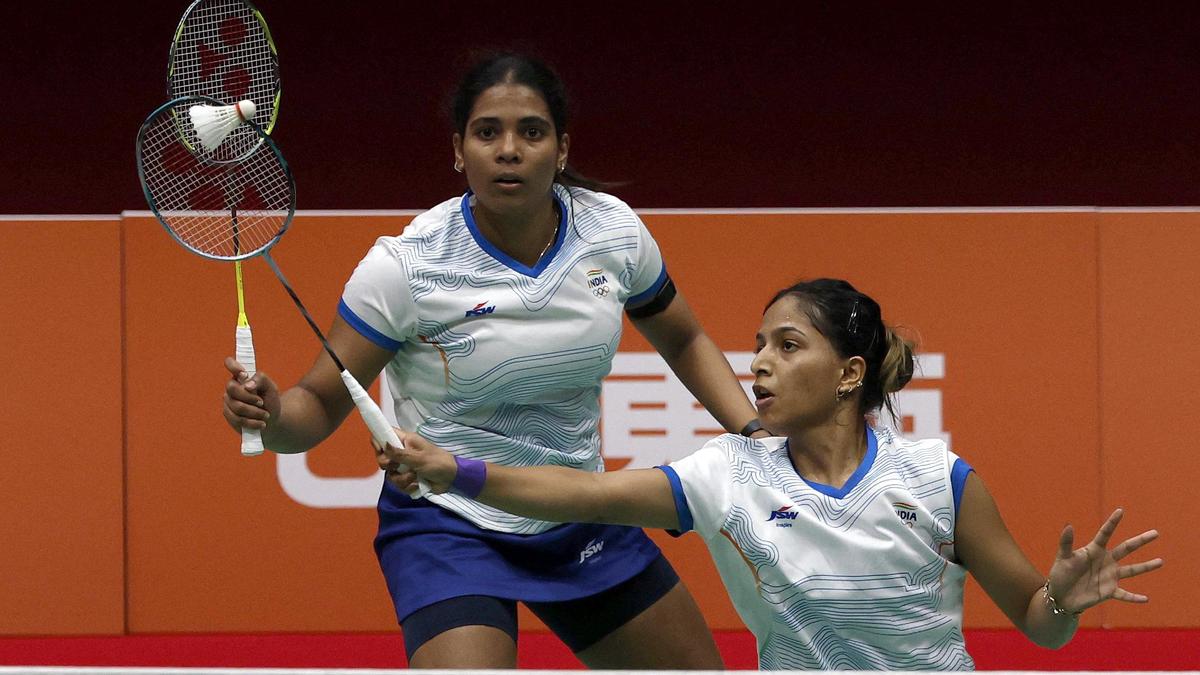
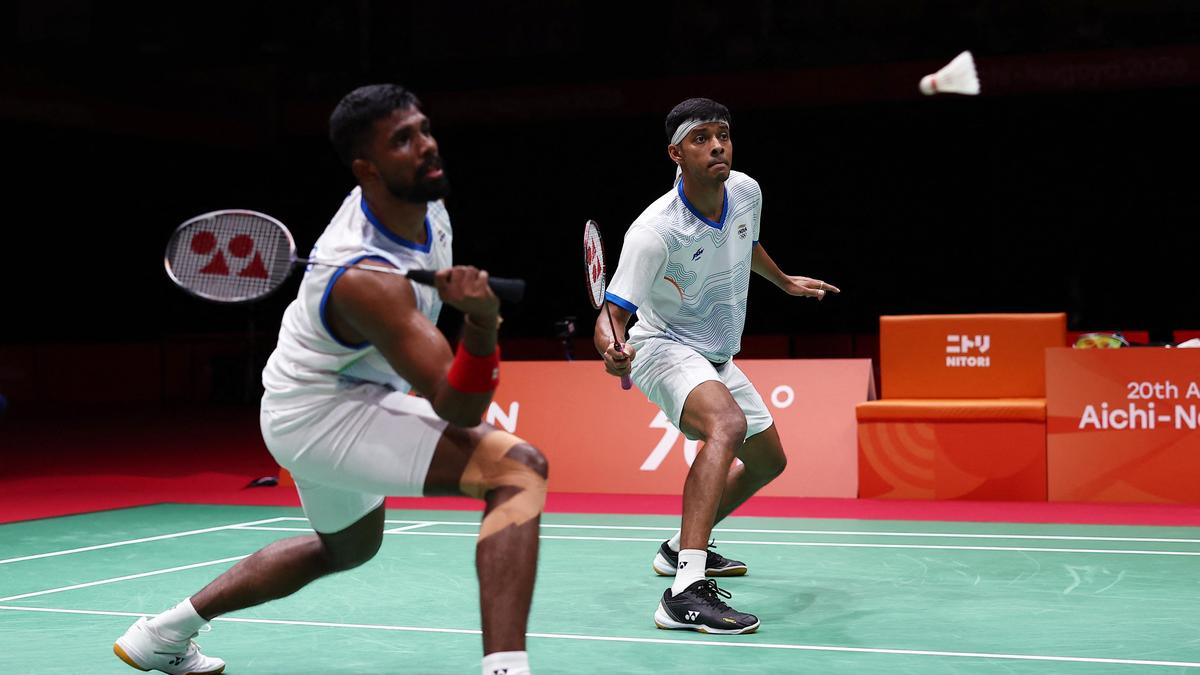
The All India Senior Ranking Badminton Tournament held at Ernakulam’s Regional Sports Centre on July 7 became the inaugural domestic event to implement the new 15-point scoring system. The tournament saw top players like Ashwini Ponnappa, a Commonwealth Games gold medallist, and doubles player, participating in the mixed doubles category alongside her partner, Sathish Kumar K, who clinched the top spot despite the scoring system change.
Players and Coaches Weigh In
While some players like Indian doubles player Bjorn Jaison have embraced the new format after initially being skeptical, others like former India chief coach Vimal Kumar have expressed disappointment. Kumar believes that the change could diminish the significance of fitness in badminton, which has always been a crucial aspect of the sport. However, the Badminton Association of India (BAI) is optimistic about the early rollout of the format on the domestic circuit, aiming to help players, coaches, and officials adapt before the international schedule transition in 2027.
Impact on Game Dynamics
The shift from the traditional 21×3 format to the 15×3 format is not a first for badminton. Previously, tournaments followed a 15-point format with a service change, which was later replaced by the now-familiar 21-point format without service changes. The new scoring system is expected to speed up gameplay and create more thrilling matches, similar to what the T20 format did for cricket.
Controversy and Concerns
Despite the excitement surrounding the change, some veteran players like Pullela Gopichand, former All England champion and chief national coach of the Indian badminton team, have raised concerns about the potential impact on players. Gopichand highlighted how format changes during his playing career affected his performance, and he fears that the 15-point format could disadvantage certain types of players.
Future Outlook
As the badminton community continues to adapt to the new scoring system, the focus remains on player welfare, game dynamics, and audience engagement. The 15×3 format offers a fresh perspective on the sport, with supporters believing it could bring a new era of excitement to badminton matches. While there are mixed reactions to the change, the consensus is that players will need to adjust their strategies and playing styles to stay competitive in the evolving landscape of the sport.
Ultimately, the true impact of the scoring system change will only be realized once players, coaches, and fans experience the new format in action. As badminton prepares to enter a new chapter in its history, the sport’s stakeholders are eagerly anticipating what the future holds for this beloved game.
International Response to Scoring System Change
Following the announcement of the scoring system change by the Badminton World Federation, reactions poured in from players and officials globally. Players from countries such as China, Indonesia, Denmark, and Japan shared their thoughts on how the new format could impact their gameplay strategies and training regimens. Some expressed concerns about adjusting to the shorter games, while others welcomed the change as a way to add more intensity to matches.
Training Adaptations for Players
With the impending shift to the 15-point format, players and coaches are already modifying their training routines to prepare for the new scoring system. Training sessions now emphasize quicker decision-making, agility, and mental resilience to excel in the faster-paced games. Coaches are also focusing on developing strategies that capitalize on the shorter format, such as aggressive play styles and precise shot placements to secure points efficiently.
Technological Innovations in Badminton
As badminton evolves with the scoring system change, technology is playing an increasingly vital role in enhancing the sport. Innovations such as Hawk-Eye technology for line calls, player performance tracking systems, and virtual reality training simulations are revolutionizing how players train and compete. These advancements not only improve the accuracy of officiating but also provide valuable data insights for players to analyze and refine their game strategies.
Global Tournament Adaptations
Major international tournaments, including the prestigious All England Open Badminton Championships and the World Championships, are gearing up to implement the new 15-point scoring system in line with the BWF’s directive. Organizers are working closely with players, coaches, and officials to ensure a smooth transition and to uphold the integrity of the sport while embracing the changes. The upcoming editions of these tournaments promise to showcase the exhilarating pace and intensity that the revised scoring system brings to the court.
Fan Engagement and Spectator Experience
With the potential for more dynamic and fast-paced matches under the new scoring system, fan engagement in badminton is expected to rise. The shorter games are likely to appeal to a broader audience, including casual viewers who are drawn to the excitement of quick rallies and tight finishes. Stadiums and broadcast platforms are exploring innovative ways to enhance the spectator experience, such as interactive fan zones, behind-the-scenes access, and detailed player statistics to keep audiences engaged throughout the matches.
Equity and Inclusivity in Badminton
One of the key considerations in implementing the scoring system change is ensuring equity and inclusivity in badminton. The new format aims to level the playing field by providing opportunities for players of various playing styles to excel. By encouraging adaptability and strategic versatility, the 15-point system promotes a more diverse range of players to thrive in competitive badminton, ultimately enriching the sport with a broader talent pool and exciting gameplay.
As badminton enters a transformative phase with the introduction of the 15-point scoring system, the global badminton community is embracing the evolution with enthusiasm and optimism. The sport’s rich history and traditions are merging with modern innovations to create a new chapter that promises to captivate players and fans alike for years to come.