
Dortmund’s rotation gamble backfires in 1-0 Champions League defeat
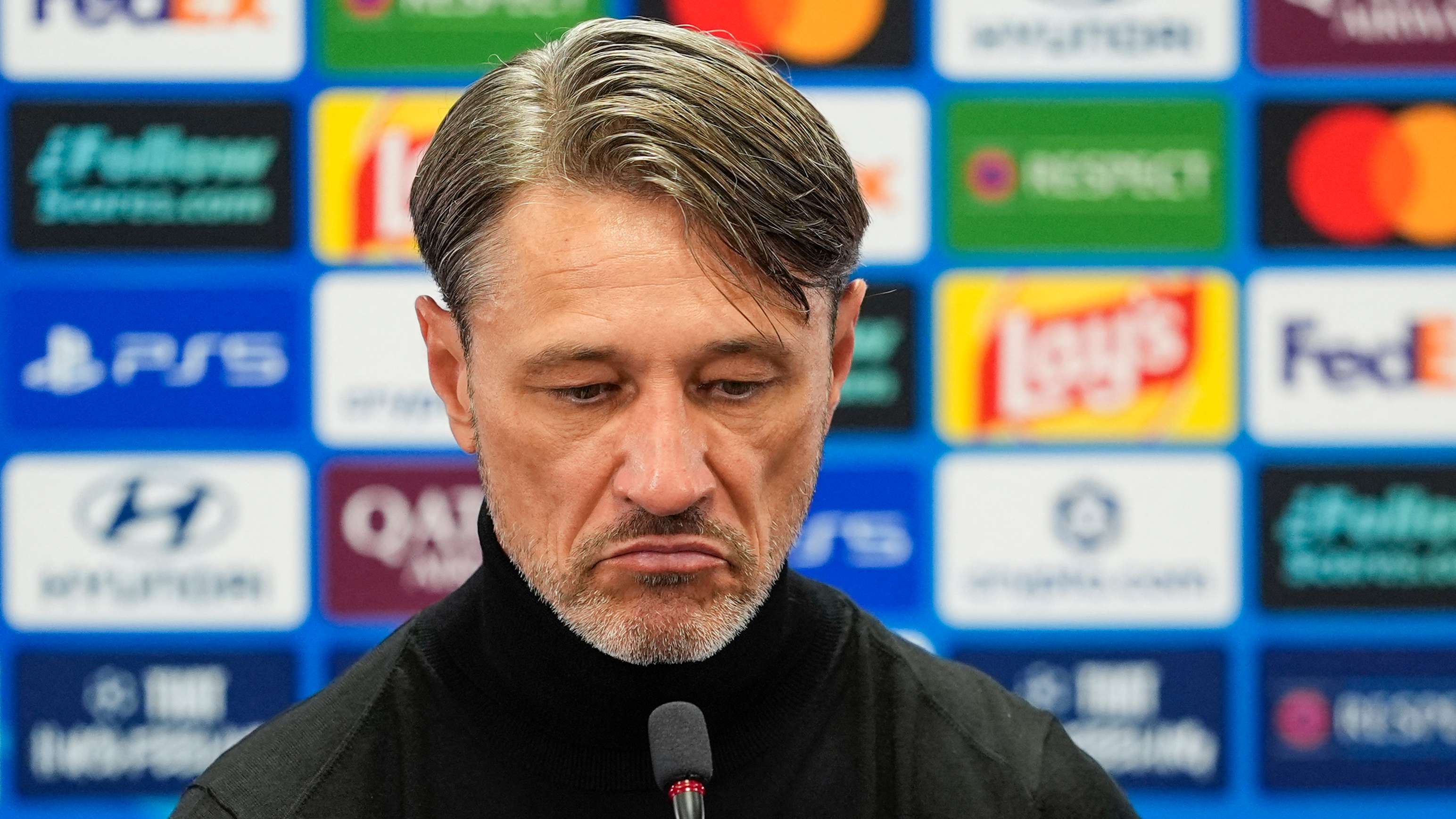
Borussia Dortmund’s demanding run of away fixtures was supposed to make squad rotation essential. Instead, coach Niko Kovac’s attempt to balance player workload with the challenges of an unfamiliar playing surface contributed to a frustrating 1-0 defeat against Bodø/Glimt in the Champions League.
The loss in northern Norway was the first stop on a punishing six-day stretch involving more than 11,000 kilometres of travel. Dortmund must now face Union Berlin in the capital before heading to Azerbaijan to meet Sabah FK. But after a subdued performance in Bodø, the immediate question is whether Kovac will trust his rotation options again so soon.
Why Kovac changed Dortmund’s starting lineup
Dortmund arrived in Norway after drawing 2-2 with Werder Bremen the previous Friday. Kovac made five changes, pointing to the extraordinary travel schedule and the demands of playing on artificial turf as important factors in his selection.
“No team in the world can get through a schedule involving travel like this with the same eleven players,” Kovac told DAZN before kick-off. He also believed that smaller, more agile players could adapt better to Bodø/Glimt’s synthetic surface, which can produce a quicker and less predictable bounce than natural grass.
Nico Schlotterbeck, recently back from another ankle injury, stayed in Germany as a precaution. Ramy Bensebaini took his place in defence, while Konstantinos Karetsas and Samuele Inacio were selected ahead of Ethan Nwaneri and Marcel Sabitzer. Joey Veerman and Fabio Silva also started, replacing Felix Nmecha and Serhou Guirassy.
Kovac hoped Karetsas, Inacio and Silva could use their mobility to create attacking openings. The thinking was understandable: quick feet and sharp movement can be valuable on artificial turf. But Dortmund struggled to give the young attackers the space and service they needed to make that plan work.
Artificial-turf strategy fails to create an attacking threat
Karetsas and Inacio, both 18, found it difficult to impose themselves. Dortmund rarely created the one-on-one situations or tight combinations that might have allowed them to exploit their pace and technique. Instead, the visitors repeatedly played the ball to feet, giving Bodø/Glimt’s defence time to get organised.
That approach also meant Dortmund failed to threaten the space behind the Norwegian back line. Kovac later acknowledged that his team had not attacked the defensive line effectively. Bodø/Glimt, by contrast, moved the ball forward with greater speed and made more purposeful runs into open areas.
“We didn’t do well with the ball at all; the opposition were much quicker,” Kovac said. He added that Dortmund had played too many passes in front of the defence and not enough beyond it. Without runs in behind, the visitors struggled to unsettle their opponents or turn possession into clear chances.
The first half offered little evidence that the selection plan was working. Yet Kovac made no changes at the interval, and Dortmund’s grip on the contest weakened further as the hosts grew in confidence.
Sjövoll’s goal exposes Dortmund’s lack of intensity
Bodø/Glimt took the lead in the 52nd minute through Fredrik Sjövoll. The goal proved decisive, but it reflected a wider pattern: Dortmund were often a step behind, slow to challenge and unable to match the hosts’ energy.
Centre-back Waldemar Anton was blunt in his assessment after the match. “We were always a step too late and weren’t assertive enough,” he said. “That was nowhere near enough.” Kovac also admitted his team had not shown the passion and intensity required to win in Norway.
The defeat was not simply a matter of unfamiliar conditions. Artificial turf may have influenced Kovac’s choices, but Dortmund’s difficulty moving the ball forward and competing for second balls left them vulnerable. Bodø/Glimt looked more comfortable with the tempo of the game and more decisive when opportunities appeared.
Substitutes bring the urgency Dortmund had been missing
Kovac eventually made four substitutions after the hour mark, introducing Nmecha, Guirassy, Ryerson and Nwaneri. The change in Dortmund’s attacking rhythm was immediate. Nmecha drove forward and made runs behind the defence, offering a direct threat that had been absent for much of the match.
Guirassy’s strength gave the Norwegian defenders a different challenge, while Ryerson and Nwaneri added greater forward momentum. Dortmund began to move the ball with more purpose, press higher and put Bodø/Glimt under pressure.
For the first time, the visitors looked capable of disrupting the home side’s defensive structure. Kovac recognised the contrast, saying that Dortmund had taken control only after the four substitutions. Anton similarly noted that his team began playing football after conceding.
The response raised an uncomfortable question for the coaching staff: might Dortmund have been more effective had some of those players started? Nmecha’s forward runs and Guirassy’s physical presence appeared to address precisely the weaknesses Kovac later identified. Still, the impact of the substitutes does not guarantee that the same lineup would have succeeded from the opening whistle.
What the defeat means for Dortmund’s next away games
Dortmund’s schedule leaves little time to recover or dwell on the setback. The team must travel to Berlin to face Union before making the longer journey to Azerbaijan for the match against Sabah FK. With fatigue, preparation and squad depth all in focus, Kovac faces a difficult selection decision.
The Bodø/Glimt result may make extensive rotation less likely, although the travel burden remains considerable. Kovac has insisted that every player in the squad is capable of starting, while also accepting responsibility for the choices he made in Norway: “It didn’t work today, and I take responsibility for that. I picked the team.”
For Dortmund supporters, the key takeaway is that rotation only works when a team’s structure and attacking plan remain clear. The artificial surface may have encouraged Kovac to favour agile players, but the match showed that pace alone is not enough. Dortmund also needed forward runs, physical presence and quicker transitions—qualities that became more visible after the substitutions.
Football prediction: Dortmund’s response will be closely watched
Any football prediction for Dortmund’s next fixtures must account for both the team’s demanding travel schedule and the stronger attacking impetus shown by the substitutes. The defeat in Norway could prompt Kovac to restore more established options, particularly in midfield and at centre-forward, while continuing to manage the workload of players returning from injury.
The wider test is whether Dortmund can turn the late improvement into a more complete performance. Against Bodø/Glimt, the visitors showed that they could create pressure once they attacked with greater urgency. They will need that intensity from the start in their upcoming away matches—not only after falling behind.