
Ayush Shetty Overcomes Kidambi Srikanth to Reach French Open 2026 Round of 16
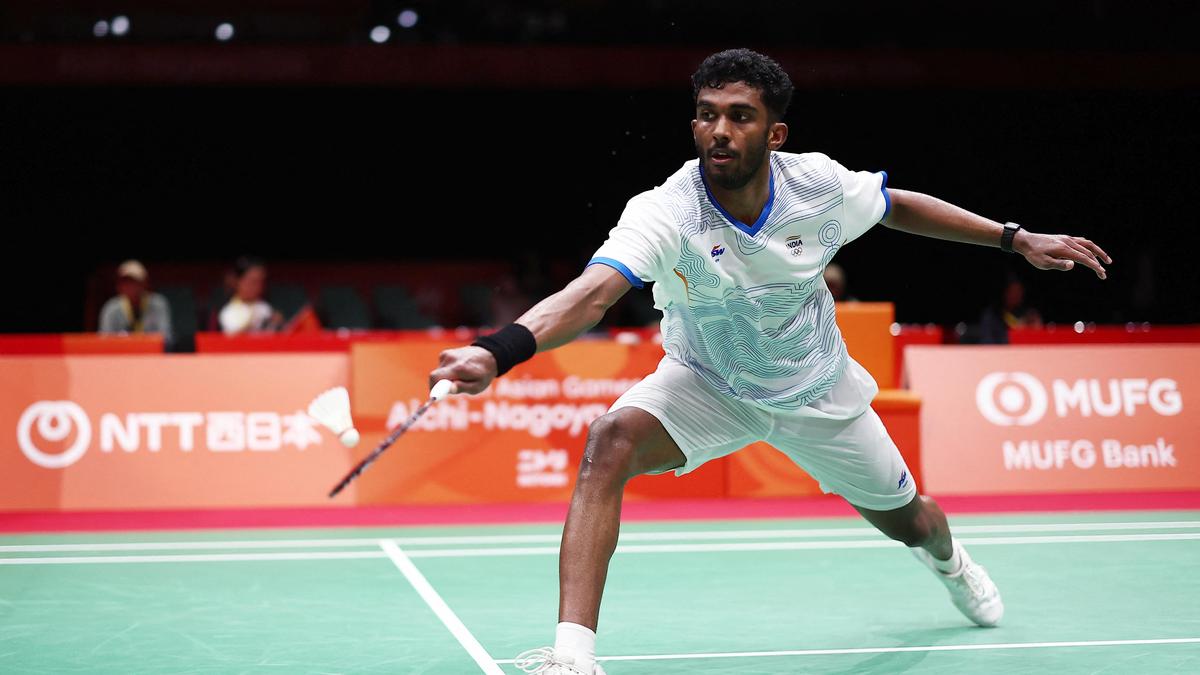
Indian badminton player Ayush Shetty produced a composed comeback to defeat compatriot Kidambi Srikanth in the men’s singles Round of 32 at the French Open 2026 on Wednesday, October 21. Shetty recovered after losing a close opening game to secure a 19-21, 21-16, 21-12 victory in 56 minutes, extending his winning run against the former world No. 1 to three consecutive matches.
The result sends Shetty into the Round of 16, where he is scheduled to face Japan’s Kodai Naraoka. The next match will present a different test: Naraoka is known for his patient defence and ability to prolong rallies, qualities that could challenge Shetty’s attacking instincts and court coverage.
Srikanth Takes a Tight First Game
Shetty began the all-Indian contest with immediate intent, racing to a 5-0 lead and putting Srikanth under pressure from the opening exchanges. The fast start suggested the younger shuttler might control the game, but Srikanth drew on his experience to work his way back into contention.
As the rallies became more competitive, Srikanth found opportunities to change the pace and move Shetty around the court. The first game eventually reached 11-11, setting up a close finish. Srikanth edged ahead at the crucial stage and held his advantage to take the opener 21-19.
For Shetty, the narrow loss was a reminder that an early lead is not enough against a seasoned opponent. Srikanth has spent years competing at the highest level, and his ability to stay composed after falling behind helped him turn the game around. Shetty, however, responded with the kind of adjustment that proved decisive over the remainder of the match.
Shetty Shifts Momentum in the Second Game
Shetty came out strongly in the second game, again building an early advantage. This time, he did more to protect it, maintaining pressure and limiting Srikanth’s chances to dictate the rallies. His improved control allowed him to play with greater freedom, while Srikanth was forced to work harder for points.
The second game was less dramatic than the first, but it was important for the match’s momentum. Shetty levelled the contest at one game apiece with a 21-16 win, showing that he could recover from a setback without allowing the opening-game loss to affect his decision-making.
That response reflected a key quality in modern badminton: the ability to reset quickly between games. Players must adapt not only to an opponent’s tactics but also to the changing rhythm of a long match. Shetty’s more assertive approach helped him take control of the rallies and put the pressure back on Srikanth.
Decisive Finish in the Third Game
The deciding game began as a close contest, with both Indians looking for a breakthrough. Once Shetty created separation, however, he steadily widened the gap. He combined sharper attacking play with enough consistency to prevent Srikanth from building another sustained comeback.
Shetty closed out the third game 21-12, completing a comeback victory after 56 minutes on court. The scoreline underlined how strongly he finished: after losing the first game by just two points, he won the next two with increasing authority.
The win also adds to Shetty’s growing record against Srikanth. Three consecutive victories over an accomplished opponent provide a useful confidence boost, although each new meeting brings its own tactical challenge. For Shetty, the focus will now turn to carrying his improved second- and third-game performance into the next round.
Naraoka Awaits in the French Open Round of 16
Shetty’s next opponent, Kodai Naraoka, advanced after India’s Lakshya Sen gave the Japanese player a walkover earlier in the day. A walkover means a player progresses without completing a match, so Naraoka will enter the Round of 16 without having played a full contest in this round.
Naraoka’s style could make the matchup a demanding one for Shetty. The Japanese shuttler is often difficult to break down, and his defensive discipline can turn a short attacking exchange into a long rally. Shetty may need to balance aggression with patience, choosing his attacking opportunities carefully rather than forcing winners too early.
The encounter will also test Shetty’s physical recovery after a three-game match. With the French Open schedule offering little time for players to dwell on a result, recovery, preparation and tactical adjustments can be just as important as on-court form.
Another Difficult Day for Lakshya Sen
Sen’s withdrawal adds to a challenging period in 2026. The Indian has experienced early exits at the BWF World Championships, the Asian Games and the recently concluded Denmark Open. While a walkover does not provide a measure of his performance against Naraoka, the run of difficult results will make his return to competition an important opportunity to rebuild momentum.
For Indian badminton, Shetty’s progress offers a positive storyline amid a demanding stretch on the international circuit. His win over Srikanth combined resilience with a clear improvement as the match unfolded. The next round against Naraoka will reveal whether he can sustain that form against a player who is likely to test his patience and consistency.
Shetty has already shown he can recover from losing a close game and take control of a match. If he brings the same composure and sharper execution to the Round of 16, he will have a chance to continue his French Open campaign and make another statement on the badminton stage.