
Former Bayern Munich Star Questions Hansi Flick’s Tactical Credentials After Barcelona’s PSG Defeat
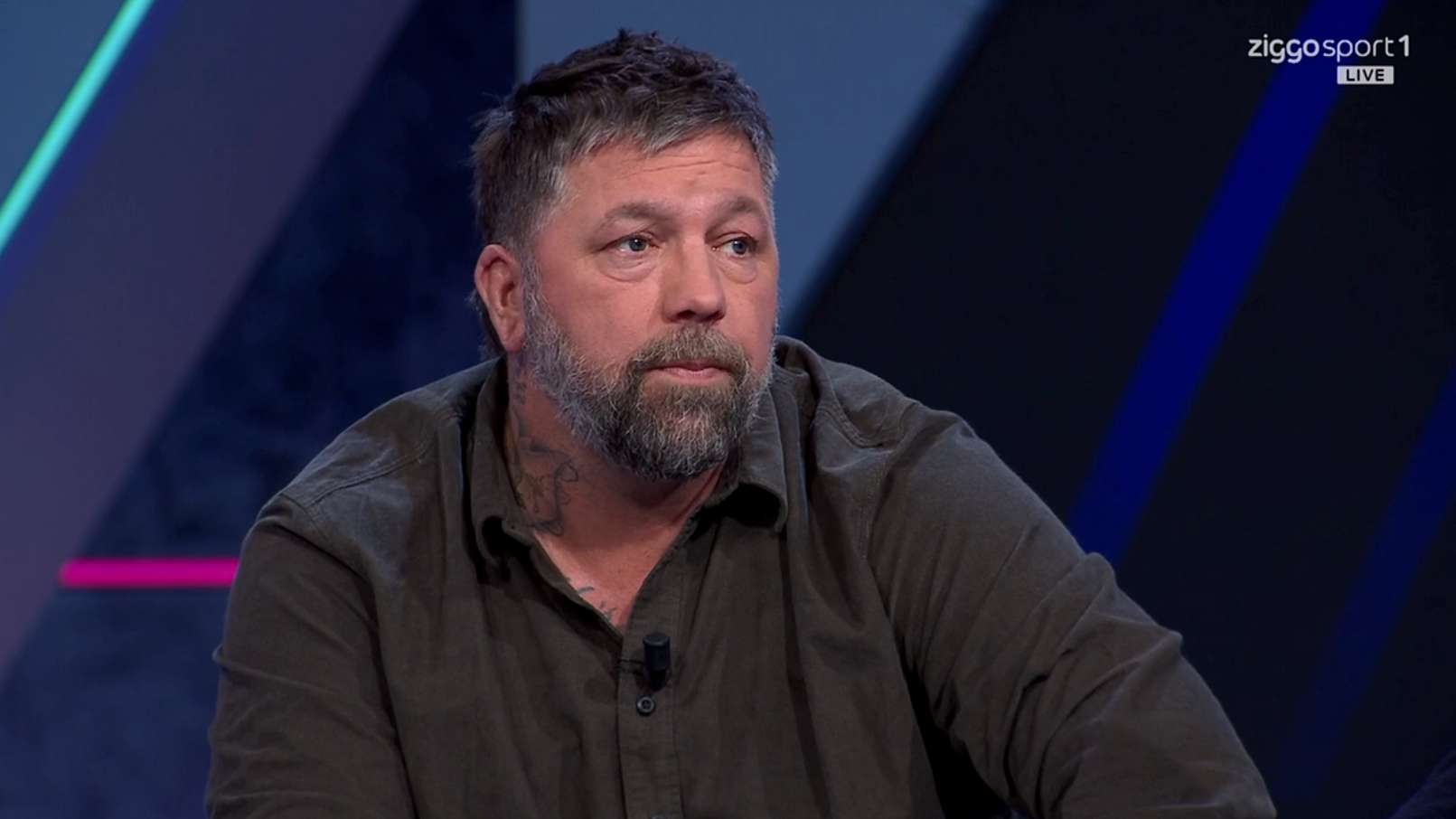
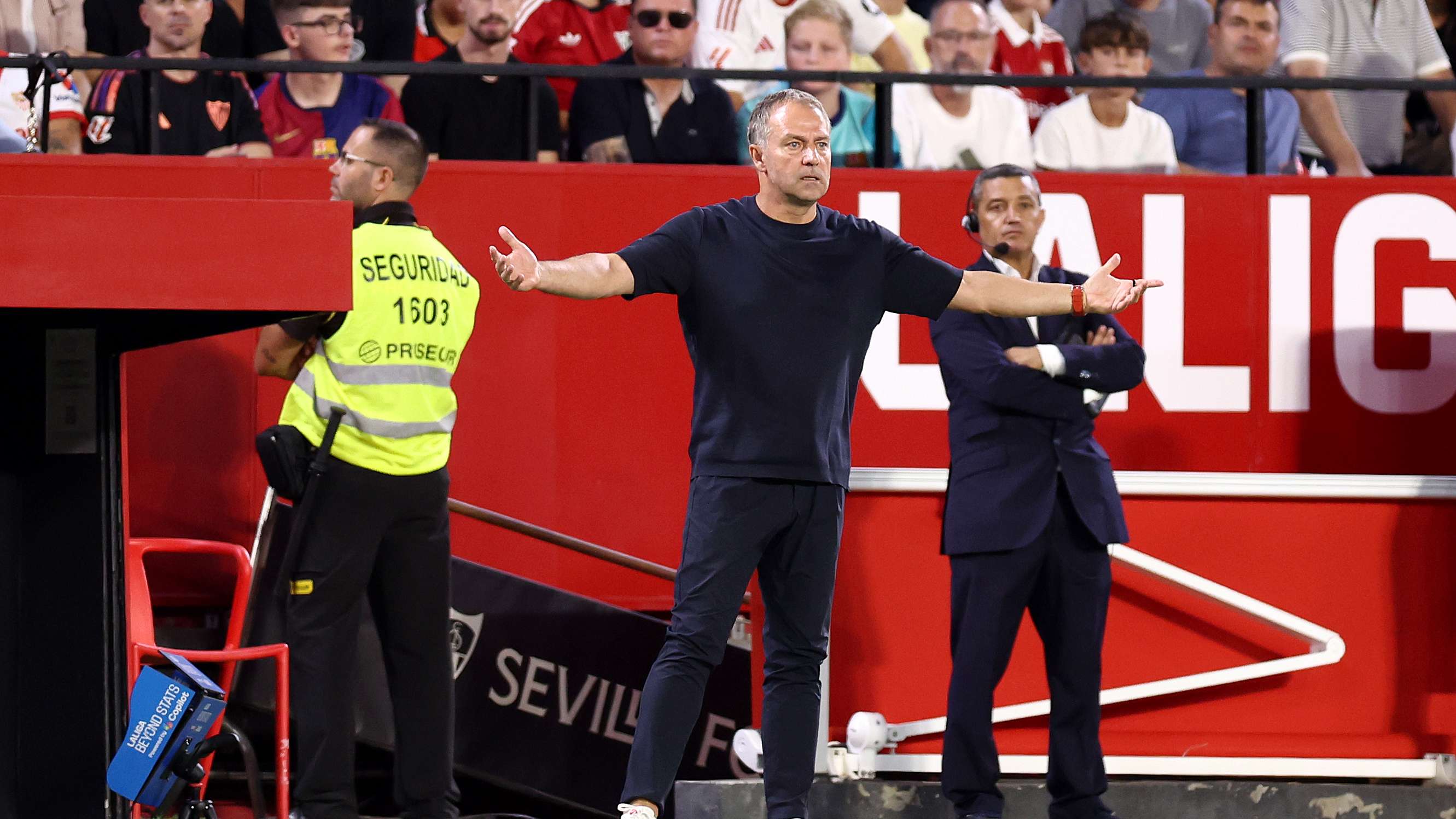
Barcelona’s painful 4-2 defeat to Paris Saint-Germain in the UEFA Champions League has prompted fresh discussion about Hansi Flick’s coaching, with former Bayern Munich teammate Hans Dorfner questioning the German manager’s football expertise while praising his ability to connect with players.
Speaking to Tribuna, Dorfner offered a candid assessment of a coach he has known for decades. The former Bayern player said he and Flick remain on friendly terms, but argued that Flick’s strongest quality is not necessarily tactical knowledge. His comments have added another perspective to the debate surrounding Barcelona’s performance and the leadership of their head coach.
Dorfner praises Flick’s man-management
“Hans Flick isn’t exactly a brilliant football expert either,” Dorfner said. He was careful to frame the remark as an honest opinion rather than a personal attack, noting that he knows Flick well and has a friendly relationship with him. In Dorfner’s view, there are coaches with a deeper understanding of football’s technical and tactical demands.
However, he was considerably more positive about Flick’s work with players. Dorfner described the coach as highly skilled at communicating, building relationships and understanding how to manage a squad. Those qualities, he suggested, are central to Flick’s coaching identity.
That distinction matters in modern football. A manager’s job is not limited to drawing up formations or making tactical adjustments during a match. Coaches must also earn trust, maintain morale and help players respond to pressure. Flick’s supporters have often pointed to his ability to create a strong team atmosphere, while critics may focus more closely on his tactical decisions when results disappoint.
Barcelona’s loss to PSG has naturally intensified scrutiny. A Champions League defeat can turn attention towards a coach’s selection, substitutions and match plan, especially when a team concedes four goals. Still, one result alone cannot fully define a manager’s work. The wider assessment depends on performances over time, the quality of the squad and how effectively the team responds in subsequent matches.
A shared history at Bayern Munich
Dorfner’s comments carry added context because he and Flick were teammates at Bayern Munich between 1986 and 1990. Their time together coincided with a successful period for the club. Bayern won the Bundesliga title in the 1988/89 and 1989/90 seasons, as well as the German Super Cup in 1987.
The pair also experienced the disappointment of reaching the 1987 European Cup final, where Bayern lost to Porto. That combination of domestic success and European heartbreak gave them a close view of the demands placed on elite players and the importance of leadership within a dressing room.
Dorfner’s assessment is therefore not simply an outside critique of Flick’s career. It comes from someone who shared a team environment with him, although the experience of playing together decades ago does not necessarily provide a complete picture of Flick’s development as a coach. Football has changed significantly since then, and modern management involves detailed preparation, data analysis and tactical systems that were far less prominent in the same form during their playing days.
Michael Olise earns praise for his football but faces criticism over public image
Dorfner also discussed Bayern winger Michael Olise, giving the Frenchman a mixed verdict. He identified Olise as the player who had surprised him most this season, suggesting that the winger’s performances have made a strong impression. On the pitch, Dorfner’s assessment was emphatically positive: he described Olise’s football as wonderful.
His reservations concerned Olise’s public image rather than his ability. Dorfner said he disliked the way the winger presents himself and behaves in public, arguing that high-profile players should consider the example they set for younger supporters.
“He is a public figure, and children are watching him,” Dorfner said, adding that he would like to see Olise act as a role model. He also criticised the player for wearing a cap and not giving interviews, interpreting that approach as a missed opportunity to engage with the public.
The comments raise a familiar question in professional sport: how much responsibility should athletes have beyond their performances? Players are increasingly visible through television, social media and online coverage, making their public conduct part of the conversation around their careers. Some supporters expect stars to be accessible and communicative, while others believe a player’s primary responsibility is to perform for the team and that personal style should remain their own choice.
Olise’s case also highlights the difference between sporting impact and public perception. A footballer can be reserved away from the pitch yet influential during a match. Dorfner himself made that distinction, stressing that what matters most is what Olise produces across the ninety minutes. His criticism of the winger’s presentation did not diminish his admiration for the player’s on-field contribution.
Football performance remains the central measure
For Bayern supporters, the most significant takeaway is that Dorfner sees Olise as a major talent whose performances have exceeded expectations, even if he would prefer the winger to communicate differently in public. That balance of praise and criticism reflects the pressures placed on modern footballers, who are judged not only by goals, assists and match-winning moments but also by their conduct outside the stadium.
Meanwhile, Dorfner’s remarks about Flick add another voice to the discussion following Barcelona’s Champions League defeat. He questioned the coach’s standing as a football expert but recognised his ability to handle people—an attribute that can be crucial in a demanding dressing room. Whether Flick can answer the criticism will ultimately be judged through Barcelona’s performances, results and progress in the competition.
In elite football, tactical ideas and man-management are closely connected. A clear game plan can only succeed if players understand it and trust the coach, while strong relationships cannot by themselves guarantee results against top opposition. Dorfner’s comments underline that tension: he doubts Flick’s technical reputation, yet acknowledges the interpersonal skills that have helped define his coaching career.