
Gasperini Furious After Malen’s Controversial Red Card in Roma’s Goalless Draw
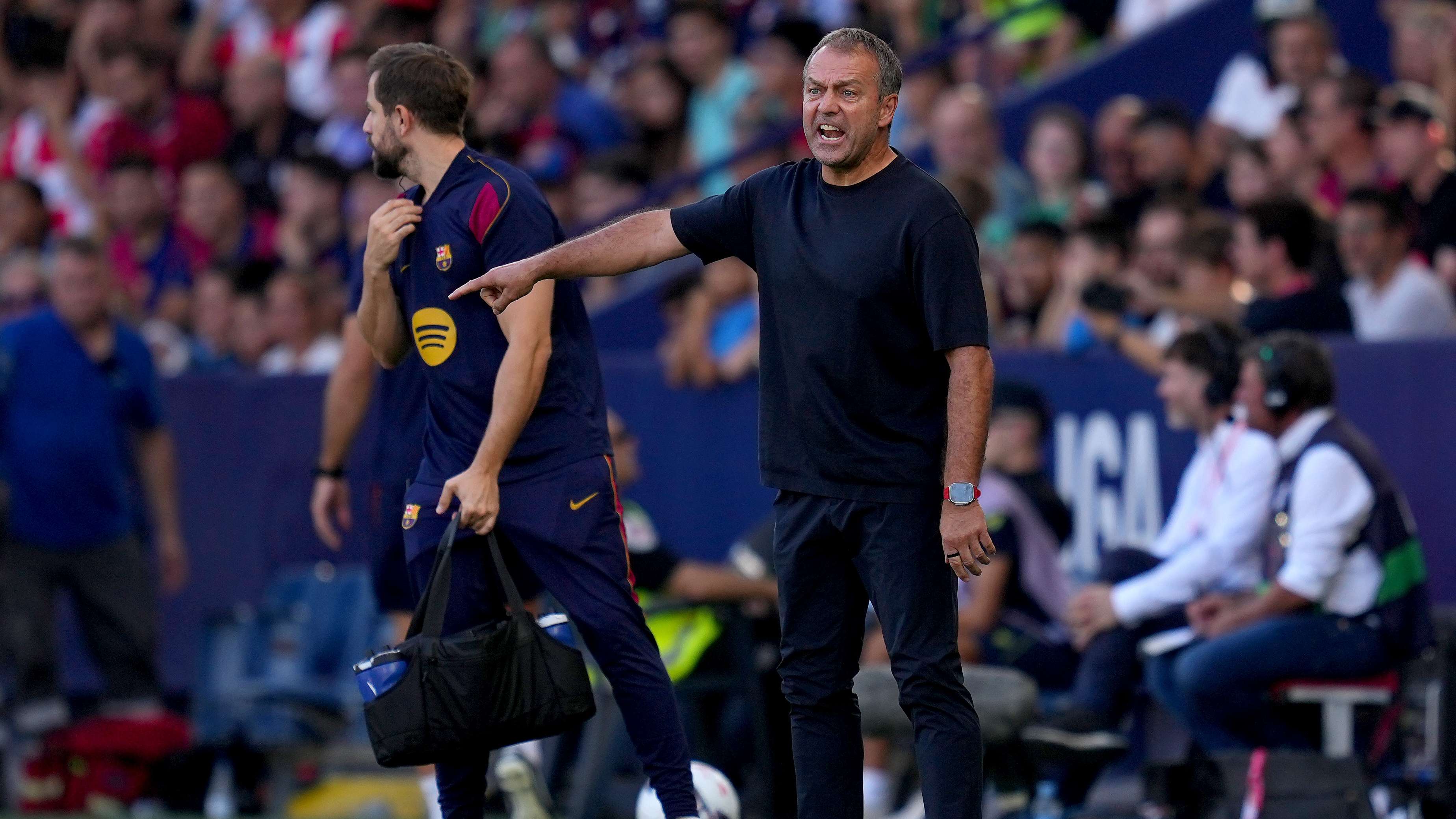
Roma head coach Gian Piero Gasperini was left fuming after Donyell Malen was sent off during a tense 0-0 draw against Como, insisting that television replays can give officials a misleading impression of incidents. The dismissal became the defining moment of a match that had offered little in the way of goals but plenty of post-match debate.
Gasperini’s frustration was not limited to the decision itself. He also questioned the growing influence of slow-motion footage and freeze-frames in modern football, arguing that isolating a single instant can strip an incident of the movement and context that shape it in real time. In his view, that approach risks turning close calls into controversies—and can damage the spectacle of high-level competition.
A red card that changed the mood of the match
Roma and Como shared the points after a scoreless contest, but the result was quickly overshadowed by Malen’s dismissal. Before the red card, the game had been closely contested, with both sides trying to find a way through disciplined opposition. Once Roma were reduced to ten players, the challenge became more complicated: the visitors had to balance their defensive shape with the need to remain a threat going forward.
For Como, the numerical advantage created an opportunity to apply greater pressure, while Roma were forced to concentrate on staying organised and protecting the draw. Neither team managed to break the deadlock, leaving the final score at 0-0. Yet the result alone does not capture the main talking point. The sending-off influenced the match’s rhythm and gave both teams a different tactical problem to solve.
That is why decisions of this kind carry such weight. A red card can affect more than the immediate contest; it may also shape a team’s workload, selection choices and approach to upcoming fixtures. Roma will therefore be keen to understand the reasoning behind the call, while Gasperini’s public reaction has ensured that the incident will remain under scrutiny.
Gasperini questions the use of television replays
Gasperini’s strongest criticism centred on how incidents are reviewed and presented. He argued that freeze-frames can make a moment look more definitive than it was, because they capture a single position while removing the speed, momentum and sequence of actions surrounding it. A still image may appear clear, he suggested, even when the full incident is more complicated.
Slow-motion footage can be useful when officials need to examine contact or establish what happened. However, replay technology can also change how viewers interpret a challenge. When an action is slowed down, ordinary movement may appear unusually forceful, and the natural flow of play disappears. A frame-by-frame view can reveal detail, but it cannot always explain intent, balance or the split-second decisions players make at full speed.
Gasperini’s comments tap into a wider debate across football about the best way to use video review. Supporters of technology argue that it helps correct clear mistakes and improves fairness. Critics counter that repeated reviews can interrupt matches, encourage arguments over marginal contact and create expectations that every decision must be judged from multiple angles. The challenge for officials is to use available evidence without allowing the search for certainty to overwhelm the game.
Why context matters in football decisions
Most contentious incidents are not simply about whether contact occurred. Referees may also need to consider the force involved, the players’ movement, the location of the challenge and the likely impact on an opponent. Those details can be difficult to assess when an incident is reduced to one frozen image, especially if the camera angle is limited or the footage is viewed without the moments immediately before and after the contact.
That does not mean replays should be dismissed. Video can provide valuable information, particularly when the referee has missed a significant event. But Gasperini’s reaction highlights an important distinction: technology can show what happened from a particular perspective, while interpretation still requires judgement. The more complex the incident, the more important it becomes to consider the complete sequence rather than relying on an isolated frame.
The discussion also reflects the pressure placed on match officials. Every major decision is now replayed, slowed down and debated by fans, pundits and clubs. That level of scrutiny can make close calls appear straightforward after the event, even though the referee must make a decision in real time. Clear communication about the review process may help audiences understand why a particular call was made, though it will not eliminate disagreement.
Roma’s tactical response and the value of the point
Once Malen was dismissed, Roma’s priorities inevitably shifted. With one fewer player, maintaining compact distances between the defensive and midfield lines became essential. The side also had to choose its moments carefully when attempting to move forward, since committing too many players could leave space for Como to exploit.
Holding on for a draw may offer some consolation, particularly given the difficulty of playing a significant portion of a match with ten men. Still, Roma will likely feel that the circumstances prevented the contest from developing as planned. The team’s immediate focus will be on recovering, reviewing the performance and preparing for its next challenge, while the coaching staff assesses any consequences of the dismissal.
For Como, the draw may also prompt mixed feelings. A numerical advantage usually raises expectations, but breaking down a determined opponent is not automatic. Roma’s defensive discipline helped keep the score level, while Como were unable to turn their extra player into the decisive goal.
What the controversy means for upcoming fixtures
The incident is likely to influence discussion around officiating well beyond this match. Coaches want consistency, players want clarity and supporters want decisions that feel fair without constant interruptions. Finding that balance remains one of football’s most difficult challenges, particularly when technology is available but the interpretation of an incident remains subjective.
For Roma, the main concern is the sporting impact of Malen’s red card and how the squad responds. Gasperini’s comments, meanwhile, underline his belief that football should be judged in its natural rhythm, not solely through isolated images. Whether or not observers agree with his criticism, the debate raises a relevant question: does more replay always lead to a better decision, or can it sometimes distort the moment it is meant to clarify?
As fans look ahead to Roma’s next match, prediction discussions will inevitably consider the team’s form, squad availability and ability to adapt after a frustrating night in Como. The 0-0 scoreline suggests a tightly balanced contest, but the lasting story is the red card—and the renewed argument over how technology should shape decisions in modern football.