
Former Real Madrid Player Rodrigo Fabri Shares Insightful Advice on Endrick’s Future and the Challenges of Football at the Highest Level
In the world of football, stories of unfulfilled potential and career crossroads are as common as the goals scored on the pitch. One such narrative involves Rodrigo Fabri, a seasoned Brazilian footballer whose brief stint at Real Madrid in the late 1990s offers a compelling perspective on the challenges young talents face when stepping into the grandeur of European football. Now, at 50 years old, Fabri has shared invaluable advice for Endrick, the promising Brazilian phenom currently navigating his early days at the Santiago Bernabeu.
Rodrigo Fabri’s Journey: From Brazil to Madrid and Beyond
Rodrigo Fabri’s professional journey is a testament to the unpredictable nature of football careers. Signed by Real Madrid in 1998 on a five-year contract, Fabri arrived with high hopes and a burning desire to leave his mark in one of football’s most illustrious clubs. However, despite his enthusiasm, his time at Los Blancos was marred by limited opportunities. He made a handful of appearances in friendly matches but never managed to break into the official first team for a competitive match.
During his tenure, Fabri was loaned out five times, seeking playing time and development at various clubs. His loans included stints at Deportivo La Coruña, Valladolid, and other teams, yet he struggled to find consistent form or secure a permanent spot in top-tier teams. His professional career also included a spell at Atletico Madrid, where he left no significant mark, further illustrating the volatile and competitive nature of football at the elite level.
Reflecting on a Challenging Chapter: Lessons From the Past
In an interview with the Spanish sports newspaper “AS”, Fabri candidly discussed his experiences and the lessons learned from his time in Spain. His words echo a common theme among players who venture into the demanding environment of La Liga and Real Madrid in particular. He recounted arriving in Spain filled with hope, drawn by the club’s rich heritage and prestige. Despite interest from other prominent clubs like AS Roma and Deportivo La Coruña, he chose Madrid, believing it was the pinnacle of football achievement.
“In the long term, it became clear that my choice was wrong,” Fabri admitted. “I think I would have played regularly and proven myself in Italy or Galicia, but my path was different.” His candid reflection underscores the importance of realistic expectations and understanding the competitive nature of top European clubs.
The Reality of Playing for Real Madrid: Competition and Confidence
Fabri highlighted the intense competition for places at Real Madrid, where legends and world-class talents are the norm. Despite working under renowned coaches such as Jupp Heynckes, Carlos Camacho, Guus Hiddink, John Toshack, and Vicente del Bosque, he felt a lack of confidence from the coaching staff. “I believed I deserved a chance, but none of these coaches gave me full confidence,” he explained. This, he says, was a source of frustration and disappointment.
His story emphasizes a critical aspect of football prediction and talent development: even talented players can struggle to find their place amidst the fierce competition at clubs like Madrid. A player’s mental resilience, timing, and sometimes even luck play vital roles in shaping their career trajectory.
Adapting and Moving Forward: The Importance of Playing Time
Fabri’s decision to move to Valladolid in the summer of 1999 was driven by a desire for regular playing time. His performances there were impressive—scoring goals and providing assists—yet, ironically, Real Madrid loaned him out again, instead of integrating him into their squad. He expressed disappointment at the situation, especially considering that Madrid signed Solari from Atletico Madrid, who had a poor season, instead of giving Fabri a chance to prove himself.
This experience underscores a vital prediction for young players: consistency and opportunity are essential for growth. For clubs, nurturing young talent requires patience and strategic planning. For players, perseverance and seizing every chance are crucial elements of career development.
Advice for Endrick: Navigating the Path to Success
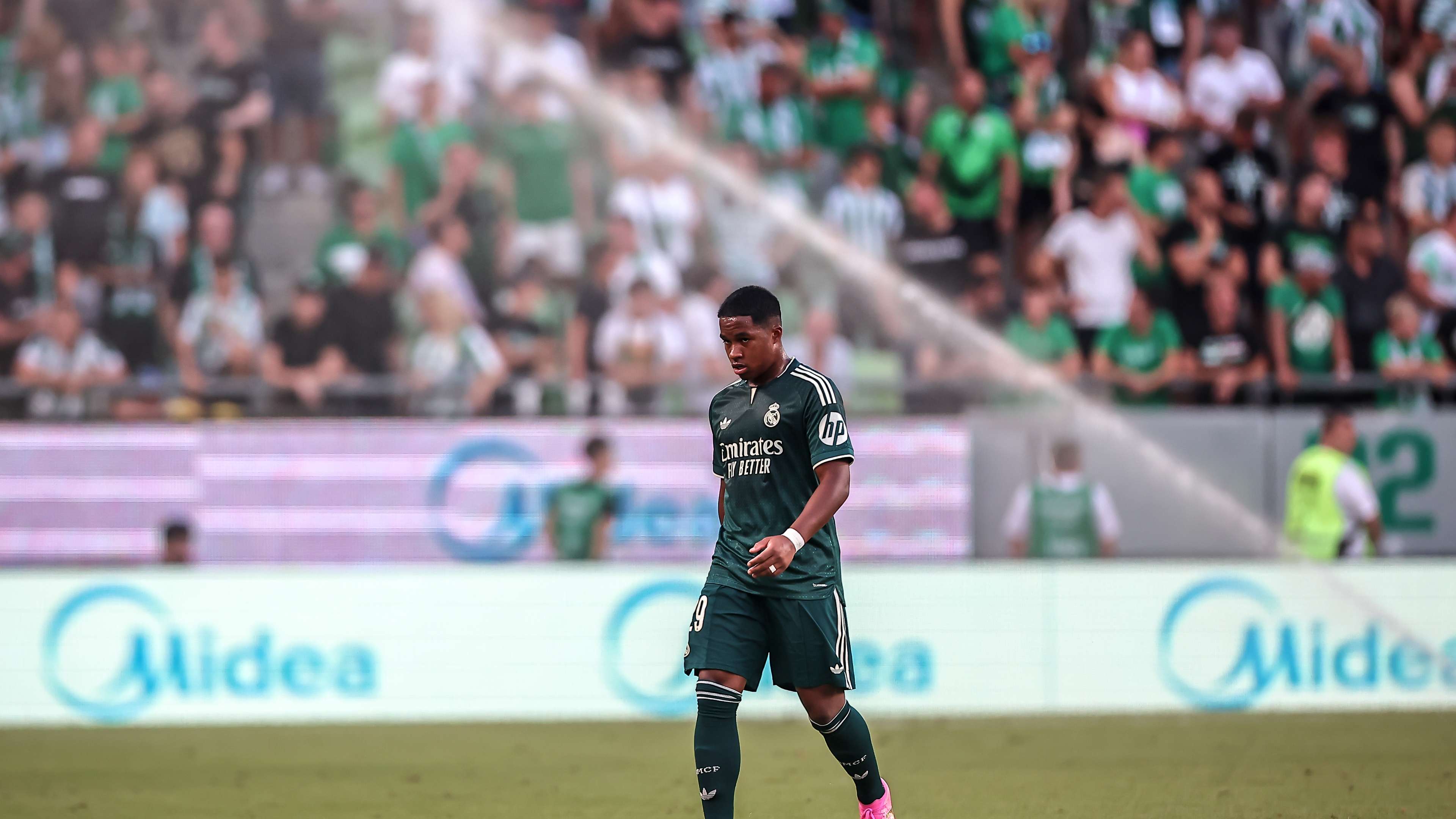
Drawing from his own tumultuous journey, Fabri offers a heartfelt message to Endrick, the young Brazilian prodigy currently facing limited first-team opportunities at Madrid. He observes that Endrick, despite his immense talent and being considered a key player for Brazil’s national team rebuilding, is not getting enough game time. Fabri’s advice is pragmatic yet encouraging: “If a young player does not get many chances, the best move is to transfer to a club where they can play regularly and develop their skills.”
This perspective resonates strongly within the context of football prediction and talent management. Young players must weigh the benefits of staying at a big club versus seeking regular minutes elsewhere, which can be pivotal for their growth and future prospects.
The Fan Perspective: The Controversy Around Vinicius Jr.
Fabri also addressed recent controversies involving Vinicius Jr., one of Madrid’s standout forwards. The player has faced boos and negative chants from sections of the Santiago Bernabeu crowd, a phenomenon not uncommon in football prediction circles where fan reactions can be unpredictable. Fabri remarked, “This is not normal, even though we all know Real Madrid’s high expectations. Vinicius is a great player, though I wouldn’t classify him as a superstar yet. Still, he remains one of Brazil’s finest forwards.”
This commentary highlights the complex relationship between player performance, fan expectations, and the pressure of playing at a club like Madrid. It also emphasizes that patience and understanding are essential, especially for young talents trying to establish themselves in one of Europe’s most demanding environments.
Conclusion: Lessons for Aspiring Footballers and Clubs
Rodrigo Fabri’s candid reflections serve as a valuable guide for aspiring football prediction enthusiasts, young players, and clubs alike. His journey underscores that talent alone is not enough; mental resilience, opportunity, and strategic decisions shape a footballer’s career. For Endrick, and many like him, the key message is clear: seek playing time, develop your craft, and be prepared for the unpredictable nature of football.
As football continues to evolve, stories like Fabri’s remind us of the importance of patience, adaptability, and the relentless pursuit of excellence. Whether you’re a fan analyzing football prediction models or a young player dreaming of glory, understanding the realities behind the scenes offers a richer appreciation of the beautiful game.
Stay tuned for more insights, updates, and expert analyses on football prediction, player development, and the latest news from the world of football.