
Inside the Turmoil: The Troubled Relationship Between Mads Pedersen and Sandro Wagner at FC Augsburg
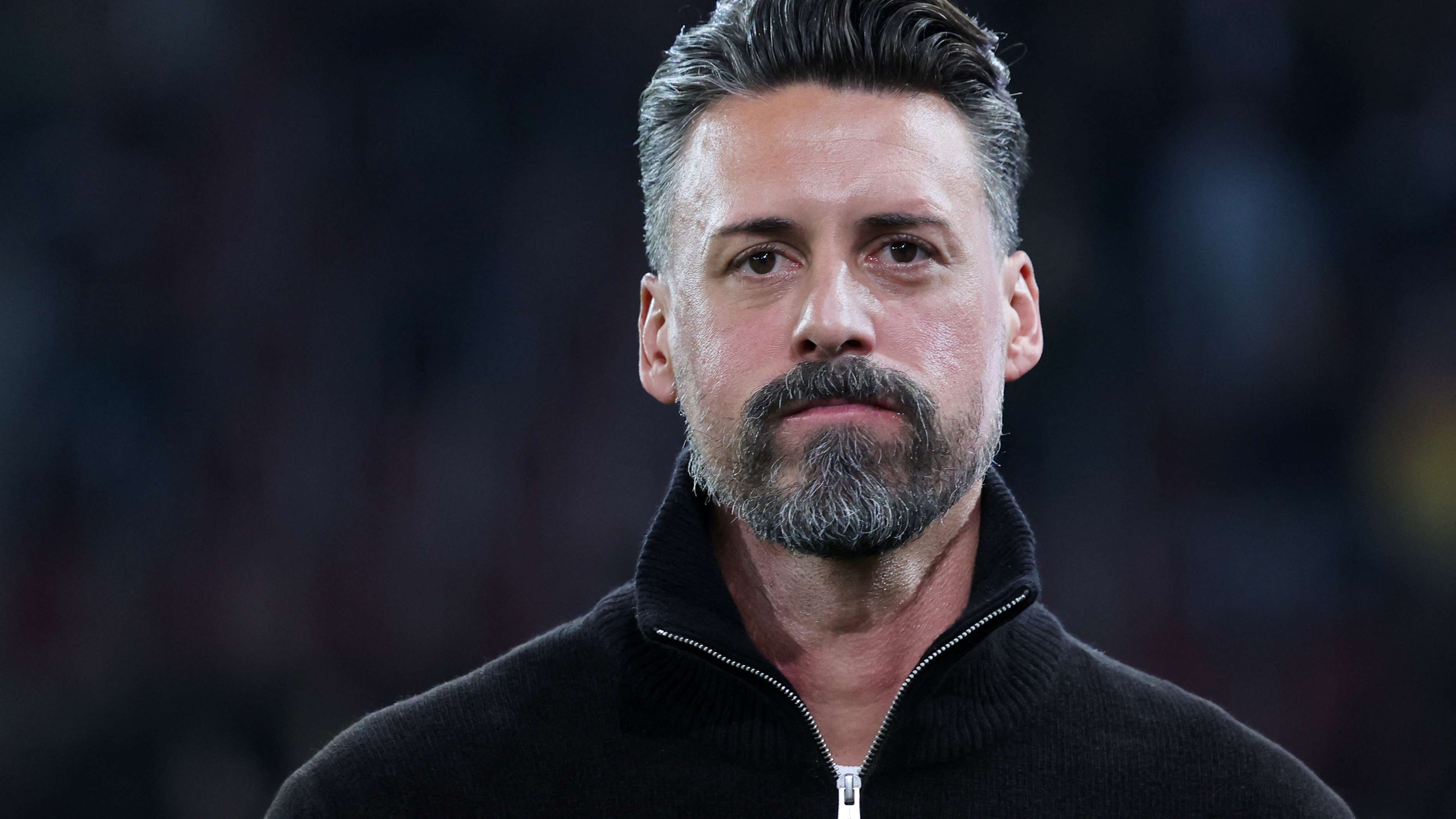
The world of professional football is renowned for its intense competition, high-pressure environments, and often, complex interpersonal dynamics. A recent revelation from Danish footballer Mads Pedersen sheds light on the behind-the-scenes conflicts that can influence team cohesion and performance. Pedersen’s candid account details his tumultuous six-month stint at FC Augsburg under coach Sandro Wagner, highlighting the challenges faced both on and off the pitch.
Unraveling the Tensions: A Closer Look at Pedersen’s Experience
Mads Pedersen, currently playing for Hertha BSC, opened up in an exclusive interview with the Danish outlet Bold, describing a strained relationship with former coach Sandro Wagner. His narrative paints a picture of growing discord that ultimately impacted squad harmony and team morale during his tenure at Augsburg.
According to Pedersen, his difficulties with Wagner began early in their collaboration. “The relationship between me and Sandro Wagner deteriorated from week to week,” he explained. This tension was exemplified during a critical Bundesliga match when Wagner chose to substitute another left-back without including Pedersen, despite the player’s evident readiness and consistent training efforts. Pedersen recounted, “During one match he took off a left-back but did not bring me on, and there was discord within the team.” Such decisions not only affected team dynamics but also raised questions about coaching strategies and player utilization.
The Disappearance from the Squad and Legal Intervention
The conflict escalated when Wagner dropped Pedersen from the squad altogether, despite the team’s clear need for a reliable left-back. Pedersen recalled that multiple teammates approached Wagner, questioning his decision and advocating for his inclusion, but to no avail. “He did not want to hear any of it,” Pedersen stated, emphasizing his commitment and professionalism, evidenced by his training performance and friendly match assists.
The friction extended beyond tactical disagreements. Pedersen alleges that Wagner accused him of passing internal team information to the media—a serious allegation in professional sports. “It really escalated, and suddenly he considered me a rat, as he so nicely put it,” Pedersen revealed. The coach allegedly referred to “rats” in the dressing room during meetings, implying that Pedersen and another player were leaking confidential information. This unfounded accusation further deepened the divide, creating a toxic environment that compromised the dressing room’s unity.
From Conflict to Resolution: Legal Steps and Club Intervention
The escalating tensions reached a boiling point, prompting Pedersen to seek legal counsel to resolve his situation. His efforts culminated in an agreement that allowed him to return to training, but the process was arduous. “A few weeks went by in which lawyers and so on were involved,” he explained. Eventually, the club intervened, requiring Wagner to apologize for his conduct and acknowledging the need to restore harmony within the squad.
The intervention proved effective, and Wagner was dismissed from his role as Augsburg’s head coach after losing control of the dressing room. Pedersen’s perseverance and legal action played a crucial role in this outcome, highlighting the importance of player rights and professionalism in top-tier football clubs.
Career Trajectories Post-Conflict: Where Are Pedersen and Wagner Now?
Following these turbulent events, both players have charted new paths in their football careers. Pedersen, after a challenging period marked by limited playing time and injury setbacks at Augsburg, transferred to Hertha BSC, a prominent team in Germany’s second division. His move reflects his resilience and desire to rebuild his career amidst challenging circumstances.
Meanwhile, Sandro Wagner took a nine-month hiatus from coaching but recently returned to the Bundesliga scene as the head coach of Hannover 96. His appointment has sparked discussion among football enthusiasts and pundits, especially considering his controversial tenure at Augsburg. Wagner’s coaching style and leadership approach will undoubtedly be scrutinized as he seeks to steer Hannover 96 towards stability and success.
Implications for Football Prediction and Club Management
The saga involving Pedersen and Wagner underscores the unpredictable nature of football management and the importance of leadership qualities that foster team unity. For fans and bettors interested in football prediction, understanding these internal dynamics is crucial. A coach’s ability to maintain harmony can significantly influence match outcomes, especially in high-stakes fixtures such as Bundesliga encounters or cup competitions.
For instance, the recent Bundesliga match between Augsburg and Bayern Munich, scheduled for October 10th at 21:30, is expected to be a fiercely contested game. Augsburg, having experienced internal turmoil earlier in the season, faces a formidable Bayern side with a strong record in recent seasons. Football prediction enthusiasts will analyze team form, injury reports, and managerial stability to forecast the likely outcome. The internal issues at Augsburg may impact their performance, making Bayern favorites, but football prediction always involves uncertainties, particularly when team chemistry is in flux.
The Broader Lessons for Football Clubs and Fans
This episode serves as a reminder of the critical importance of effective communication, strong leadership, and professional conduct within football clubs. Coaches and management must prioritize creating an environment where players feel valued and heard. Disputes like those between Pedersen and Wagner can have far-reaching consequences, affecting not only individual careers but also the club’s overall performance and reputation.
Fans and analysts should keep a close eye on team dynamics and managerial changes, as these elements often influence the outcome of matches and the accuracy of football prediction models. The ability to read between the lines and understand internal team issues can provide a competitive edge when making predictions or betting on football matches.
Conclusion: A Cautionary Tale and a Path Forward
The story of Mads Pedersen and Sandro Wagner at FC Augsburg highlights the complex human side of football—where talent alone isn’t enough, and leadership, communication, and professionalism play pivotal roles. As both players continue their careers—Pedersen at Hertha BSC and Wagner at Hannover 96—the lessons learned from their turbulent period remain relevant for clubs worldwide.
For football fans, bettors, and analysts, understanding these internal dynamics offers a richer perspective on match prediction and team performance. The ongoing evolution of these players and coaches will undoubtedly influence their respective teams’ fortunes in the seasons to come, making football prediction an ever-engaging and nuanced endeavor.