
Helder Cristovao Questions the Timing of Cristiano Ronaldo’s International Retirement
Former Al-Nassr manager Helder Cristovao has questioned when Cristiano Ronaldo chose to end his international football career, arguing that Portugal’s captain should have waited until after the 2026 FIFA World Cup. While praising Ronaldo’s extraordinary contribution to his country, the Portuguese coach also suggested that the national football federation could have handled the timing of the announcement more carefully.
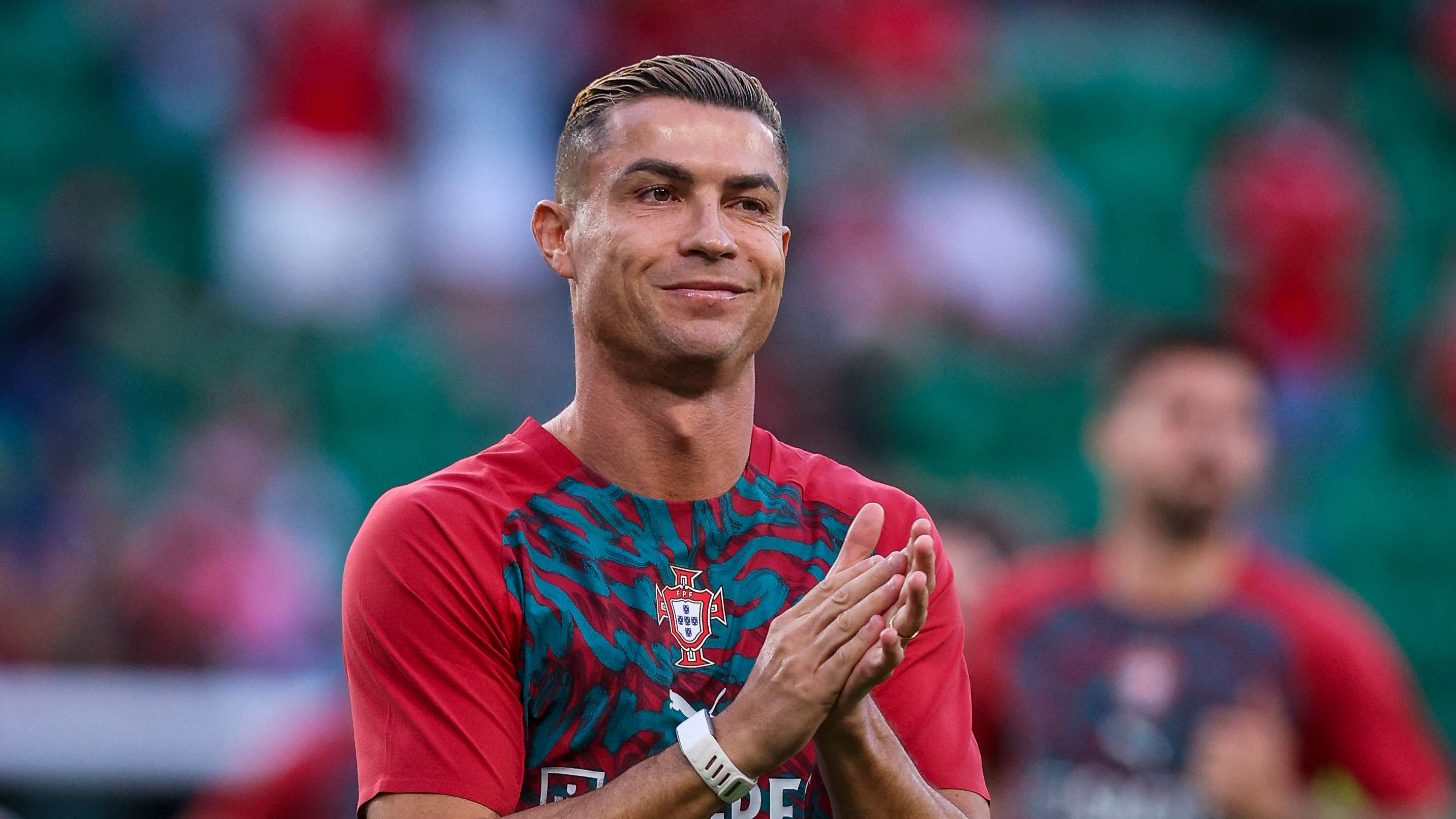
Ronaldo’s retirement announcement brings an end to a remarkable 23-year journey with Portugal. During that time, he became the nation’s most recognisable football figure, captained the team for many years and helped deliver major international trophies. His decision has prompted discussion not only about the legacy he leaves behind, but also about how Portugal will prepare for a future without its most celebrated player.
Cristovao Says Ronaldo Could Have Waited Until After the World Cup
Speaking to Saudi newspaper Arriyadiyah, Cristovao said he believed the ideal moment for Ronaldo to step away from international duty would have been after the 2026 World Cup. In his view, the tournament could have offered a natural final chapter to the forward’s Portugal career and given supporters a clear opportunity to celebrate his contribution on football’s biggest stage.
Cristovao’s comments were not a dismissal of Ronaldo’s decision to retire. Rather, they focused on its timing and on the role of the Portuguese Football Federation. He argued that the federation should have helped organise the transition, recognising the significance of Ronaldo’s international career while also considering the team’s longer-term plans.
That question is likely to interest Portugal fans as the team looks ahead. A retirement announcement can create a sudden change in the national squad, particularly when the departing player has been central to its identity for more than two decades. Planning for a new leadership group and a different attacking structure will be an important part of Portugal’s next phase.
A Career Defined by Trophies, Longevity and Leadership
Ronaldo’s international achievements include Portugal’s victory at UEFA Euro 2016, the country’s first major senior men’s title. He also helped Portugal win the UEFA Nations League in 2019 and again in 2025. Those successes gave his national-team career a legacy that extends beyond individual records and goal-scoring milestones.
For Cristovao, Ronaldo’s greatest qualities were not limited to what he produced during matches. He highlighted the forward’s professionalism and mentality, describing them as central to his ability to remain among the leading players in world football for so long. Maintaining elite standards across such an extended career requires discipline, preparation and a willingness to keep adapting as the game changes.
Ronaldo’s long tenure as captain also shaped the Portugal side around him. He was both a prominent performer and a reference point for teammates, carrying expectations from supporters whenever he represented the national team. That influence helped make his presence part of Portugal’s football identity, which is why his departure is likely to be felt well beyond the team sheet.
Why Ronaldo’s Retirement Creates a Major Transition for Portugal
International retirement does not erase a player’s influence overnight. Portugal must now consider how to distribute the responsibilities Ronaldo carried, from leadership and public attention to his role in the attack. The team has younger players capable of becoming important figures, but replacing one individual’s contribution is different from simply selecting another forward.
Coaches will also need to assess how Portugal’s tactics may evolve. For years, opponents have had to account for Ronaldo’s movement, finishing and experience in the penalty area. Without him, the team may develop a more collective approach, giving different players greater freedom to lead attacks. That could create new opportunities, although it will take time for the team to settle into a revised balance.
Any prediction about Portugal’s prospects after Ronaldo should therefore be treated with caution. The squad has talent and a strong football tradition, but transition periods can bring both promise and uncertainty. The way the coaching staff manages selection, leadership and expectations may prove just as important as the quality of the next generation.
“Cristiano Ronaldo Will Not Be Repeated”
Despite his criticism of the timing, Cristovao was emphatic in his praise. He said Ronaldo had changed the game and suggested that few players would come close to matching his level for many years. He also acknowledged that football has moved forward after the retirement of other great stars and that a new generation is always ready to emerge.
His conclusion captured the distinction between replacing a position and reproducing a career. Portugal will continue to play, and new players will build their own achievements, but Cristovao does not expect another footballer to follow precisely the same path. His assessment reflects the unusual combination of longevity, international success and personal influence that has defined Ronaldo’s time with the national team.
A Historic Chapter Closes, but Portugal’s Story Continues
Ronaldo’s international retirement closes one of the most consequential chapters in Portuguese football. The debate over whether he should have waited for the 2026 World Cup is likely to continue, especially among supporters who hoped to see him represent Portugal at one more major tournament. Yet the central fact remains: his career has already delivered moments and achievements that will remain part of the country’s sporting history.
For Portugal, the challenge now is to honour that legacy without becoming dependent on it. The next generation will face its own tests, while fans and analysts watch to see who emerges as the team’s new leaders. Ronaldo may be impossible to replicate, as Cristovao believes, but Portugal’s future will be shaped by how successfully it turns the end of his international career into the beginning of a new era.