
Nottingham Forest Manager Vitor Pereira Demands Clarity on Handball Rule
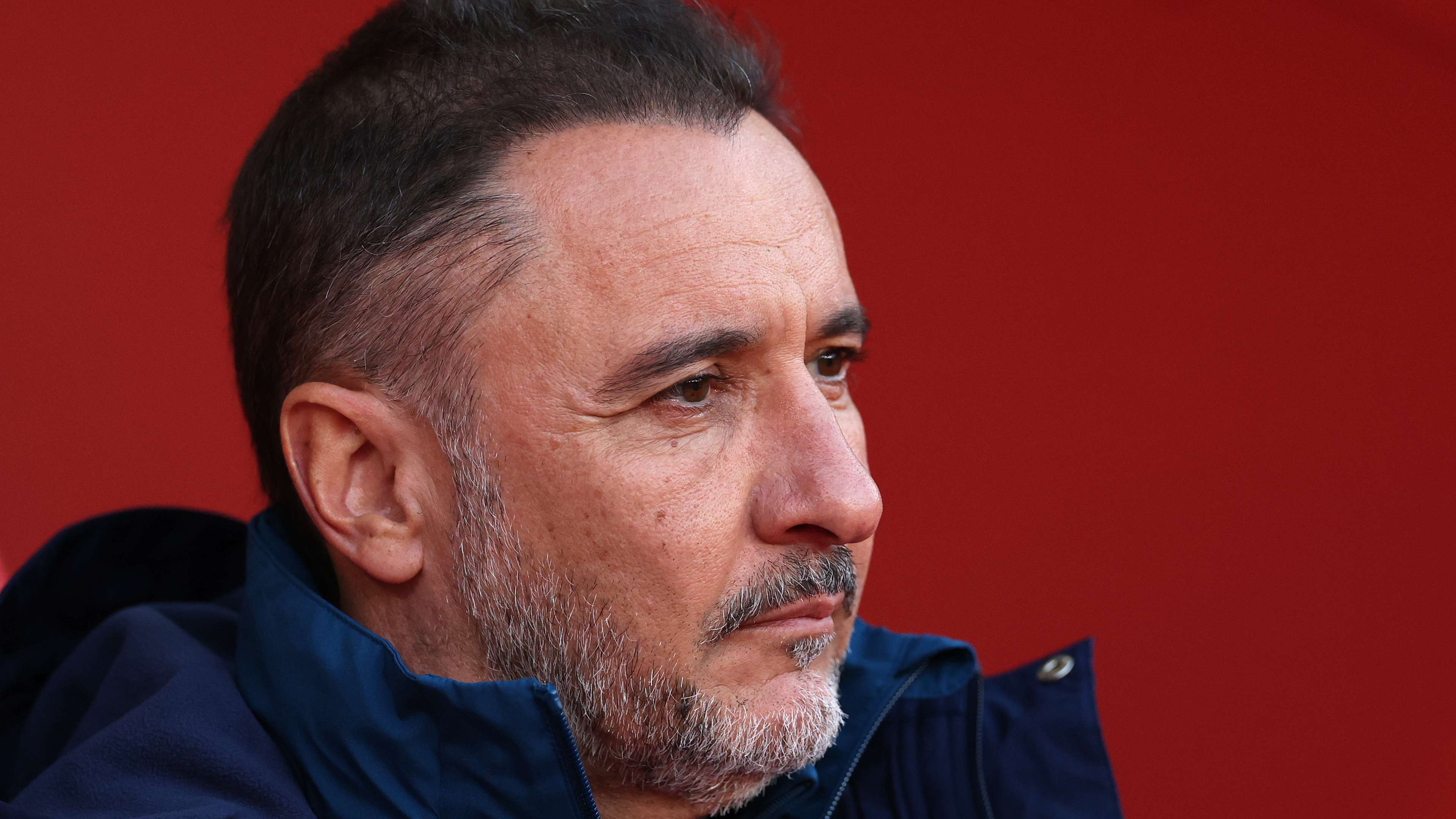
After a contentious match at Old Trafford, Nottingham Forest manager Vitor Pereira is pushing for a crucial meeting with the Professional Game Match Officials Limited (PGMOL) to address concerns surrounding the handball rule. The Portuguese coach was left infuriated following his team’s 3-2 defeat to Manchester United, with a key moment in the game sparking controversy.
Controversial Goal Sparks Outrage
The pivotal moment in question occurred when Matheus Cunha netted Manchester United’s second goal, further solidifying their lead against Forest. However, the goal was marred by suspicions of a handball by Bryan Mbeumo in the lead-up to the play. Pereira, along with his team and fans, were adamant that the goal should have been disallowed due to the apparent handball, which they believe played a significant role in the outcome of the match.
Pereira’s Call for Clarity
In light of the controversial incident, Pereira has wasted no time in demanding clarity from the PGMOL regarding the handball rule. The coach emphasized the need for consistency and transparency in officiating decisions, particularly in cases where game-changing moments are at stake. Pereira’s urgency in seeking this meeting highlights the importance he places on fair play and the integrity of the game.
Implications for the Future
The fallout from this match raises broader questions about the interpretation and application of the handball rule in football. With technology and replays becoming more prevalent in the sport, the pressure is on officials to make correct decisions in real-time. Pereira’s proactive stance in addressing this issue serves as a reminder of the impact that officiating can have on the outcome of matches and the need for clarity in the rules.
As the debate over handball incidents continues to rage on in football, Pereira’s outspokenness on the matter brings attention to the challenges faced by managers, players, and fans alike. The outcome of his meeting with the PGMOL could potentially lead to changes in how handball situations are assessed and adjudicated moving forward.
Looking Ahead
With the spotlight now firmly on the handball rule, all eyes will be on how the PGMOL responds to Pereira’s call for clarification. The outcome of this meeting could have far-reaching implications for the future of officiating in football and how controversial decisions are handled. As the sport continues to evolve, the need for clear and consistent rules becomes increasingly paramount to ensure fairness and integrity on the field.
In conclusion, Vitor Pereira’s proactive approach in addressing the handball controversy highlights the ongoing challenges and debates surrounding officiating in football. His efforts to seek clarity and consistency in the rules demonstrate a commitment to fair play and sportsmanship, which are essential values in the game.
The Evolution of the Handball Rule in Football
One of the most debated and controversial rules in football is the handball rule. Over the years, this rule has undergone several changes and interpretations, leading to confusion among players, coaches, and fans. The introduction of Video Assistant Referee (VAR) technology has added another layer of complexity to the enforcement of this rule, as slow-motion replays can sometimes highlight handball incidents that may have been missed by the on-field officials.
Historically, the handball rule was more straightforward, focusing on intentional handling of the ball by a player. However, in recent years, the rule has been expanded to include instances where the ball unintentionally strikes a player’s hand or arm. This gray area has led to numerous contentious decisions and sparked debates about the consistency and fairness of officiating in football.
The Role of Managers in Influencing Officiating Decisions
Managers like Vitor Pereira play a crucial role in advocating for changes and clarity in the rules of the game. By speaking out against perceived injustices and pushing for meetings with governing bodies, managers can influence the direction of officiating standards and promote fairness on the pitch. In a sport where split-second decisions can determine the outcome of a match, the actions of managers in addressing controversial incidents can have a lasting impact on the sport as a whole.
While some may argue that managers should focus solely on coaching their teams and leave officiating decisions to the referees, the reality is that managers are often the voice of their clubs and can shed light on issues that affect the integrity of the game. Pereira’s determination to seek clarity on the handball rule sets a precedent for other managers to take a stand against questionable decisions and advocate for greater transparency in officiating.
The Importance of Consistency and Clarity in Officiating
Consistency and clarity in officiating decisions are essential for maintaining the integrity of football as a sport. When rules are applied inconsistently or interpreted differently from one match to another, it can lead to frustration among players, coaches, and fans. By demanding clear guidelines and explanations for officiating decisions, managers like Pereira are pushing for a more transparent and fair playing field for all teams.
As football continues to evolve and technology plays a larger role in officiating, the need for consistent and well-defined rules becomes increasingly apparent. By addressing controversial incidents like handball calls, managers can help shape the future of the sport and ensure that fairness and integrity remain at the forefront of the game.
Conclusion
In conclusion, the handball controversy involving Vitor Pereira and Nottingham Forest highlights the ongoing challenges and debates surrounding officiating in football. By seeking clarity on the handball rule and pushing for consistency in officiating decisions, Pereira is demonstrating a commitment to fair play and sportsmanship. As the sport continues to grapple with issues related to officiating, the proactive efforts of managers like Pereira are crucial in driving positive change and upholding the values of football.
The outcome of Pereira’s meeting with the PGMOL will undoubtedly have implications for the future of officiating in football, and it is essential that all stakeholders work together to ensure a level playing field for all teams.