
A Shocking Decision: FIFA Punishes Referee in Africa Cup of Nations Final Crisis
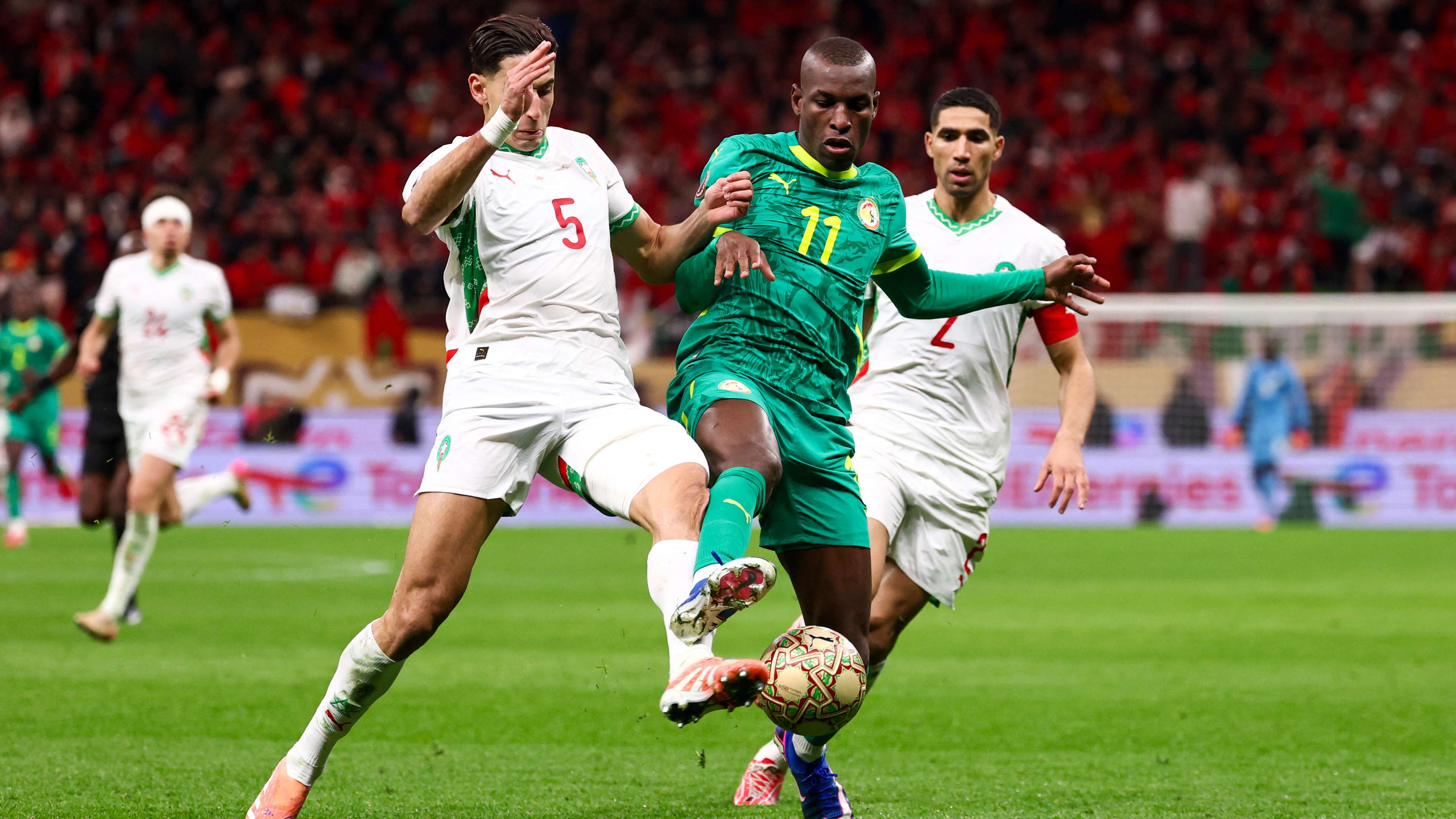
FIFA recently made a significant decision regarding the Africa Cup of Nations final crisis, where Senegal defeated Morocco 1-0 only for CAF to later award the title to the Atlas Lions. The controversy stemmed from the referee of the match, Congolese official Jean-Jacques Ndala, who has been under scrutiny for his handling of the game.
The Crisis Unfolds
The final match between Senegal and Morocco was marred by controversy, with accusations of serious errors being directed towards referee Jean-Jacques Ndala. One of the main points of contention was Ndala’s failure to blow the final whistle despite Senegal’s withdrawal to the dressing room. Additionally, he did not produce the necessary yellow cards when the players eventually returned to the field.
These incidents led to a heated debate within the African football system, with various parties holding Ndala accountable for the chaos that ensued during the final match.
FIFA’s Punitive Action
In response to the crisis, FIFA has taken decisive action by excluding Ndala from the list of referees for the 2026 World Cup, which is set to be held in the United States, Canada, and Mexico. This move by FIFA sends a clear message about their negative view of Ndala’s handling of the Africa Cup of Nations final.
It is worth noting that FIFA President Gianni Infantino was present at the Africa Cup of Nations final, where Ndala’s performance came under scrutiny. The exclusion of Ndala from the World Cup referee list serves as a stark reminder of the consequences of poor officiating in high-stakes matches.
Senegal’s Response
In light of the controversy surrounding the final, Senegal has taken the matter to the Court of Arbitration for Sport (CAS) to appeal against the decision made by the CAF Appeals Committee. The final ruling on the appeal is still pending, with Senegal seeking justice for their performance in the Africa Cup of Nations final.
As the football world awaits the outcome of this appeal, the spotlight remains on the actions taken by FIFA in response to the crisis. The exclusion of Ndala from the upcoming World Cup serves as a cautionary tale for referees and officials, emphasizing the importance of fair and decisive officiating in football matches.
Overall, the Africa Cup of Nations final crisis has brought to light the challenges faced by referees in high-pressure situations, and the consequences of their decisions on the outcome of matches. FIFA’s actions in this case underscore the organization’s commitment to upholding the integrity and fairness of the sport, even when it means taking tough disciplinary measures.
Impact on Referee Accountability
The Africa Cup of Nations final crisis has sparked a broader conversation about referee accountability in football. The controversy surrounding Ndala’s handling of the match has highlighted the need for greater scrutiny and consequences for referees who make critical errors during important games. This incident serves as a wake-up call for officials at all levels, emphasizing the importance of maintaining professionalism and making sound decisions on the field.
The Role of Technology in Officiating
One key aspect that has emerged from this crisis is the role of technology in officiating. With the advancements in video assistant referees (VAR) and other technological tools, there is a growing demand for more precise and accurate refereeing decisions. The Africa Cup of Nations final incident underscores the potential benefits of incorporating technology to assist referees in making crucial calls and avoiding controversies like the one involving Ndala.
Public Perception and Trust in Referees
The fallout from the Africa Cup of Nations final has also raised questions about public perception and trust in referees. Fans, players, and officials alike rely on referees to enforce the rules of the game fairly and impartially. When incidents like the one involving Ndala occur, it can shake the foundation of trust in the officiating process. Moving forward, rebuilding confidence in referees and their ability to make accurate decisions will be crucial for the integrity of the sport.
Lessons Learned for Future Tournaments
As football governing bodies reflect on the Africa Cup of Nations final crisis, there are valuable lessons to be learned for future tournaments. Improved training and evaluation processes for referees, as well as the implementation of technology to aid officiating, can help prevent similar controversies from arising in high-stakes matches. By addressing the shortcomings exposed by this incident, football organizations can work towards ensuring a more fair and transparent officiating system in the future.
The Global Impact of FIFA’s Decision
FIFA’s punitive action against Ndala has sent shockwaves through the global football community. The exclusion of the referee from the upcoming World Cup not only serves as a warning to other officials but also emphasizes FIFA’s commitment to upholding the highest standards of officiating. This decision sets a precedent for holding referees accountable for their actions and underscores the importance of maintaining integrity and fairness in the sport.
In conclusion, the Africa Cup of Nations final crisis has shed light on the complexities and challenges of refereeing in football. By addressing issues of accountability, embracing technology, rebuilding trust, and learning from past mistakes, the football community can strive towards a more transparent and reliable officiating system. FIFA’s actions in response to the crisis serve as a reminder of the organization’s dedication to upholding the spirit of the game and ensuring that fair play remains at the core of football competitions worldwide.