
Unraveling the Controversy: Qatar’s Participation and Bahrain’s Protest at the Gulf Cup 27
The Gulf Cup 27, a highly anticipated football tournament in the Arabian Gulf region, has been marred by an unexpected dispute that has captured the attention of fans, analysts, and governing bodies alike. The core of the controversy revolves around Qatar’s participation in the opening match against Bahrain, and Bahrain’s subsequent protest that was ultimately dismissed by the Gulf Football Federation. This episode not only raises questions about the tournament’s regulatory procedures but also underscores the complex interplay between international football governance and regional disputes.
The Incident: Qatar’s Win and Bahrain’s Protest
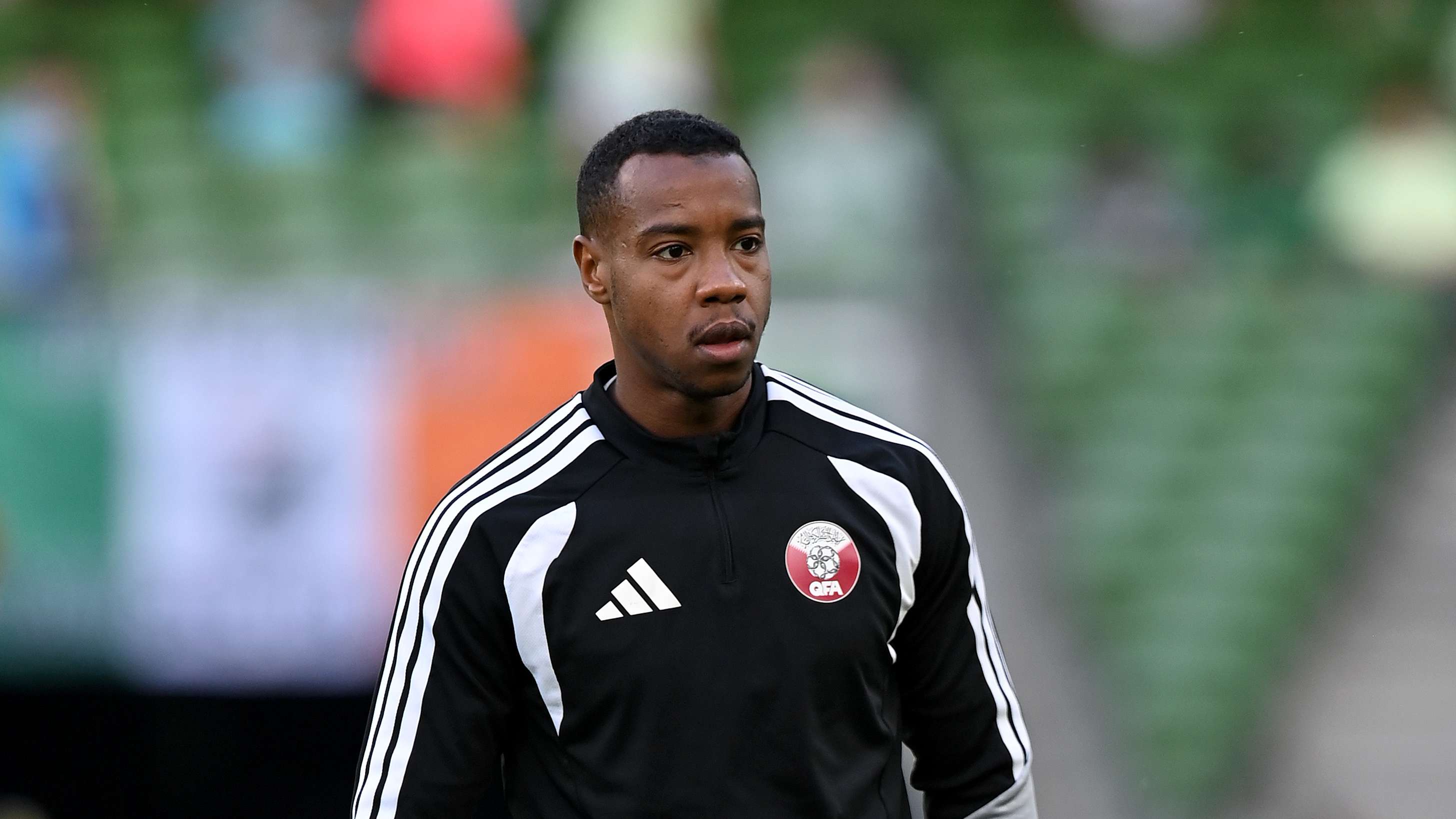
On Thursday, during the inaugural match of the group stage at the Gulf Cup 27, Qatar secured a convincing 2-0 victory over Bahrain. However, the post-match atmosphere was tinged with controversy. Bahrain’s football federation lodged an official protest against Qatar’s participation, specifically targeting the inclusion of Assim Madibo, a key player for Qatar’s national team.
What was Bahrain’s claim? Bahrain argued that Madibo should not have been eligible to play, citing a suspension from FIFA’s disciplinary records. According to Bahrain, Madibo had been suspended for five matches during the 2026 World Cup qualification process, following a violent challenge that resulted in a red card. Bahrain contended that his presence on the field was a violation of the tournament’s regulations and demanded that the match points be awarded to Bahrain instead.
The Role of FIFA and the Verification Process
Understanding the validity of Bahrain’s protest requires a look into the procedures followed by the Qatar Football Association (QFA) and FIFA. Before the tournament commenced, the QFA proactively consulted FIFA regarding Madibo’s eligibility, seeking clarity on whether his suspension would impact his participation in regional competitions like the Gulf Cup.
According to sources within FIFA, the governing body confirmed that Madibo was cleared to play in the Gulf Cup 27. This clearance was documented in official correspondence, which the QFA presented to the Gulf Football Federation (GFF) ahead of the match. The GFF, after reviewing the documents, granted Madibo the official approval to participate, affirming that there were no legal obstacles to his inclusion in Qatar’s squad.
The Dispute: Why Was Bahrain’s Protest Rejected?
While the initial response from the Gulf Cup organizers seemed straightforward, the subsequent rejection of Bahrain’s protest has sparked widespread discussion. The Gulf Football Federation announced that Bahrain’s appeal was dismissed—not because of any question about the legality of Madibo’s participation, but due to procedural issues.
The key reason? The protest was filed beyond the stipulated deadline. As per Article (19/1) of the Disciplinary Regulations, teams must submit formal protests within two hours after the conclusion of the match. Bahrain’s protest was lodged after this window had closed, rendering it inadmissible regardless of the merits of the claim.
This procedural oversight highlights an essential aspect of international sports governance — strict adherence to deadlines is critical in dispute resolution. Despite the controversy surrounding Madibo’s eligibility, the regulatory framework effectively limited the scope of the protest, emphasizing the importance of timely submissions in football administration.
Implications for Future Disputes in Regional Football Tournaments
The Bahrain-Qatar controversy sheds light on broader issues facing football federations in the Gulf region, especially amid political tensions and differing interpretations of regulations. While FIFA’s clearance was unambiguous, regional bodies like the Gulf Football Federation must balance adherence to international standards with local governing policies.
Moreover, this incident raises questions about the transparency and efficiency of protest procedures in regional tournaments. It underscores the importance of clear communication channels, timely filing of grievances, and rigorous verification processes to prevent disputes from overshadowing sporting excellence.
The Broader Context: Football, Regulations, and Regional Politics
This episode is more than just a procedural hiccup; it reflects the complex relationship between football governance and regional geopolitics. The Gulf Cup, a tournament rich with history and regional pride, often becomes a platform where political tensions subtly influence sporting decisions. While the current dispute centers around eligibility and procedural compliance, underlying political differences and regional rivalries can amplify such conflicts.
Additionally, the role of global football authorities like FIFA is pivotal. Their clear communication and consistent enforcement of regulations are vital in maintaining credibility and fairness in tournaments. FIFA’s prior clearance of Madibo’s participation demonstrates the importance of international oversight, yet regional bodies must also uphold procedural integrity to ensure disputes are resolved fairly and transparently.
Looking Ahead: What Does This Mean for Football Prediction and Tournament Outcomes?
For fans and football analysts, the Bahrain-Qatar controversy introduces an element of unpredictability into the tournament’s predictions. While Qatar’s victory was ultimately upheld, questions about eligibility and procedural compliance could influence future match predictions, betting odds, and team strategies.
Moreover, the incident serves as a reminder that football’s outcome is not solely determined by on-field performance but also by adherence to regulatory standards. As the tournament progresses, teams and fans alike should remain vigilant about such procedural issues, which could impact standings and the eventual champion.
Conclusion: Ensuring Fair Play in Regional Football
The Gulf Cup 27 controversy exemplifies the delicate balance between regulation, fair play, and regional politics in football. While FIFA’s approval of Madibo’s participation underscores the importance of international oversight, procedural deadlines and clear communication remain crucial in dispute resolution.
As the tournament unfolds, stakeholders must prioritize transparency, adhere to established regulations, and foster a spirit of sportsmanship that transcends regional rivalries. Only then can regional tournaments like the Gulf Cup truly serve their purpose — showcasing football’s unifying power and celebrating the beautiful game in a fair and competitive environment.
In summary, the ongoing Gulf Cup 27 controversy highlights the importance of proper regulatory procedures, timely dispute resolution, and international cooperation in football. As predictions for upcoming matches are made, fans and analysts should consider not just team performance but also the regulatory context that shapes the tournament’s landscape.