
FC Twente Post €7 Million Profit as Transfer Income Offsets European Revenue Drop
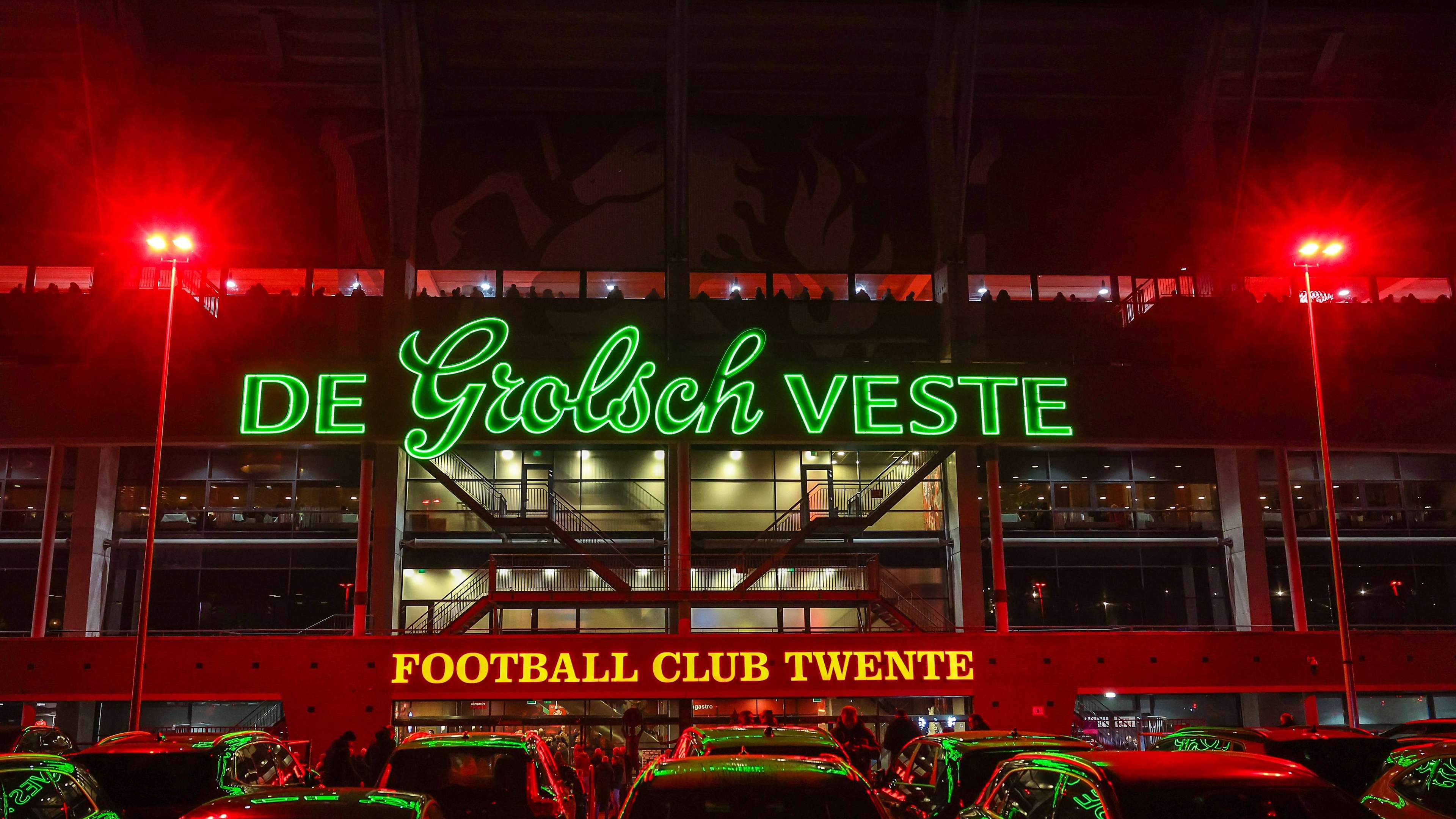
FC Twente have reported a net profit of €7 million for the 2025/26 financial year, with player sales providing a crucial boost after the men’s team missed out on the revenue associated with reaching a European competition league phase. The Dutch club’s annual figures show a business shaped by both financial resilience and a renewed focus on sporting ambition.
Revenue fell by €13.7 million year-on-year to €48 million. At the same time, operating costs declined by a more modest €1.1 million, to €51 million. That left the club with an operating loss of €3 million before transfer activity and other financial items were included. A €12.7 million profit from player transfers helped turn that shortfall into a positive result, while taxes of €2.4 million brought the final net profit to €7 million.
European Qualification Had a Major Financial Impact
The largest factor behind the revenue decline was FC Twente’s absence from the league phase of a European competition. The club said lower matchday income and reduced prize money were the main contributors to the year-on-year drop. Matchday revenue decreased by €2.9 million, while prize money fell by €10.6 million.
Those figures underline how strongly European football can affect a club’s finances. Participation can generate income through competition payments, ticket sales and the wider commercial attention that comes with continental fixtures. Missing out does not automatically mean financial trouble, but it can leave a noticeable gap that clubs must manage through careful spending, commercial growth or player trading.
For supporters considering the next campaign, the financial report also adds context to any football prediction about Twente’s prospects. Securing European qualification is not only a sporting target; it can influence the resources available for squad planning and the club’s ability to maintain momentum across domestic and international competitions.
Player Sales Helped Deliver a Positive Result
Transfer income proved decisive in balancing the accounts. FC Twente recorded a €12.7 million transfer profit following the sales of Sem Steijn, Carel Eiting, Mitchell van Bergen, Michel Vlap, Nikée van Dijk, Liv Pennock, Mats Rots, Alec van Hoorenbeeck and Bas Kuipers.
Player trading is a familiar part of football finance, particularly for clubs seeking to compete at a high level without relying solely on broadcasting and European income. A strong transfer profit can provide room to reinvest in the squad, strengthen infrastructure and absorb fluctuations in other revenue streams. However, replacing departing players effectively remains essential: the financial benefit of a sale must ultimately be balanced against its impact on results on the pitch.
Twente’s report therefore presents a two-sided picture. The club remained profitable, but its operating activities produced a loss before transfer profits were counted. That distinction matters because transfer income can vary significantly from season to season, depending on player performance, market demand and the timing of sales.
Costs Fell, Despite Planned Investment in Staff
Total costs reached €51 million, down €1.1 million compared with the previous season. FC Twente said the relatively small reduction reflected two opposing trends: planned growth in personnel costs and lower spending on other operating activities.
The club linked the reduction in operating expenses to fewer costs associated with organising European away matches. This illustrates how a season without an extended continental schedule can reduce certain expenses, even as it also limits income from prize money and matchdays. Meanwhile, increased personnel costs suggest that Twente continued to invest in its people and sporting operations rather than simply cutting expenditure across the board.
Balancing those priorities will remain important as the club pursues its stated goal of competing consistently in Europe. A stronger squad may improve the chances of qualification, but sustainable budgeting is necessary to ensure that ambition does not depend on exceptional transfer profits every year.
Financial Position Strengthens
Despite the revenue decline, FC Twente said its financial foundation remains healthy. Equity rose to €49 million, while working capital increased by €9.3 million to a positive €14.8 million at the balance-sheet date. Solvency remained stable at 47 per cent.
These indicators offer a broader view of the club’s position than the annual profit figure alone. Positive working capital can help an organisation meet its short-term obligations, while stable solvency points to a consistent balance between its assets and financial commitments. Together, the figures suggest that Twente have maintained a solid base while navigating a season with reduced European income.
The club described 2025/26 as a year focused on sporting objectives, strategic recalibration and its 60th anniversary. In its statement, Twente said recent years had been devoted to recovery and rebuilding, adding that the groundwork had now been laid for the next stage of development.
European Ambitions for the Men’s and Women’s Teams
FC Twente’s stated long-term ambition is to reach the league phase of a European competition consistently with both the men’s and women’s teams. The club said ambition is now its leading priority as it introduces a revised strategic course and updated core values.
For 2026/27, the immediate objectives include remaining in the Conference League beyond the winter break, qualifying for European football with both senior teams and making a strong run in the domestic cup. Achieving those targets would support the club’s sporting profile while potentially restoring some of the European-related income that declined in 2025/26.
Twente also identified the development of Topsport Campus Diekman as a major focus for the coming season, alongside the continued implementation of its strategic plan. Investment in sporting facilities can contribute to player development and long-term competitiveness, although the benefits are typically measured over several years rather than in a single campaign.
A Positive Balance Sheet, with Results Still Key
FC Twente’s €7 million net profit reflects effective financial management and substantial transfer gains, even as the absence of a European league-phase campaign reduced revenue. The club’s improved working capital and €49 million in equity provide a solid platform, but maintaining profitability will depend on managing costs and creating reliable income beyond player sales.
On the pitch, qualification for Europe remains central to Twente’s plans. Whether the men’s and women’s teams can reach that goal will shape the club’s sporting story—and could have a significant effect on future accounts. For fans following the season, that connection between results, recruitment and revenue will be an important part of any assessment or football prediction about what comes next.