
Pakistan Women’s Cricket Contracts: Fatima Sana and Sadia Iqbal Lead the 2026–27 List
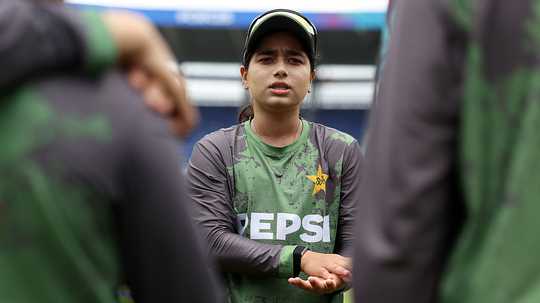
The Pakistan Cricket Board (PCB) has announced central contracts for eight women cricketers for the 2026–27 season, with captain Fatima Sana and left-arm spinner Sadia Iqbal awarded Category A deals. The new list marks a substantial reduction from the previous cycle, when 20 players were contracted, and signals a more selective approach as Pakistan prepares for its next phase of international cricket.
The contracts run through June 30, 2027 and are divided into three categories. Alongside Sana and Iqbal in Category A, the list includes Muneeba Ali Siddiqui, Nashra Sundhu and Sidra Amin in Category B. Ayesha Zafar, Gull Feroza and Sadaf Shamas have been placed in Category C.
For supporters following Pakistan women’s cricket, the changes offer a snapshot of the PCB’s current priorities: rewarding recent performance, monitoring player fitness and shaping a squad capable of meeting future demands. While a central contract is not a guarantee of selection for every series, it provides a formal framework for the board’s ongoing relationship with its leading players.
Category Changes Reflect a Shift in the Rankings
Several players have moved between contract categories since the previous season. Muneeba Ali and Sidra Amin, both previously in Category A, have been reassigned to Category B. The change suggests a reshaping of the contract structure, although the PCB has not published individual assessments or explained the precise reasons behind each player’s placement.
Gull Feroza and Sadaf Shamas have moved upward from Category D to Category C, giving both players a higher standing in the new arrangement. Ayesha Zafar is the only new entrant to the central-contract list. Her inclusion represents an opportunity to establish herself within the national setup and build on her performances as Pakistan evaluates its options across formats.
Fatima Sana’s Category A placement is notable as the all-rounder continues to serve as one of the team’s central figures. Her leadership, pace bowling and ability to contribute with the bat make her an important part of Pakistan’s plans. Sadia Iqbal’s elevation to the top category also reflects the value of her left-arm spin, particularly in conditions where control and variation can influence the middle overs.
Thirteen Players Omitted From the Previous Cycle
The smaller contract group means 13 players from the previous season have not been included. Those missing from the new list are Aliya Riaz, Diana Baig, Rameen Shamim, Najiha Alvi, Natalia Parvaiz, Omaima Sohail, Sidra Nawaz, Syeda Aroob Shah, Tuba Hassan, Umm-e-Hani and Waheeda Akhtar, as well as emerging players Eyman Fatima and Shawaal Zulfiqar.
Omission from a central contract list does not necessarily mean a player has been permanently ruled out of national selection. Team requirements can change, and players may still return through strong domestic performances, improved fitness or a need for particular skills. However, the reduced list places greater focus on the eight contracted players and makes the next year an important period for those outside the group to press their claims.
The exclusions also underline the competitive nature of international cricket. Selection decisions often involve balancing experience with development, as well as considering role coverage across batting, bowling and wicketkeeping. A player’s prospects may depend not only on individual form but also on the composition of the squad required for upcoming tours and tournaments.
Fitness and Form Central to Contract Decisions
The PCB said contract categories were determined after considering players’ recent form and fitness, alongside the team’s future requirements. The board also confirmed that centrally contracted cricketers will undergo regular fitness assessments and must maintain prescribed standards throughout the contract period.
That requirement reflects the growing physical demands of modern women’s cricket. International schedules can involve travel, training and matches across different formats, making conditioning and injury prevention essential. Regular assessments can help the team monitor readiness, although performance with bat and ball, tactical development and availability will remain important parts of a player’s overall contribution.
For the contracted group, the challenge will be to turn security into consistent performance. Category placement may influence how the list is viewed, but it does not settle the team’s playing XI. Players still need to compete for selection, adapt to different match situations and deliver when opportunities arrive.
What the New List Could Mean for Pakistan
The 2026–27 contracts arrive at a time when Pakistan will need to keep strengthening its depth while maintaining a competitive core. Sana and Iqbal provide high-profile anchors, while the Category B and C players bring a mix of established international experience and opportunities for further growth. The smaller group may help the PCB focus its support, though it also raises the importance of maintaining a strong domestic pathway for players not currently contracted.
Any cricket prediction about Pakistan’s results over the coming season should be treated cautiously. Contract announcements reveal administrative priorities, not guaranteed match outcomes. Form, fitness, opposition strength, conditions and squad balance will all shape the team’s prospects. Still, the new list offers useful clues: the PCB is placing significant confidence in Sana and Iqbal, while asking a more compact group to meet clear performance and fitness expectations.
As the season unfolds, attention will turn to whether the contracted players can translate their status into dependable contributions and whether those left out can force their way back into contention. For Pakistan women’s cricket, the contracts are more than a list of names—they mark the beginning of a year in which consistency, readiness and competition for places are likely to define the team’s progress.