
Fabregas Urges Como to Learn From Inter Defeat as Fixture Demands Increase
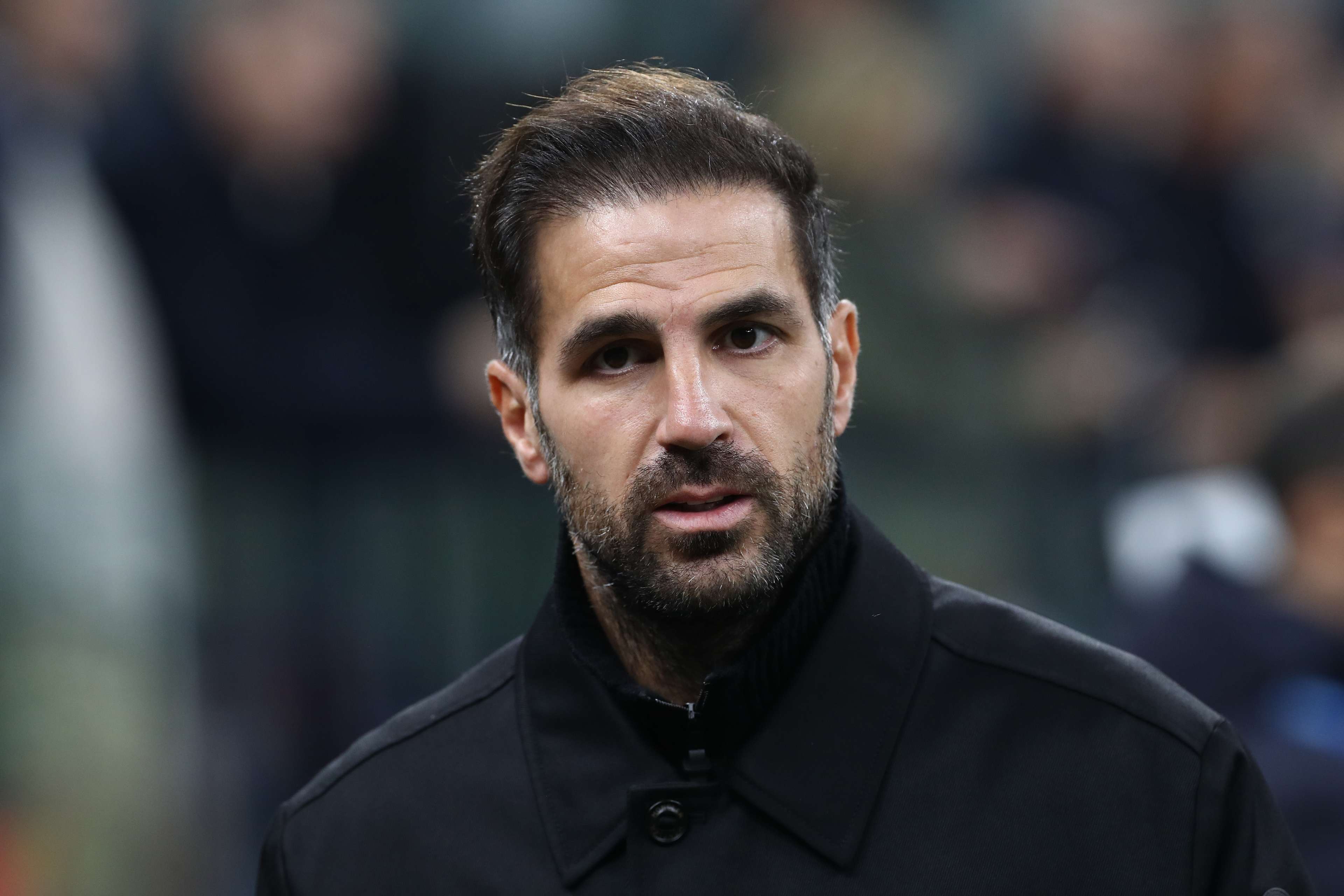
Como manager Cesc Fabregas refused to look for excuses after his side were beaten by Inter, acknowledging that the visitors were the better team while insisting the result should be treated as a lesson rather than a reason to blame individual players. Speaking to DAZN after the match, the Spaniard said Como’s slow start, mistakes in possession and lack of confidence made it difficult to compete against one of Europe’s most dangerous sides.
Fabregas also pointed to the challenge of adapting to a demanding schedule. Playing every three days is a new experience for Como, he explained, and one that brings different physical and tactical pressures from the rhythm the team has faced so far. Even so, he was clear that the fixture list and the condition of the pitch should not become convenient explanations for the defeat.
Como’s mistakes gave Inter the advantage
In Fabregas’ assessment, the match turned on avoidable turnovers in midfield. Inter punished Como after winning the ball, using quick transitions to attack before the home side could recover its defensive shape. The goals, he said, came from two possessions lost in central areas and the resulting counter-attacks—precisely the kind of situations in which Inter are especially effective.
“They are the strongest in Europe in transition,” Fabregas said, underlining the scale of the challenge. Inter’s ability to move forward quickly means that a misplaced pass or a moment of hesitation can become a major threat within seconds. For Como, the defeat offered a direct example of how small errors against elite opposition can have an outsized impact on the scoreboard.
The manager’s comments point to a practical priority for the team: improving its security on the ball when opponents press and making sure midfield possession is supported by enough players behind the ball. Against a side as fast and experienced as Inter, attacking ambition must be matched by careful positioning. A more controlled approach may help Como avoid leaving open spaces for counter-attacks.
Fabregas calls for balance rather than blame
Fabregas said his responsibility is to help the team find solutions, regardless of whether Como are coming off a winning run or a difficult result. In this match, he felt the answer was more defensive balance rather than simply adding attacking players or asking the side to take greater risks.
That assessment reflects the fine line Como must manage as they continue to develop. A proactive style can help the team create chances and impose itself, but it can also expose the defence if possession is lost in dangerous areas. Against Inter, the manager believed Como needed better protection around the midfield and more discipline during transitions.
Fabregas was also careful not to single out players after the loss. He said there was no need to “tear anyone apart,” asking supporters and the squad to recognise the effort the players have made while congratulating Inter on a deserved performance. His message was one of accountability without panic: Como must examine what went wrong, but the response should focus on collective improvement rather than public criticism.
Inter’s experience offers a benchmark
Fabregas praised Inter’s quality in two key areas: counter-attacking football and set pieces. Those strengths are built not only on technical ability but also on timing, organisation and experience. Inter know when to accelerate after regaining possession, how to exploit gaps between the lines and how to turn dead-ball situations into scoring opportunities.
For Como, facing a team with that level of understanding can provide valuable information about what is required to compete at the highest level. The match highlighted the need to defend transitions as a unit, communicate quickly after losing the ball and remain composed when the opposition applies pressure. These are details that can be difficult to perfect, particularly for a side adjusting to a more intense schedule.
Fabregas also referred to a disputed moment involving Nicolò Barella, suggesting the midfielder should have been booked, while acknowledging that officials are entitled to allow play to continue. The comment reflected a match played with considerable intensity, but the manager did not present the incident as the reason for Como’s defeat. His main focus remained on his own team’s performance and the mistakes that allowed Inter to take control.
“We’re too nice,” says Milla
Fabregas referenced Milla’s view that Como can be “too nice” as a team. The phrase suggests that the side may need to become more assertive in duels, more forceful in protecting possession and more demanding of itself during difficult spells. That does not necessarily mean abandoning its footballing identity. Instead, it may mean pairing technical play with greater competitive edge.
Against experienced opponents, composure and aggression must work together. Como will need to challenge for second balls, disrupt the opponent’s rhythm and make smarter decisions under pressure. If the team can combine those qualities with the constructive style Fabregas wants to build, it may become better equipped to handle matches in which momentum shifts quickly.
What the defeat means for Como’s next steps
The result is a setback, but Fabregas’ response suggests the club is focused on using it as a reference point. The immediate task is to review how Inter created danger, especially after Como lost possession, and identify ways to prevent those situations from recurring. Training will also need to address the physical and tactical demands of playing every few days, a challenge that tests squad depth as well as preparation.
Any future football prediction involving Como will depend partly on how quickly the team adapts to that schedule and improves its defensive balance. A strong run of results can build belief, but performances against top opponents often reveal areas that less demanding matches do not expose. For Como, the key will be turning those lessons into more reliable decisions on the pitch.
Fabregas’s message after the defeat was measured: Inter deserved credit, Como made mistakes, and the players should not be written off because of one difficult night. The manager remains proud of his squad, but he also knows that pride must be matched by practical changes. If Como can protect the ball more effectively, defend transitions with greater discipline and add the edge Milla believes is missing, this defeat could become a useful step in the team’s development.