
Saudi Football: A New Era of Development and the Role of Foreign Professionals
In recent years, Saudi Arabia has emerged as a significant hub for football development, investing heavily in infrastructure, youth programs, and high-profile signings. While this transformation has garnered worldwide attention, debates continue over the true impact of foreign professionals on the national team’s progress. Portuguese coach Jose Peseiro, a seasoned football tactician with extensive experience in the Middle East, offers a nuanced perspective that sheds light on the evolving landscape of Saudi football and its future prospects.
Controversy Surrounding Foreign Players in the Saudi League
Recently, tensions have surfaced within Saudi football circles regarding the influence of foreign talent. Greek coach Georgios Donis, currently leading a team in the Saudi Pro League, voiced concerns during the ongoing Arabian Gulf Cup, also known as Gulf 27, held in Saudi Arabia. Donis argued that the dominance of foreign players in local clubs has adverse effects on the development of Saudi nationals. He emphasized that limited playing time for local players hampers their growth and diminishes their chances of reaching their full potential at the international level.
Donis’s comments reflect a lingering debate about the balance between importing star foreign players and nurturing homegrown talent. Critics argue that the influx of foreign professionals raises the overall standard of the league, but opponents worry it could overshadow the development of Saudi players who are essential for national team success. Notably, renowned coaches like Roberto Mancini and Hervé Renard have previously voiced similar concerns during their tenure with the Saudi national team, highlighting a recurring challenge faced by the country’s football ecosystem.
Jose Peseiro’s Perspective: Foreign Professionals as Catalysts for Growth
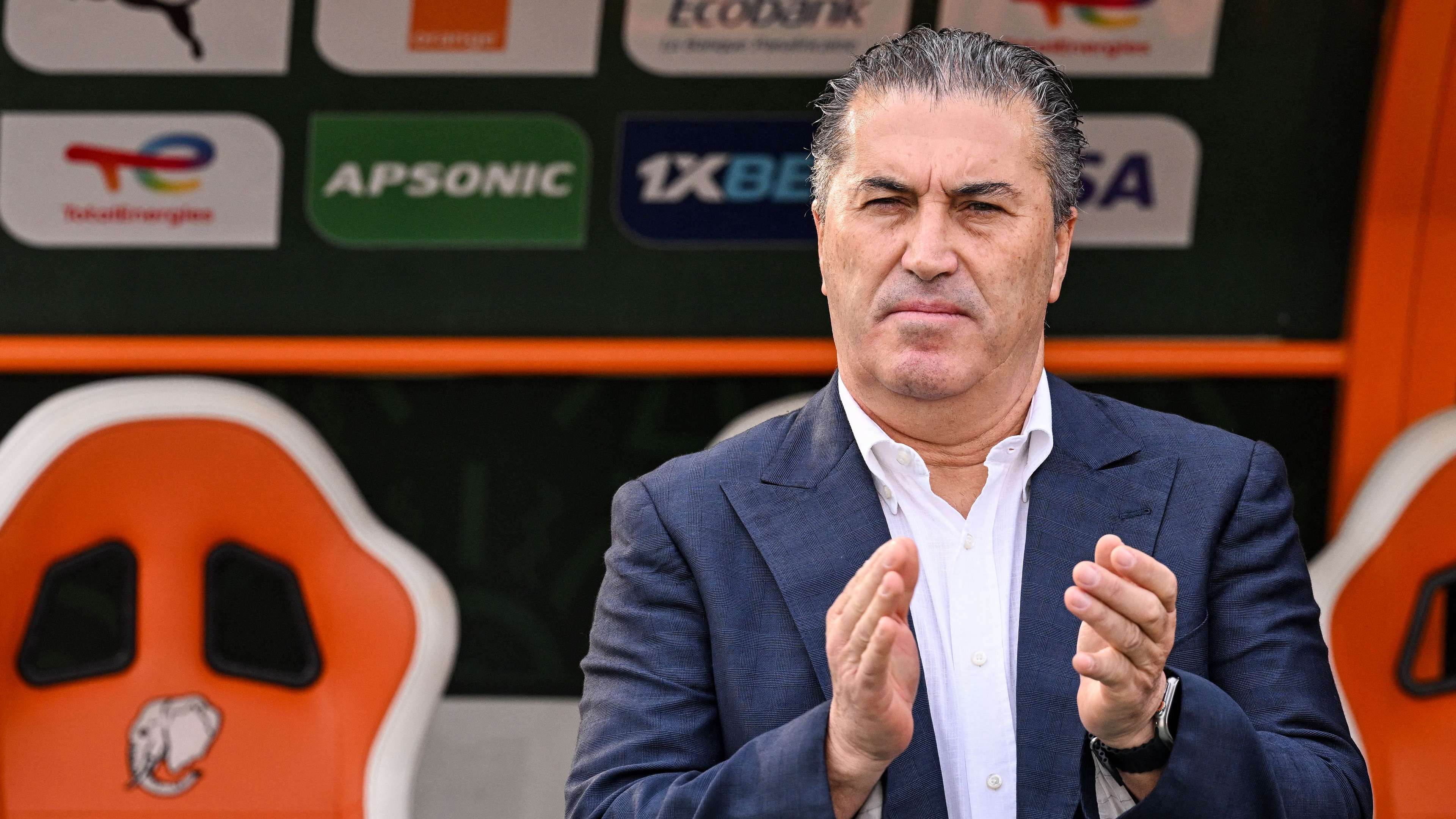
Contrasting sharply with Donis’s viewpoint, Jose Peseiro, who has a rich history in Saudi football, champions the positive influence of foreign players and coaches. Having previously managed Al-Hilal in 2006 and the Saudi national team from 2009 to 2011, Peseiro possesses firsthand insight into the kingdom’s football evolution. During a recent interview with Kooora, a prominent sports news outlet, Peseiro articulated his belief that foreign professionals have played a crucial role in elevating Saudi football to new heights.
“They have helped, and they still help, enormously,” Peseiro stated, emphasizing the importance of international expertise in raising the standards of local football. He explained that training alongside seasoned players who have achieved global recognition—such as Ballon d’Or winners or European champions—serves as a benchmark for local athletes. This exposure to elite-level professionalism and tactical understanding accelerates the development process for Saudi players.
The Impact of International Experience on Saudi Players and the National Team
Peseiro further elaborated on how the presence of foreign professionals influences the maturity and tactical awareness of Saudi players. “Training daily alongside players who have previously won the Ballon d’Or or been crowned European champions raises the level of any local player,” he noted. This environment creates a competitive edge that pushes Saudi athletes to elevate their skills, adapt to higher standards, and develop a more sophisticated understanding of the game.
This integration of global football standards into the domestic league is expected to yield positive results in the short and medium term, according to Peseiro. He believes that the current phase of investment and development in Saudi football is laying the groundwork for sustained success, both at the club and national levels.
How Saudi Football Has Transformed Over the Years
The landscape of Saudi football has undergone a dramatic transformation over the past decade. Once considered a regional league with limited international influence, Saudi clubs now attract top foreign talent and coaches, making it one of the most competitive leagues in the Middle East and Asia. Significant financial investments, coupled with strategic partnerships and infrastructure upgrades, have created an environment conducive to high-level competition and talent development.
The strategic focus on developing local talent while integrating foreign expertise has been a central pillar of this transformation. The Saudi Football Federation’s vision aims to position the kingdom as a global football powerhouse, capable of competing on the world stage and hosting major international tournaments, such as the FIFA World Cup.
Predictions for the Future of Saudi Football and Its International Impact
Looking ahead, football prediction experts and analysts are optimistic about the future trajectory of Saudi football. The ongoing development initiatives, combined with the influx of world-class players and coaches, suggest that the national team could soon reach new competitive heights. Many anticipate a rise in the team’s FIFA rankings and stronger performances in international competitions.
Furthermore, the integration of foreign talent is expected to accelerate the discovery and nurturing of young Saudi prospects, who will benefit from mentorship and exposure to elite-level standards. This holistic approach to football development could position Saudi Arabia as a formidable contender in Asian and world tournaments within the next decade.
Key Factors Shaping the Next Chapter of Saudi Football
- Strategic Investment: Continued funding in youth academies, stadiums, and training facilities.
- International Collaboration: Partnerships with European, South American, and African clubs to facilitate knowledge exchange.
- Focus on Education: Emphasizing tactical and technical training for local coaches and players.
- Media and Fan Engagement: Growing fanbase and broadcasting deals to elevate the sport’s popularity.
Conclusion: Embracing the Future with Confidence
The debate surrounding foreign professionals in Saudi football underscores a broader question about balancing talent development and international influence. As Jose Peseiro rightly points out, the current transformation of Saudi football is a testament to the kingdom’s commitment to excellence and growth. With strategic investments and a clear vision, Saudi Arabia is poised to become a leading force in Asian football and beyond.
For football prediction enthusiasts, these developments signal exciting times ahead. The combination of world-class talent, innovative training methods, and national ambition suggests that the future of Saudi football will be characterized by remarkable achievements and a stronger, more competitive national team.
As the sport continues to evolve, fans and analysts alike will be watching closely to see how Saudi Arabia leverages its recent progress to make a lasting impact on the global football map.