
Former São Paulo President Julio Casares Takes Meta to Court Over Instagram Followers
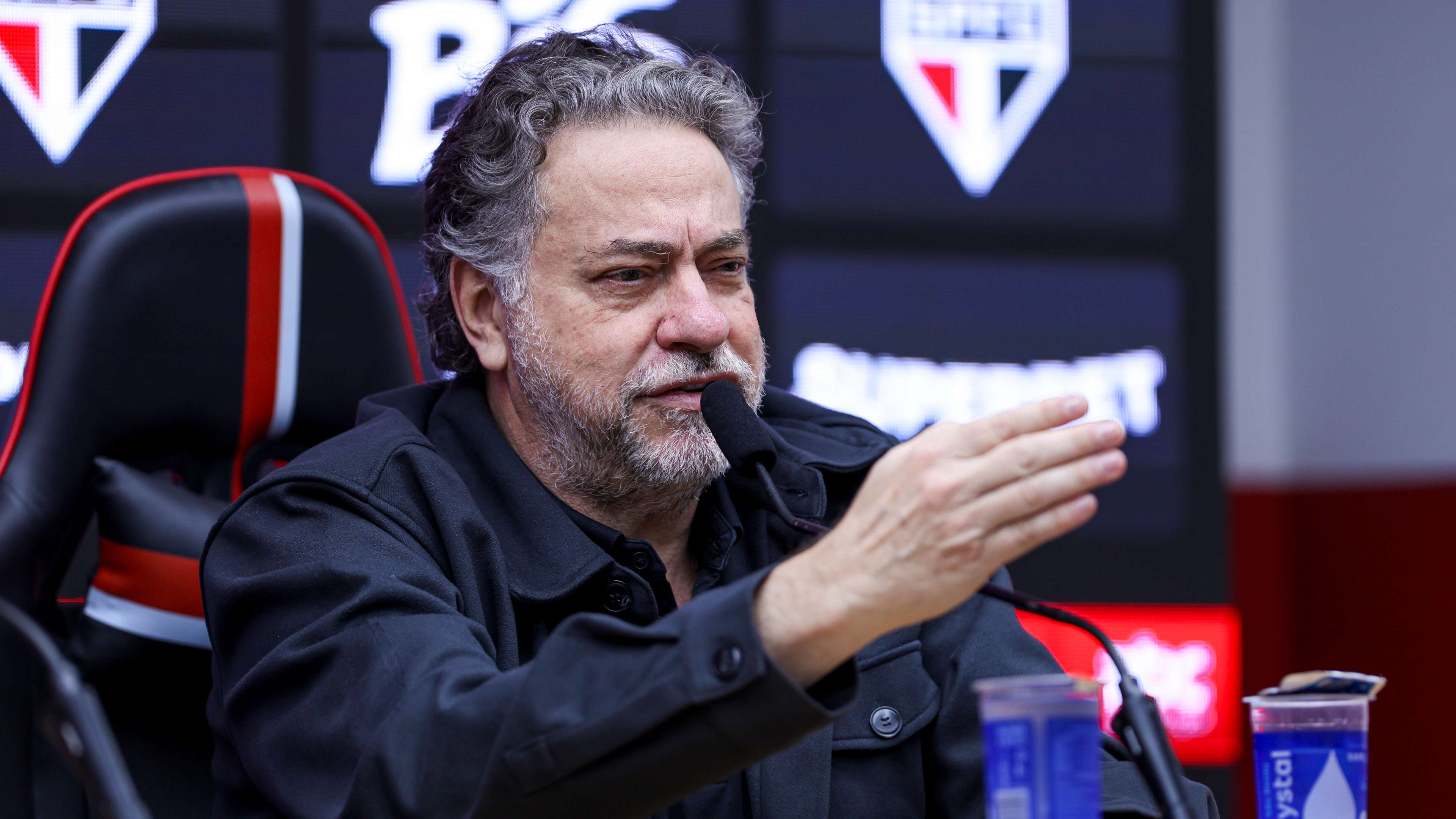
Former São Paulo president Julio Casares has begun legal proceedings against Meta, alleging that he lost thousands of Instagram followers after leaving his post at the Brazilian football club. The dispute adds a digital dimension to a turbulent period for the former executive, who is also challenging São Paulo over his removal from the club’s membership rolls.
Casares is seeking compensation from the technology company, which owns Instagram, according to reports about the case. At the heart of the claim is a sharp fall in his follower count following his resignation. The legal action raises questions about how social-media platforms handle account audiences when a high-profile figure’s role, public profile or online activity changes.
A dispute over a sudden drop in followers
For public figures, an Instagram audience can be more than a popularity measure. Followers may represent a valuable channel for communicating with supporters, sharing professional updates and maintaining a public presence. A sudden reduction can therefore have reputational and commercial consequences, particularly for someone whose visibility is closely linked to a major football institution.
Casares argues that the loss of thousands of followers warrants compensation. The precise circumstances behind the decline, including when it occurred and what caused it, are central to the dispute. A change in follower numbers does not, by itself, establish that a platform acted improperly. Counts can fluctuate for a range of reasons, such as users closing accounts, automated accounts being removed, people choosing to unfollow, or changes in how a platform identifies and displays activity.
That makes the case potentially significant beyond Casares himself. It may test what evidence is needed to connect a drop in followers to a platform’s conduct—and whether a reduction in an online audience can be treated as a compensable loss. The answer could depend on technical records, the timing of the decline and the legal basis of the claim.
Two legal battles following his departure
The Meta case is separate from Casares’s dispute with São Paulo. The former club chief is also involved in a courtroom battle with the Brazilian side after being expelled from its membership rolls. That second conflict concerns his relationship with the club and the circumstances surrounding his removal, rather than the operation of his Instagram account.
Together, the cases show how the consequences of a high-profile departure can extend well beyond the football pitch. Casares’s resignation ended his leadership role, but it has not ended the disputes connected to his public and institutional standing. One case focuses on his digital audience; the other concerns his status within São Paulo’s membership structure.
Neither dispute should be treated as proof that either side has acted unlawfully. Legal claims must be assessed through the relevant proceedings, and the outcome will depend on the arguments and evidence presented. Until a court reaches a decision, the allegations remain part of an ongoing legal process.
Why social-media follower counts matter
Instagram has become an important communications platform for sports executives, athletes, clubs and supporters. A prominent account can help a public figure respond directly to news, share personal perspectives and reach an audience without relying entirely on traditional media. For former club officials, that channel can also remain influential after they leave office.
At the same time, follower totals are not fixed assets. Platforms regularly remove accounts they identify as fake, inactive or otherwise in breach of their rules. Individual users can also leave an account at any time. As a result, a falling number may reflect routine changes across the service rather than a targeted decision against a particular user.
Any compensation claim would therefore need to address more than the size of the decline. Relevant questions could include whether the loss was unusual, whether it can be linked to a specific platform action, and whether Casares can demonstrate measurable harm. The court may also need to consider what responsibility a social-media company has for maintaining a user’s audience figures.
A broader issue for football’s online public figures
The case highlights a growing tension in modern football: public influence increasingly extends beyond official positions. Club leaders build personal profiles while in office, and those audiences may continue to follow them after a change in leadership. When a departure is controversial, social media can become both a communication tool and another arena in which the fallout plays out.
For supporters, the legal action is unlikely to resolve questions about São Paulo’s future on the pitch. It does, however, draw attention to the changing relationship between football institutions and digital platforms. Clubs and their leaders now operate in an environment where public reputation can be shaped by news coverage, fan reaction and platform metrics at the same time.
There is no reliable football prediction to be drawn from the follower dispute about what will happen in either courtroom. The proceedings are distinct, and their outcomes will depend on their own facts and legal arguments. What can be said is that Casares faces a complex period after his departure: one case challenges a social-media company over the loss of online followers, while another contests his exclusion from São Paulo’s membership rolls.
As the legal process continues, attention is likely to focus on the evidence behind the reported Instagram decline and the grounds for Casares’s separate challenge to the club. The cases may ultimately clarify how digital audience changes are treated under the law—and how far a former football executive can pursue claims connected to both his online presence and his relationship with a club.