
Samir Nasri Withdraws from Champions League Final Punditry
Retired Midfielder Avoids Further Abuse
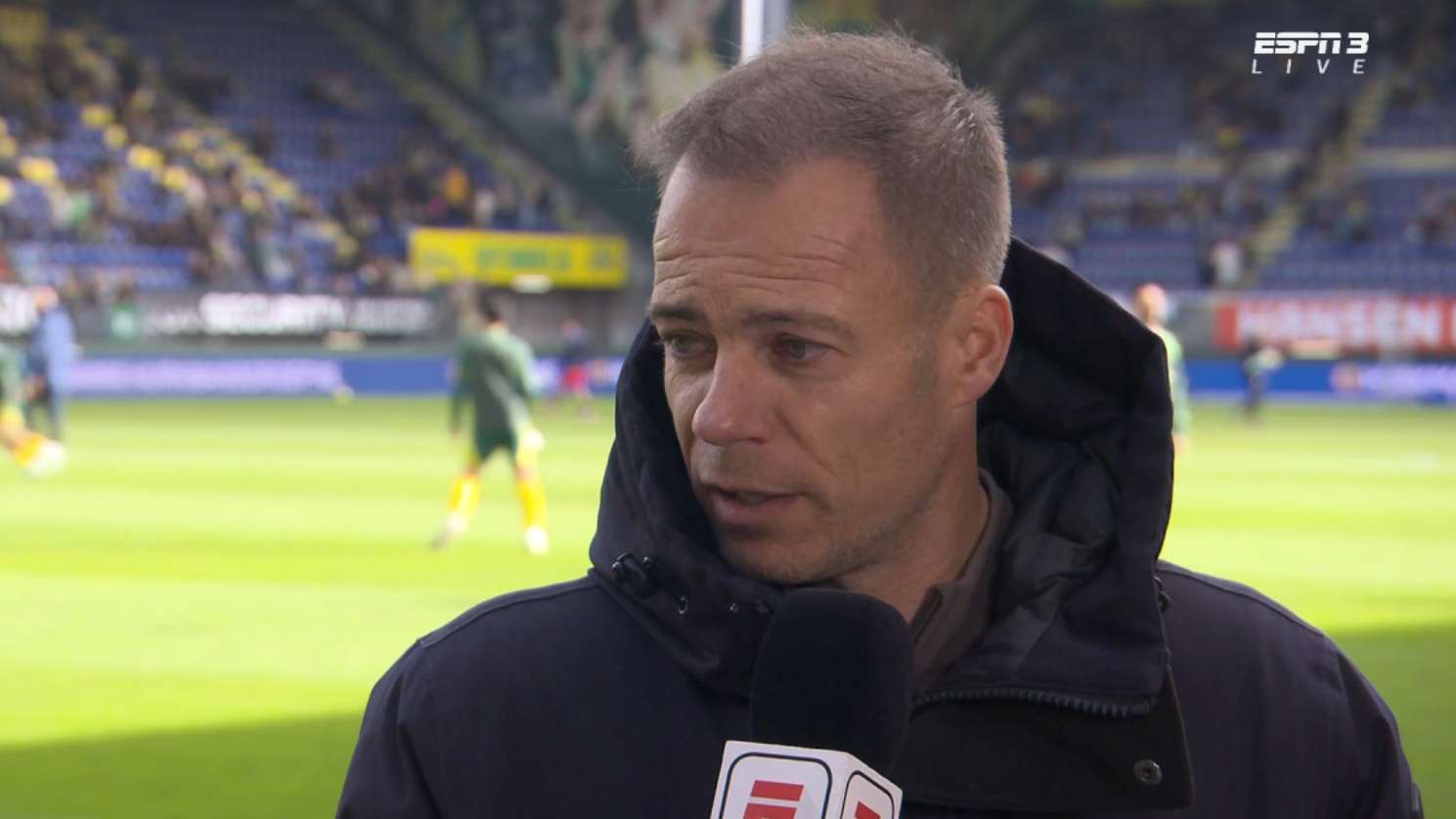
Former footballer Samir Nasri has made the decision to withdraw from his punditry duties for the upcoming Champions League final between Paris Saint-Germain and Arsenal in Budapest. Nasri, who was set to be part of the pitch-side broadcasting team for the highly anticipated clash, cited concerns over potential abuse following an incident during the semi-final in Munich.
During the previous match, Nasri was heavily targeted by PSG ultras, leading to a barrage of abuse and harassment. The retired midfielder expressed his discomfort with the situation and decided to prioritize his well-being by stepping down from his punditry role for the final.
Abuse in Football
The incident involving Nasri highlights the ongoing issue of abuse and harassment in football. Players, pundits, and fans alike have been subject to verbal attacks, online abuse, and even physical threats in recent years. The toxic behavior exhibited by some individuals not only tarnishes the sport but also has a detrimental impact on the mental health and safety of those targeted.
Football organizations and authorities have been working to address this issue through campaigns, education programs, and stronger punishments for offenders. However, incidents like the one involving Nasri serve as a stark reminder of the challenges that still exist in creating a safe and respectful environment within the football community.
Nasri’s Decision
Samir Nasri’s decision to withdraw from his punditry duties for the Champions League final underscores the personal toll that abuse can take on individuals. Despite his experience as a professional footballer and pundit, Nasri recognized the importance of prioritizing his well-being and mental health in the face of targeted harassment.
By taking a stand against abuse and choosing to step away from the limelight, Nasri sends a powerful message about the need for respect and decency in football and sports media. His decision serves as a reminder that no individual should have to endure abuse or threats in the pursuit of their passion or profession.
Looking Ahead
As the football community prepares for the Champions League final, the incident involving Samir Nasri serves as a sobering reminder of the importance of creating a safe and inclusive environment for all individuals involved in the sport. While the match between Paris Saint-Germain and Arsenal promises to be a thrilling spectacle on the pitch, it is essential to remember the human cost of toxic behavior off the field.
Ultimately, Nasri’s decision to prioritize his well-being should spark conversations about how to combat abuse and harassment in football and beyond. By supporting individuals who speak out against mistreatment and standing up for respect and dignity, the football community can work towards a future where all participants can enjoy the game without fear of abuse or discrimination.
Impact of Abuse on Footballers
The abuse faced by Samir Nasri is just one example of the challenges that footballers often encounter both on and off the field. The intensity of emotions that football fans invest in the game sometimes leads to unacceptable behavior towards players, coaches, and commentators. This toxic culture not only affects the mental health of the individuals targeted but also sets a damaging precedent for the younger generation of football enthusiasts.
Professional athletes like Nasri are not immune to the impact of abuse and harassment. The constant scrutiny and criticism can have detrimental effects on their performance, confidence, and overall well-being. In recent years, several footballers have come forward to share their experiences of abuse, sparking important conversations about mental health support and the responsibility of football authorities to protect their players.
Creating a Supportive Environment
It is crucial for football organizations, clubs, and fans to work together in creating a supportive and respectful environment for all individuals involved in the sport. Education plays a key role in addressing issues of abuse and discrimination, helping to foster a culture of inclusivity and understanding within the football community.
By promoting empathy, tolerance, and respect, football can become a platform for positive change and unity. Programs that focus on mental health awareness, diversity training, and bystander intervention can empower individuals to speak out against abuse and support those who are targeted. Building a strong sense of solidarity within the football community is essential in combating the harmful effects of toxic behavior.
Role of Pundits and Media
Pundits and media personalities, like Samir Nasri, play a significant role in shaping the narrative around football and influencing public opinion. By taking a stand against abuse and harassment, these individuals can set an example for others to follow. It is essential for pundits to prioritize their well-being and mental health, just like any other professional in the industry.
Responsible reporting and commentary can contribute to a more positive and respectful discourse within the football community. Pundits have the power to educate, inspire, and advocate for change, leveraging their platform to address important issues such as abuse, discrimination, and mental health stigma. By using their voices for good, pundits can help create a more inclusive and supportive environment for everyone involved in the beautiful game.
Conclusion
Samir Nasri’s decision to withdraw from his punditry duties for the Champions League final sheds light on the enduring challenges of abuse and harassment in football. While the sport continues to captivate audiences around the world, it is essential to address the toxic behavior that threatens the well-being of individuals within the football community.
By standing up against abuse, promoting respect, and prioritizing mental health, footballers, pundits, and fans can work together to create a safer and more inclusive environment for all. The incident involving Nasri serves as a reminder of the importance of empathy, solidarity, and accountability in fostering a culture of kindness and understanding within the football world.
As the Champions League final approaches, let us reflect on the lessons learned from Nasri’s experience and strive to build a future where everyone can enjoy the game they love without fear of abuse or discrimination. Together, we can make football a place of unity, respect, and joy for all who participate in its magic.