
Daniel Farke Defends Michael Carrick Amid Manchester United Scrutiny
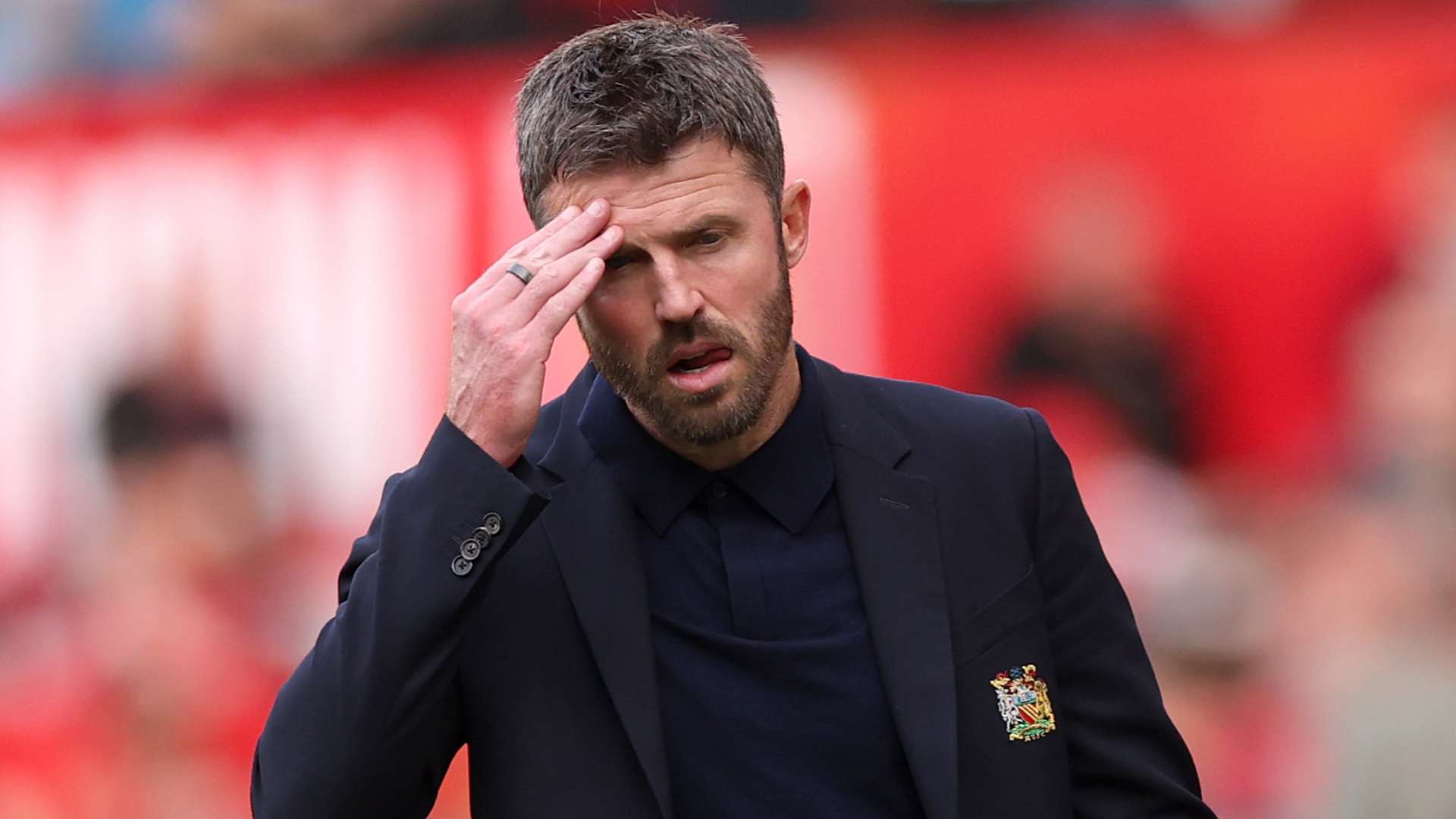
Leeds United manager Daniel Farke has spoken out in support of Michael Carrick, arguing that football and modern society are often too quick to judge coaches when results turn against them. Farke believes Carrick deserves recognition for his work at Manchester United, despite the intense attention surrounding the club’s recent form.
His comments offer a reminder of how quickly the narrative around a manager can change in elite football. A promising run can generate praise and optimism, while a handful of disappointing results may prompt questions about tactics, leadership and long-term suitability. In Farke’s view, that cycle can leave little room for fair assessment of the challenges a coach faces.
Farke calls for patience in a results-driven game
Football managers operate in an environment where every performance is analysed, debated and compared with expectations. At a club with Manchester United’s history and global profile, that pressure is magnified. Supporters want progress, pundits assess every decision and a difficult spell can quickly become a wider debate about the direction of the team.
Farke’s defence of Carrick challenges that reflex. Rather than allowing recent results to define the manager’s work, the Leeds boss has pointed to the value of judging a coach over a broader period. That means considering the quality of the performances, the circumstances around the squad and the progress made on the pitch—not simply looking at the latest scoreline.
It is a perspective that resonates across the sport. Football is, ultimately, a results business, but results do not always tell the complete story. Injuries, fixture congestion, confidence and the strength of opposition can all influence a team’s form. A manager may also be trying to introduce a new approach or develop players whose contribution will become clearer over time.
Why Carrick’s role attracts particular attention
Manchester United’s status means that scrutiny is rarely limited to the team’s position or the outcome of a single match. Every tactical adjustment, selection choice and public comment can become part of a larger conversation about the club. For a manager in that setting, the challenge is not only to improve performances but to do so while operating under constant observation.
Carrick’s connection with United also makes his work especially visible to supporters. Former players who move into coaching are often judged against their reputations on the pitch, while also being expected to deliver immediate results from the touchline. That can create a difficult balance: a coach needs time to establish authority and ideas, yet the club’s expectations can leave little margin for error.
Farke’s comments do not remove the pressure or suggest that managers should be shielded from criticism. Instead, they underline the difference between informed analysis and a rush to declare someone a failure. Constructive criticism is part of football, but it is most useful when it considers context and gives credit where it is due.
Football prediction and the limits of short-term judgment
The debate also highlights how difficult it is to make a reliable football prediction during a turbulent spell. A team’s recent results can influence expectations, but form is not always a dependable guide to what comes next. One strong performance may signal improvement, while one poor display does not necessarily mean that a wider project has failed.
For supporters assessing Manchester United’s prospects, it is worth looking beyond the headline result. Patterns in possession, defensive organisation, chance creation and the team’s response after conceding can offer a more useful picture of progress. The same applies when evaluating a manager: consistent improvements in those areas may matter even before they produce a sustained run of wins.
That does not mean results are unimportant. Clubs compete to win, and managers are ultimately accountable for their teams. But football prediction becomes more thoughtful when it weighs several factors rather than treating the latest score as conclusive evidence. Squad availability, the difficulty of upcoming fixtures and the time needed to implement a tactical plan all influence what may happen next.
The wider pressure on modern managers
Farke’s remarks point to a broader change in how football is discussed. Social media and round-the-clock coverage have made reactions faster and more visible. A single mistake can be replayed endlessly, while a disappointing result may trigger immediate calls for change. That intensity can make patience seem outdated, even when a club’s long-term ambitions depend on allowing a coach to build.
Managers are also expected to satisfy competing demands. They must produce immediate results, develop younger players, maintain a recognisable style and keep supporters engaged. At major clubs, those expectations can be accompanied by transfer speculation and debate over the wider football structure. When results dip, all of these issues may be placed at the manager’s door, whether or not they are entirely within his control.
That is why Farke’s defence of Carrick carries weight beyond the two coaches involved. It reflects a belief that fair judgment requires more than a quick reaction. A manager can be questioned without being dismissed, and supporters can demand improvement while still acknowledging the work already done.
A reminder to judge the work, not just the latest result
Farke’s message is ultimately one of balance. Manchester United will continue to be measured against high standards, and Carrick will remain under pressure to deliver performances that match the club’s ambitions. Yet the Leeds manager argues that the football world should resist turning every difficult period into a verdict on a coach’s ability.
For fans following the debate, the most useful approach is to watch how the team responds. Does it show greater organisation? Are players adapting to the manager’s ideas? Is the side creating better chances and learning from setbacks? Those questions provide richer insight than a simple win-or-loss assessment—and may offer a sounder basis for any prediction about what comes next.
Farke’s support does not settle the debate over Carrick or Manchester United’s direction. It does, however, encourage a more considered conversation: one that recognises the demands of elite football while allowing room for context, development and the possibility of improvement.