
Mourinho Penalty Comments Spark Dispute After Real Madrid’s Match Against Racing Santander
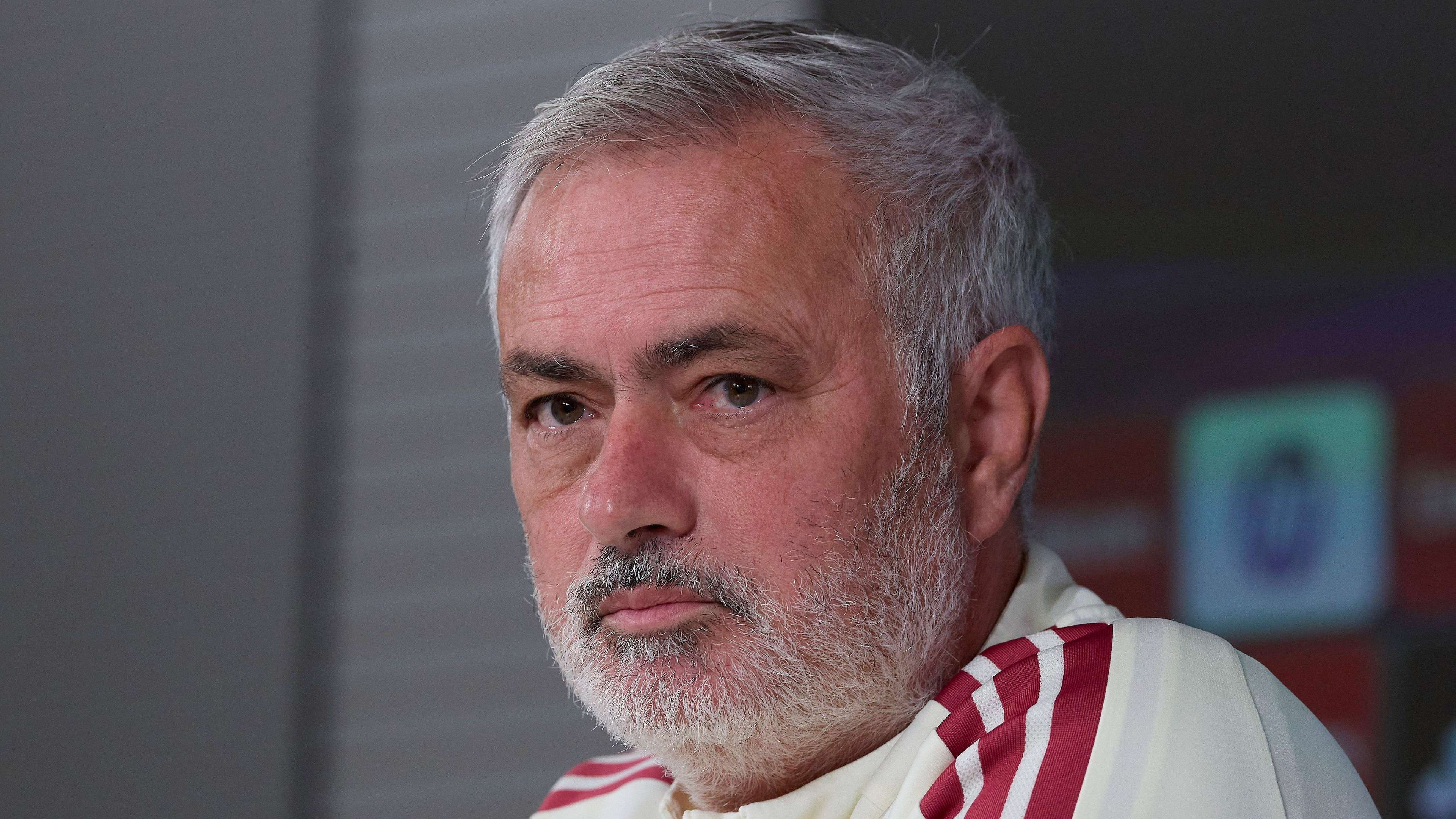
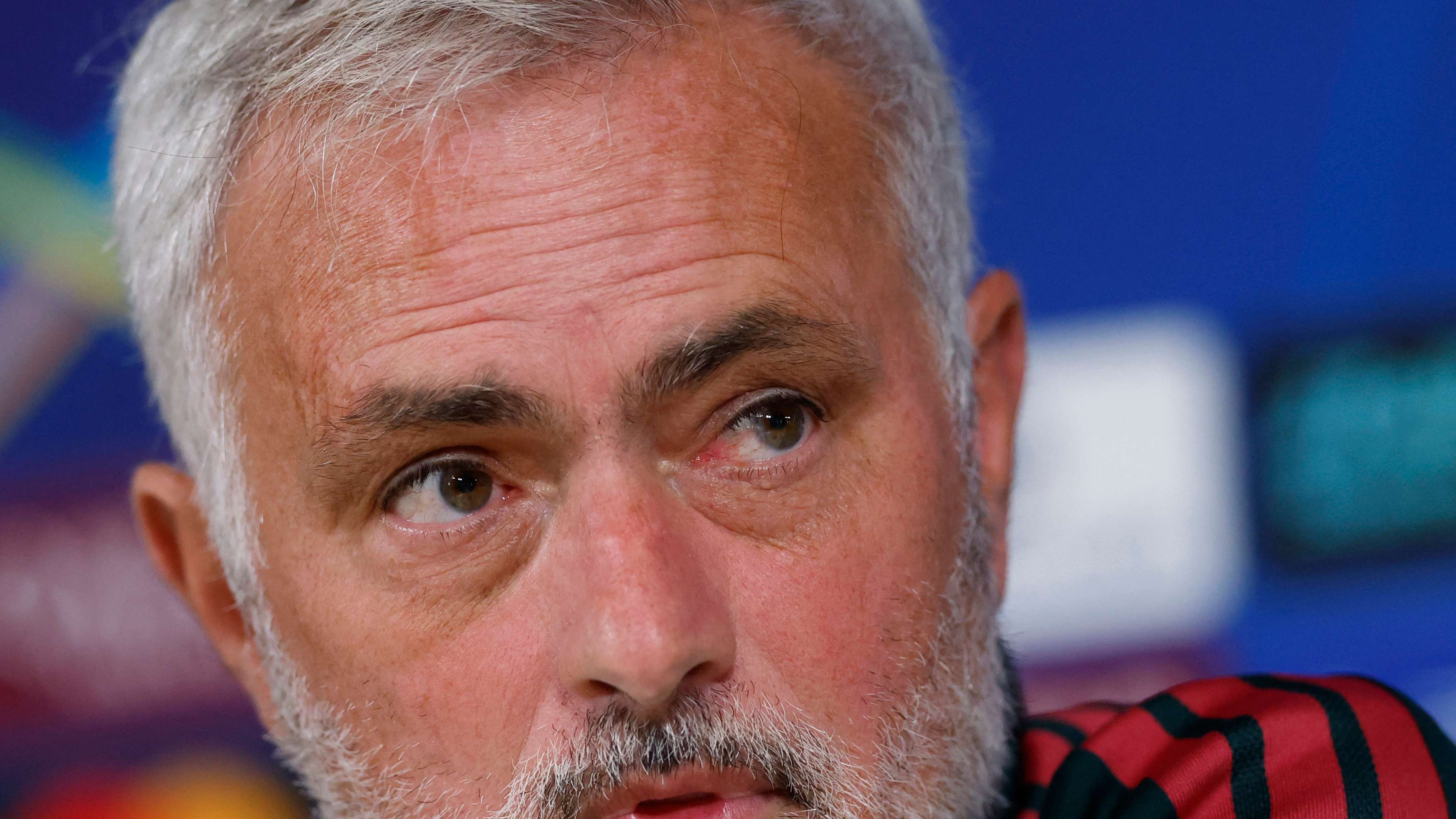
A report by Spanish newspaper Mundo Deportivo has raised questions about how José Mourinho’s post-match comments were presented after Real Madrid faced Racing Santander. The outlet suggested that the Madrid coach had admitted Kylian Mbappé’s first-half penalty should not have been awarded. However, other Spanish media reports—and Real Madrid’s published press-conference transcript—indicate that Mourinho was discussing a separate penalty incident involving Aurélien Tchouaméni.
The distinction matters. The match featured two major penalty controversies, one for each side, and Mourinho’s remarks appear to have concerned the decision that went Racing’s way before VAR overturned it. Confusing the incidents changes the meaning of his answer and could leave readers with the impression that he conceded Real Madrid benefited from an incorrect call.
What Mundo Deportivo Reported
Mundo Deportivo published a headline stating that Mourinho had said the decision to award Mbappé a penalty was “clearly not” correct. Its report attributed to him a comment that he had initially been calm because he was too far away to see the incident, but after watching a replay on a tablet, he had concluded that the penalty should not have been given if the video referee was paying attention.
Presented in that context, the quote suggested Mourinho believed Matteo Prati’s challenge on Mbappé did not justify a spot-kick. That would have been a significant admission from the Real Madrid manager, particularly because the penalty gave his side an opportunity to take the lead and became one of the game’s most disputed moments.
Yet other coverage places the same remarks in a different exchange. That discrepancy has made the story less about the referee’s decisions themselves and more about the importance of accurately identifying which incident a coach is addressing.
Other Spanish Reports Point to the Tchouaméni Incident
Another Catalan newspaper, Sport, reported that Mourinho’s comments referred to Racing’s second-half penalty appeal. The spot-kick was initially awarded after the ball struck Tchouaméni’s hand, but the referee reviewed the footage and cancelled the decision.
According to Sport’s account, Mourinho defended the reversal by explaining that the ball had bounced off Tchouaméni’s own body before hitting his hand. His point was that the contact did not warrant a penalty under the circumstances—not that Mbappé’s first-half penalty was invalid.
Spanish newspaper AS also provided context by publishing the question put to Mourinho, which covered both penalty incidents. Its report said the coach did not offer a direct verdict on the Mbappé decision, instead focusing his response on the Tchouaméni handball and the VAR intervention.
Real Madrid’s official website published a full transcript of the press conference as well. The relevant passage appeared under a heading about Racing’s protests. In that exchange, Mourinho referred to Tchouaméni, described the ball’s movement from the defender’s body to his hand, and then made his remark about the video referee. The surrounding text therefore supports the interpretation that he was talking about Racing’s overturned penalty.
Two Incidents, Two Different VAR Questions
The match’s sequence helps explain why the distinction may have become muddled. Mbappé won a first-half penalty following a collision with Racing defender Matteo Prati. Real Madrid converted the opportunity, while Racing players and staff protested that the contact was not sufficient to justify a foul.
After the break, Racing had a penalty awarded when the ball struck Tchouaméni’s hand. A VAR review prompted the referee to reverse the decision. Replays appeared to show the ball reaching the defender’s hand after coming off his own foot or body as he attempted to play it.
These were separate decisions, involving different players, teams and stages of the match. Mourinho’s reported explanation about the ball bouncing off Tchouaméni is directly connected to the second incident. That detail is central to understanding his answer and assessing whether a headline or article accurately reflects what he said.
How a Quote’s Context Can Change the Story
In football coverage, short post-match quotes are often used to summarise complicated exchanges. But when a match contains multiple controversial calls, trimming an answer or attaching it to the wrong incident can substantially alter its meaning. A comment that supports a VAR reversal may appear to be an admission about an entirely different penalty if the surrounding question and explanation are omitted.
For fans following the debate, the most reliable approach is to compare headlines with full transcripts and reports that include the question asked. This is especially useful when a dramatic claim—such as a manager conceding that his own team received an undeserved penalty—depends on a brief quotation. The wording may be accurate in isolation while the framing still creates a misleading impression.
The episode also highlights the role of VAR in modern football discussions. Video review can clarify whether contact occurred, but decisions still depend on the laws of the game and the specific circumstances of an incident. A handball following a deflection from a player’s own body, for example, is not automatically treated the same way as a deliberate or avoidable movement toward the ball. That is why a coach’s explanation of one review cannot safely be applied to another penalty incident.
Mistake, Misleading Framing or Deliberate Reporting?
The available accounts raise a legitimate question about whether Mundo Deportivo mixed up the two incidents or framed Mourinho’s words in a way that overlooked their context. However, the evidence presented does not establish that the newspaper acted deliberately or in bad faith. A discrepancy between a headline and a transcript can justify scrutiny without proving intent.
The outlet’s Catalan identity and its coverage of the rivalry between Barcelona and Real Madrid may add sensitivity to the discussion, but editorial perspective alone is not evidence that a quote was knowingly distorted. The fairest assessment is to focus on the record: Sport, AS and Real Madrid’s transcript all connect Mourinho’s explanation to the Tchouaméni decision, while Mundo Deportivo presented it as a comment about Mbappé’s penalty.
What the Controversy Means for the Match Debate
For supporters searching for a clear football prediction or verdict on the match’s refereeing, this story offers a reminder that dramatic headlines are not a substitute for context. Mourinho’s remarks, as documented in the full exchange, appear to defend the cancellation of Racing’s penalty rather than concede that Real Madrid’s earlier spot-kick was wrong.
The debate over Mbappé’s penalty remains a separate question, one that should be judged through the footage, the referee’s decision and the relevant rules—not through a quote seemingly directed at another incident. Until further clarification emerges, readers should treat the competing reports cautiously and distinguish between what Mourinho said about Tchouaméni and what he did, or did not, say about Mbappé.