
Sarina Wiegman Extends England Contract Through 2029
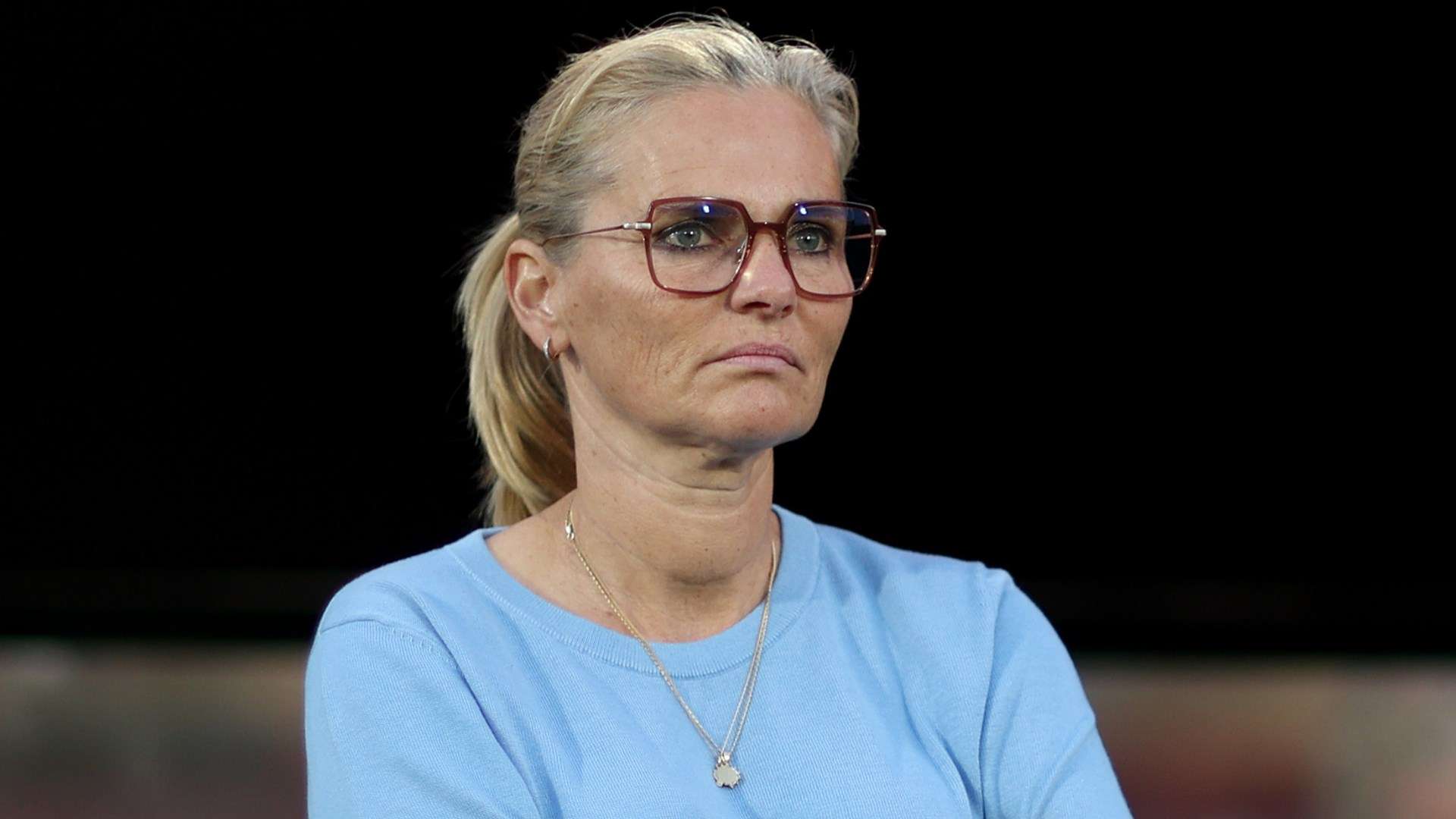
England have confirmed that head coach Sarina Wiegman will remain in charge of the women’s national team beyond the 2027 FIFA Women’s World Cup in Brazil. The 56-year-old Dutch coach has signed a two-year contract extension, keeping her with the Lionesses until 2029 and providing continuity as the team prepares for its next major tournaments.
The announcement reinforces the Football Association’s confidence in a manager who has delivered historic success since taking charge in 2021. Under Wiegman, England have won the last two UEFA European Women’s Championships, establishing the Lionesses as one of the leading teams in international football. Her new deal means she will guide the squad through the next World Cup cycle and remain in place as England builds towards the competitions that follow.
A Record of Success with the Lionesses
Wiegman’s England tenure has been defined by consistency, composure and results on the biggest stages. The Lionesses won the European Championship on home soil in 2022, securing the country’s first major senior women’s football trophy. They then successfully defended their title at the 2025 tournament, becoming the first England team to win consecutive European Championships.
Those achievements have strengthened Wiegman’s reputation as one of the most successful coaches in the women’s game. Her teams are known for disciplined organisation, clear tactical roles and the ability to respond under pressure. England have also shown they can adapt to different opponents and match situations, qualities that are essential in knockout football, where a single moment can decide a tournament.
Success has not depended on one player or one style of attack. Wiegman has overseen the development of a squad combining experienced internationals with younger players competing for places. That balance gives England a deeper pool of options and helps the team manage the demands of a long campaign, including injuries, changes in form and the quick turnaround between matches.
What the Contract Extension Means
Keeping a head coach in place for a defined period can offer significant advantages for a national team. International sides have limited time together compared with club teams, so continuity in coaching, tactics and preparation can be especially valuable. Wiegman’s extension gives England a stable leadership structure as players and staff focus on qualification, selection and preparation for the 2027 World Cup.
The agreement also signals that the FA wants to build on recent success rather than make a change after a major tournament. A new contract does not guarantee future trophies, but it allows the coaching team to plan with greater certainty. England can continue developing its footballing identity, assess emerging talent and prepare players for the demands of elite international competition without an immediate change at the top.
For supporters, the news offers reassurance that the manager who has guided the Lionesses through two European title campaigns will lead the next chapter. For the players, it means a familiar environment and a clear technical direction as competition for national-team places intensifies.
England’s Road to the 2027 World Cup
The next major challenge is the 2027 FIFA Women’s World Cup in Brazil. The tournament will bring together the world’s strongest national teams and present a very different test from the European Championship. England will need to navigate a demanding qualification and preparation period before facing opponents from across the globe, each with distinct playing styles and strengths.
World Cup football places particular emphasis on squad depth and adaptability. Teams may encounter different climates, travel demands and match conditions, while the tournament schedule leaves little time to recover from setbacks. England’s recent experience in high-pressure competitions should help, but past success alone will not be enough. The Lionesses will need to maintain their standards, keep key players fit and find ways to improve against opponents who will study their approach closely.
Wiegman’s contract extension gives her time to shape that preparation. Her priorities are likely to include strengthening competition across every position, integrating younger players into the senior squad and ensuring England can vary its approach when a match does not unfold as planned. Those details can prove decisive in a tournament prediction, where small tactical adjustments often separate contenders from champions.
Building for the Next Generation
While the 2027 World Cup is the immediate focus, the deal through 2029 also points to a longer-term plan. Sustained success depends on more than the starting eleven: it requires a strong pathway from youth football to the senior team, regular opportunities for promising players and a culture that supports high performance over time.
England’s recent achievements have raised expectations, making succession planning and squad renewal increasingly important. Established players will continue to provide leadership, but emerging talent must be ready to contribute when opportunities arise. Wiegman’s challenge will be to preserve the qualities that have made England successful while refreshing the squad as the international calendar evolves.
The extension also gives the FA a chance to maintain alignment between the national team and the wider development of women’s football in England. As participation, investment and audience interest continue to grow, the Lionesses remain a prominent symbol of the sport’s progress. Their performances can inspire new players and attract more attention to the domestic game.
Expectations, Pressure and the Road Ahead
Back-to-back European titles have raised the bar for England. Supporters will naturally hope the team can challenge for honours at the World Cup, but international football is highly competitive, and even the strongest sides face difficult periods. Wiegman’s record provides a reason for confidence, not a guarantee of future results.
The coming years will test England’s ability to evolve. Rivals will look for ways to disrupt the Lionesses’ strengths, while the squad will need to respond to changes in personnel and form. Maintaining defensive discipline, creating chances against compact opponents and managing pressure in close matches will all be central to the team’s prospects.
For now, the message from the FA is clear: England believe Wiegman is the right person to lead the team into its next era. Her extension through 2029 secures continuity after a remarkable run of success and gives the Lionesses a settled platform for the Brazil World Cup and beyond. The next chapter will bring fresh challenges, but England will approach it with the same coach who has already guided them to the top of European football.