
Youssef En-Nesyri’s Goal Celebration Sparks Debate After Al Ittihad’s Defeat to Al Hilal
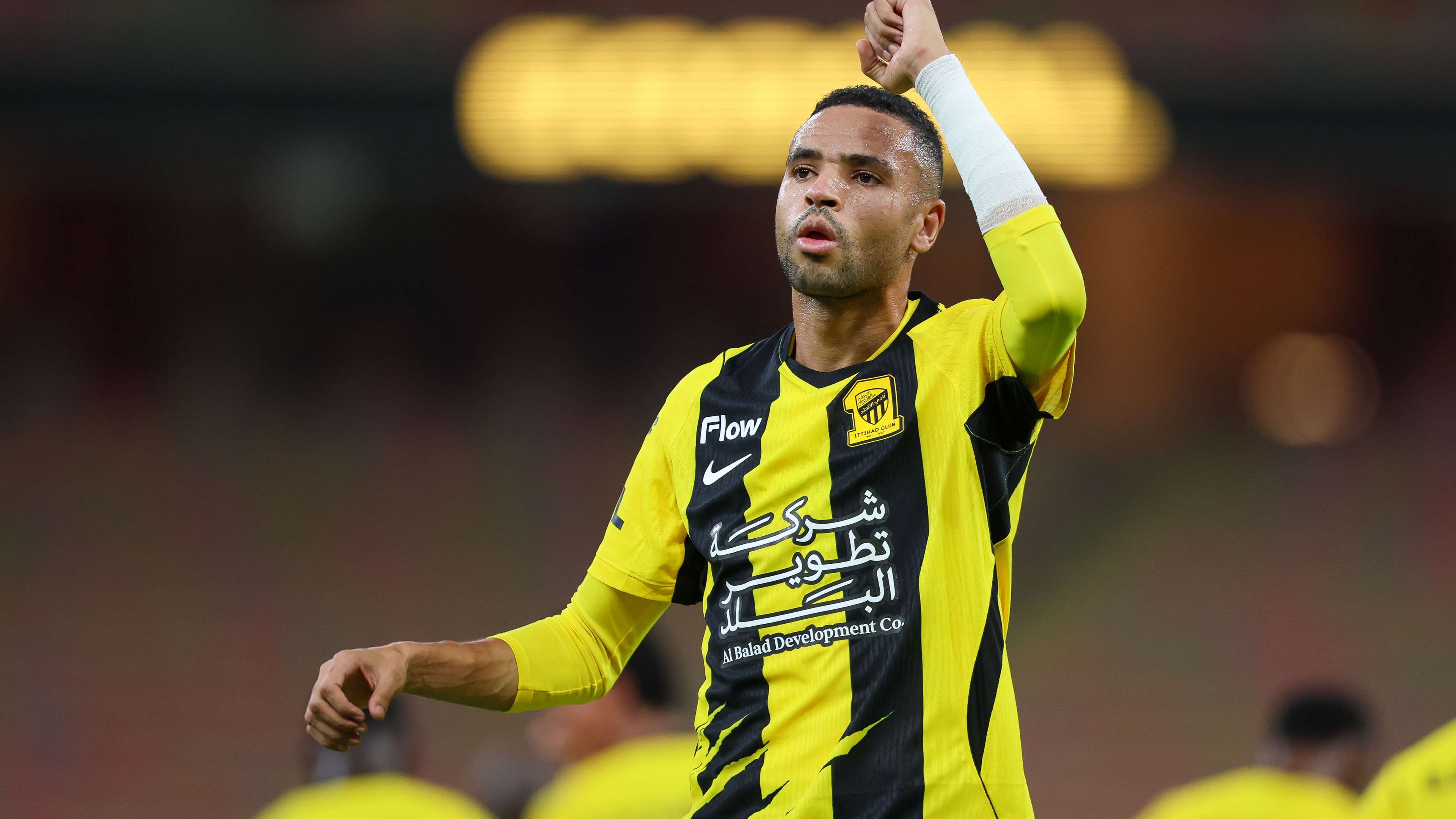
A moment of friendship became one of the most discussed scenes of a fiercely contested Saudi Pro League football match. Youssef En-Nesyri, Al Ittihad’s Moroccan striker, declined to celebrate after scoring against Al Hilal. Instead, he crossed the pitch to embrace his compatriot Yassine Bounou, the Riyadh club’s goalkeeper.
The gesture came during the eighth-round clasico of the Saudi Roshn League, a fixture watched closely by supporters across the region. While some fans saw a sincere display of respect between two long-time friends and international teammates, others questioned whether such a warm reaction was appropriate in the middle of a heated rivalry. The debate intensified after Al Ittihad went on to lose 3-2.
A Powerful Goal, Followed by an Unexpected Celebration
En-Nesyri’s goal arrived in the 22nd minute, when the forward unleashed a powerful shot that beat Bounou. It was a striking finish and, at that point in the match, Al Ittihad’s only response. Yet the goal itself quickly became secondary to what happened next.
Rather than turn toward the Al Ittihad supporters to celebrate, En-Nesyri made his way to Bounou. The two Moroccans shared an embrace, offering a brief but unmistakable reminder that the players on opposite sides of a club rivalry can have a close personal connection. For viewers, the scene added an emotional dimension to a match otherwise defined by pressure and competition.
En-Nesyri and Bounou have represented Morocco together, and their shared experience in the national team helps explain the familiarity between them. At club level, however, they were facing one another in a high-profile contest with important points at stake. That contrast—national teammates and personal friends on opposing sides—made the moment especially visible.
Why the Gesture Divided Supporters
Reactions reflected different expectations of what a player should show during a major football match. Many fans praised En-Nesyri for acknowledging the goalkeeper rather than treating him simply as an opponent. In their view, the embrace was a spontaneous act of sportsmanship, not a sign that the striker was taking the game lightly.
Others were less comfortable with the timing. They argued that a forward scoring in a clasico should first share the moment with his own teammates and supporters, particularly when his club was still fighting to change the result. For those critics, the gesture appeared to give an opponent attention at a moment when Al Ittihad needed visible commitment and momentum.
The disagreement also highlights how celebrations are interpreted differently depending on the match situation. A quiet response to a goal can be read as respect, restraint or a lack of emotion. When the scorer embraces a rival, the image can become a talking point that outlasts the goal itself—especially if the team later loses.
The 3-2 Result Changed the Conversation
Al Ittihad’s eventual 3-2 defeat gave the post-goal embrace a sharper edge for some supporters. Had the result gone the other way, the same scene might have been remembered mainly as a touching example of camaraderie. Instead, the loss encouraged debate about whether En-Nesyri’s reaction matched the urgency of the occasion.
That criticism should be considered alongside the match’s broader context. A single celebration rarely determines the outcome of a game, and an embrace does not, by itself, demonstrate a player’s commitment. The result was shaped by what happened across the full contest, including the teams’ attacking decisions, defensive organisation and ability to respond to pressure.
Still, football is as much about emotion and symbolism as it is about tactics. Supporters invest deeply in their clubs, and they often look to players’ body language for signs of belief. In a derby-like fixture, even a few seconds can be interpreted as a statement about loyalty, focus or respect.
What the Moment Says About Modern Football
The incident reflects a familiar tension in modern football: players are expected to compete fiercely for their clubs while maintaining relationships formed through national teams and years of shared experience. International football brings teammates together; domestic leagues can then place them on opposite sides of some of the sport’s most intense matches.
For Moroccan supporters, the embrace also carried a national dimension. En-Nesyri and Bounou are prominent figures in Morocco’s football story, so seeing them acknowledge each other offered a reminder that club rivalries do not erase their connection as teammates. At the same time, fans of Al Ittihad were entitled to expect their striker to remain fully focused on the club’s immediate challenge.
Both interpretations can coexist. En-Nesyri may have intended to show respect to a friend, while some supporters may reasonably have wanted a more conventional celebration. The available moment does not settle questions about his wider attitude or performance; it simply captures the complicated emotions that football can bring to the surface.
Prediction: Attention Turns to the Response
After a high-profile loss, the most useful measure of a team’s character is often its response in the next match. Al Ittihad will need to put the result behind them, review the areas that contributed to the defeat and regain consistency. En-Nesyri, meanwhile, will be judged primarily on his contribution in upcoming fixtures: his movement, finishing, work rate and ability to help the team create chances.
Any prediction about how the debate will develop depends on what happens next. A strong performance from En-Nesyri could quickly shift attention back to his football, while another difficult result may keep scrutiny on the squad and its most visible players. For now, the embrace remains a small but revealing episode in a dramatic Saudi Pro League clasico.
Ultimately, the scene was not simply about a goal or a celebration. It brought together friendship, national pride, club loyalty and the high expectations that come with elite football. Whether supporters viewed it as sportsmanship or misplaced emotion, En-Nesyri’s decision to console Bounou ensured that one brief gesture became one of the match’s defining talking points.