
Egypt’s Football Triumph: Hossam Hassan Addresses Absence of Captain Mohamed Salah After 5-0 Victory Over South Sudan
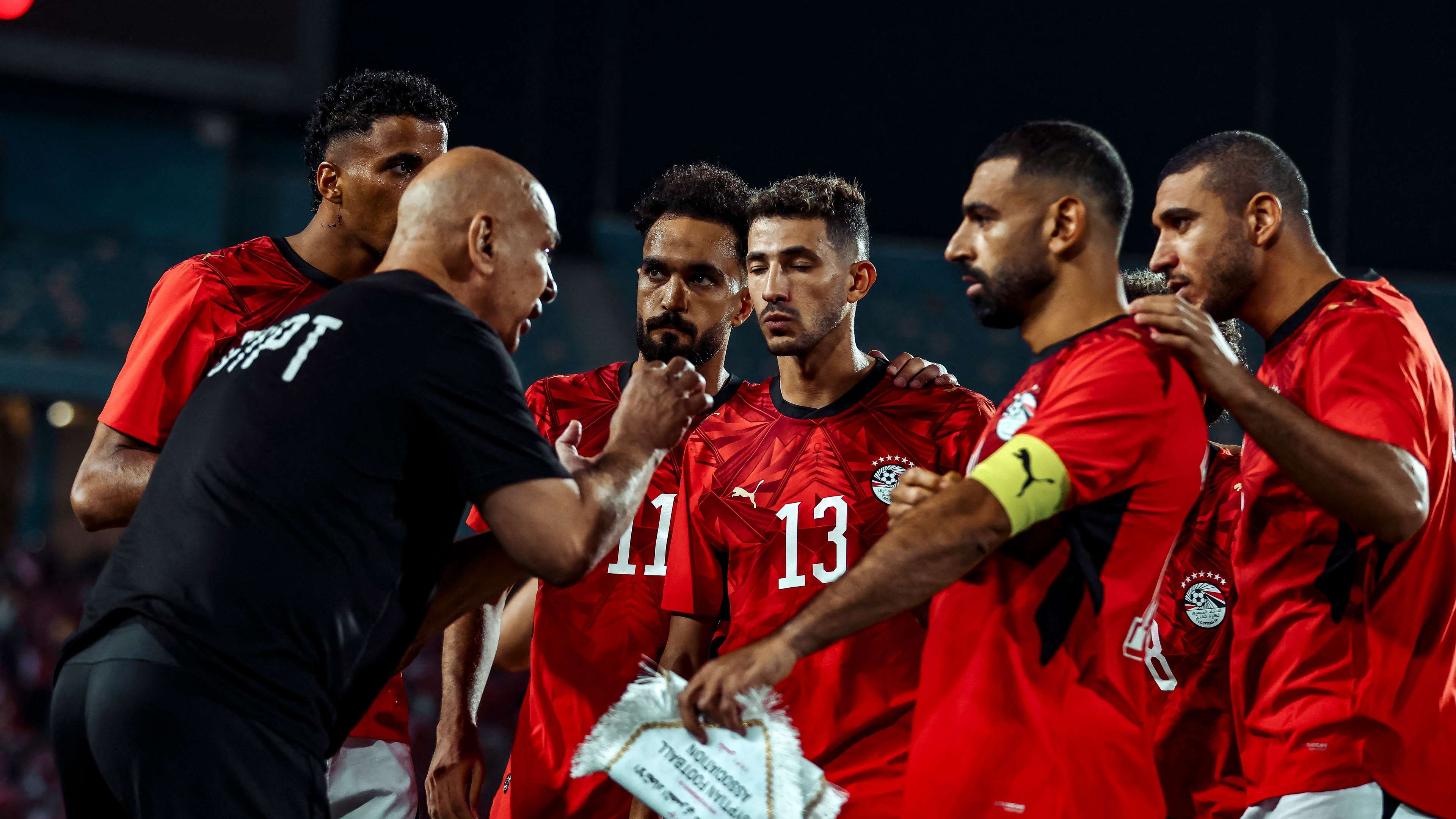
In a commanding display of football prowess, Egypt’s national team secured a resounding 5-0 victory against South Sudan in the second round of the 2027 Africa Cup of Nations (AFCON) qualifiers. The match, held on a challenging pitch and under demanding weather conditions, showcased Egypt’s resilience and tactical strength. However, the post-match spotlight was not only on the impressive scoreline but also on the absence of the team’s star captain, Mohamed Salah. Egypt’s head coach, Hossam Hassan, took the opportunity to shed light on Salah’s absence and reflect on the team’s overall performance, offering fans and football enthusiasts fresh insights into the dynamics of Egyptian football.
Understanding Mohamed Salah’s Absence: Personal Reasons or Tactical Choice?
Initially, the Egyptian Football Association (EFA) issued a statement explaining that Mohamed Salah would miss the South Sudan clash due to the artificial (tartan) pitch, which was believed to be unsuitable for his playing style. Such explanations, often standard in international football, aimed to manage expectations and maintain a unified team image. Nevertheless, in the immediate aftermath of the match, Hossam Hassan revealed a different perspective during the post-game press conference.
Hossam Hassan clarified: “Salah missed the match for personal reasons.” This candid statement sparked curiosity among fans and pundits alike about the true circumstances behind Salah’s absence. While the official reason was related to the pitch, Hassan’s comments suggest a more nuanced situation, possibly involving personal health, family matters, or other off-field considerations that necessitated Salah’s absence from the game.
The Significance of Mohamed Salah for Egypt’s Football Prediction and Future Campaigns
As one of Africa’s most renowned footballers and a global icon, Mohamed Salah’s presence on the field often influences predictions for Egypt’s success in upcoming matches and tournaments. His absence inevitably raises questions about the team’s immediate prospects and long-term strategies. Experts in football prediction models often factor in Salah’s contributions when assessing Egypt’s chances in AFCON qualifiers and World Cup campaigns.
Despite his absence, the Egyptian team demonstrated remarkable depth and cohesion, emphasizing the strength of their squad beyond individual stars. Hassan emphasized that the national team’s success does not hinge solely on Salah, reinforcing the importance of collective effort and strategic planning in football prediction models. This approach aligns with modern football tactics, which increasingly prioritize team dynamics over reliance on single players.
Hossam Hassan’s Tactical Vision and Team Development
Hossam Hassan, one of Egypt’s most celebrated football figures both as a player and as a coach, highlighted the challenges faced by the team during the early stages of the qualifiers. The recent draw against Angola, which ended goalless, was attributed to insufficient preparation time—an issue common in international football, especially amid congested schedules and evolving league commitments.
“The players were not sufficiently ready, especially with the start of the Egyptian league,” Hassan admitted. “But our performance was not bad, and we are continuously working to improve.” This acknowledgment underlines the importance of consistent training and strategic planning in soccer prediction, where team readiness and match fitness are critical factors.
Building a Strong Core for Egypt’s Football Future
Hassan stressed that his focus remains on developing a resilient, adaptable squad capable of competing at the highest levels. “My duty is to work with the loyal players who are present, to build a strong core for the Egypt national team,” he stated. This approach aims to nurture emerging talent and create a sustainable football ecosystem that can endure beyond individual stars like Salah.
Furthermore, Hassan’s leadership philosophy emphasizes resilience and collective strength—key elements in football prediction analyses that project team performance in future tournaments. His emphasis on teamwork over individual reliance signals a strategic shift towards a more balanced and sustainable football model for Egypt.
Overcoming Challenges: Conditions, Weather, and Match Control
The match against South Sudan was marked by external factors that tested the team’s adaptability. The artificial pitch and challenging weather conditions, including high temperatures and humidity, could have negatively impacted performance. However, Hassan praised his players for their ability to control the game and capitalize on opportunities.
“The factors of the pitch and the weather affected us, but we showed our strength and controlled the match,” Hassan explained. This resilience is a positive indicator for football prediction experts assessing Egypt’s capacity to perform in diverse environments across Africa and beyond. Teams that demonstrate adaptability under adverse conditions often have better prospects in knockout stages and high-stakes tournaments.
Strategic Insights for Football Prediction Enthusiasts
From a strategic perspective, Egypt’s recent performances—especially the decisive 5-0 win—offer valuable insights for football prediction enthusiasts. A comprehensive analysis considers not only the scoreline but also factors such as team cohesion, resilience under pressure, and tactical adaptability. Egypt’s ability to dominate despite external challenges suggests a strong foundation for upcoming fixtures.
Moreover, the depth of the squad, the tactical flexibility displayed, and the leadership of coach Hassan contribute to optimistic forecasts for Egypt’s future in AFCON qualifiers. While the absence of Salah might affect short-term predictions, the team’s collective strength and strategic focus enhance their long-term prospects.
Looking Ahead: What the Future Holds for Egyptian Football
As Egypt prepares for subsequent qualifiers and international tournaments, the emphasis remains on building a resilient team capable of competing at the highest levels. The football community remains optimistic about the development of young talent, the tactical evolution under Hassan’s guidance, and the team’s ability to adapt to diverse challenges.
For football fans and prediction analysts, Egypt’s current trajectory suggests a promising future, provided the team continues to focus on collective strength, tactical discipline, and resilience. The upcoming matches will serve as critical indicators of the team’s progress and their ability to live up to their footballing legacy.
The Role of Fans and Supporters in Egypt’s Football Journey
Supporters play a vital role in motivating the team, especially during challenging periods. The collective spirit and national pride fuel the players’ determination to succeed. As Hassan mentioned, “We must give our utmost effort to make the entire Egyptian people happy.” This unity and shared passion are essential ingredients in Egypt’s football prediction models, which often factor in fan support as a variable influencing team morale and performance.
Conclusion: A Bright Future for Egypt’s Football on the Horizon
Egypt’s recent 5-0 victory over South Sudan signifies more than just a positive result; it reflects the resilience, tactical maturity, and strategic vision of the Egyptian national team. While the absence of Mohamed Salah drew attention, the team’s collective strength and Hassan’s leadership have demonstrated that Egyptian football remains a formidable force in Africa and beyond. As the qualifiers continue, football prediction experts will be closely watching Egypt’s development, confident that the team’s foundation is solid for future success.
With a blend of experienced leadership, emerging talent, and unwavering national support, Egypt’s football journey looks promising. Fans and analysts alike can look forward to more exciting matches, strategic evolution, and the continued rise of Egyptian football on the continental and world stage.