
Fawzi Lekjaa Reportedly Plans to Step Down as CAF Finance Committee President
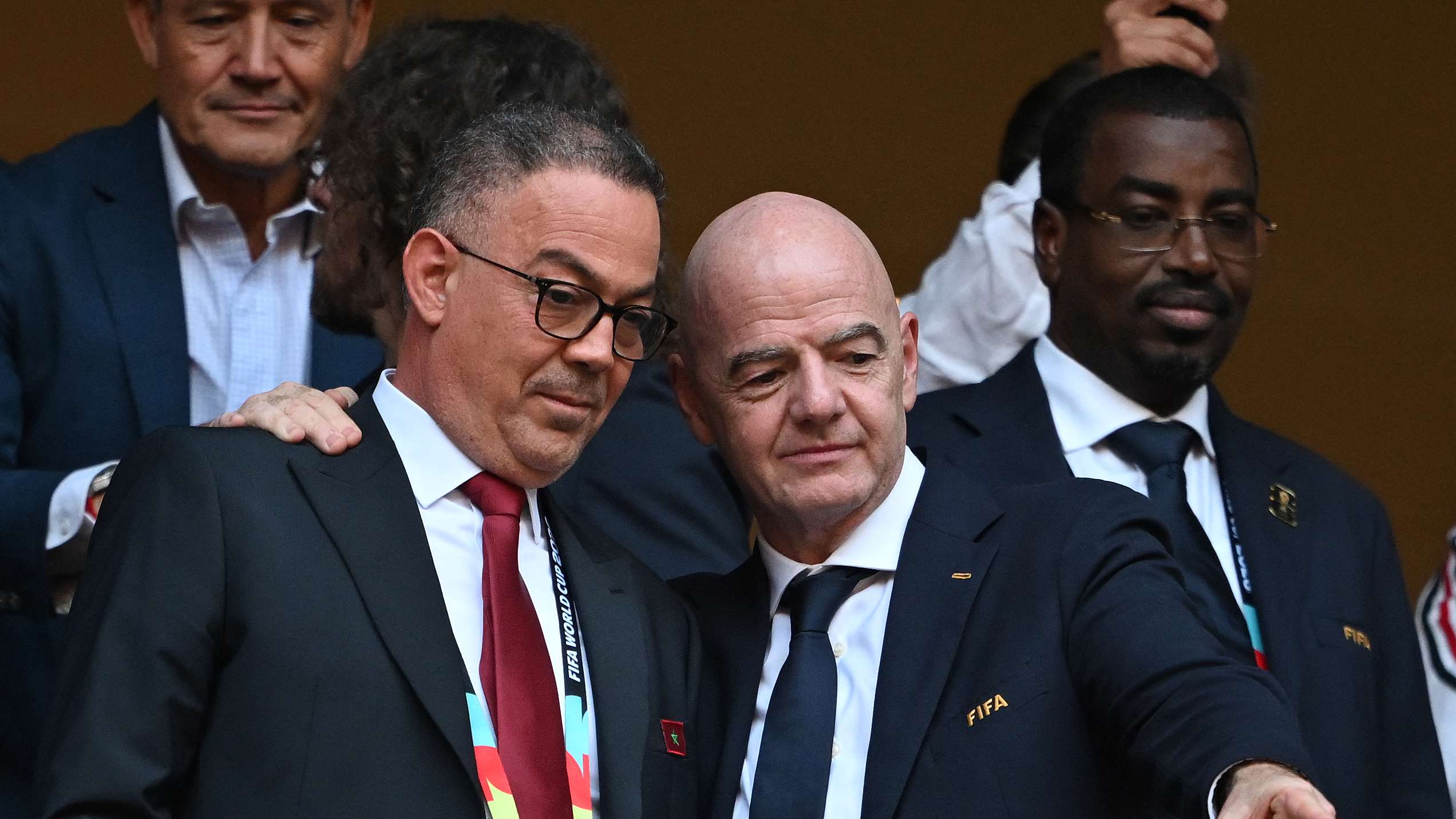
Moroccan football official Fawzi Lekjaa is reportedly preparing to leave his position as president of the Confederation of African Football’s (CAF) finance committee, in a possible reshuffle of his responsibilities within the continental governing body. The move would mark a change in one of his most influential roles in African football, but it would not mean his departure from CAF’s leadership.
According to Moroccan outlet Hesport, Lekjaa has decided to step aside because of the demanding workload attached to overseeing CAF’s financial affairs. The position involves regular travel, close monitoring of complex administrative files and sustained attention to the organisation’s budgets and financial priorities. Those commitments, the report suggests, have prompted him to reconsider how he allocates his time.
A change in responsibilities, not an exit from CAF
If the reported decision goes ahead, Lekjaa is expected to retain his role as CAF’s first vice-president. That distinction is significant: stepping down from the finance committee presidency would reduce one part of his workload without removing him from the organisation’s senior leadership structure.
CAF’s finance committee plays an important role in reviewing budgets, monitoring expenditure and supporting financial oversight across the organisation. Its work can affect the resources available for competitions, development programmes and administrative operations. A change at the top of the committee could therefore attract attention from football stakeholders across Africa, particularly as the governing body continues to manage a wide range of sporting and commercial priorities.
However, the reported reshuffle should not be taken as evidence that Lekjaa is withdrawing from continental football. Remaining first vice-president would allow him to continue contributing to CAF’s executive leadership while potentially giving him more room to focus on other responsibilities.
Morocco’s football priorities in focus
The reported decision is also linked to Lekjaa’s commitments in Morocco, where he holds prominent responsibilities in sport and government. The country is preparing for a major role in the 2030 FIFA World Cup, which Morocco will co-host with Spain and Portugal. That project involves long-term planning across stadiums, transport, accommodation, public services and the wider visitor experience.
Hosting a World Cup is a substantial undertaking, and preparations extend well beyond match venues. Organisers must coordinate infrastructure projects, establish operational plans and work with national and international partners. The scale of the task may help explain why Lekjaa is reportedly seeking to reorganise his schedule and concentrate more closely on domestic priorities.
For Moroccan football, the 2030 tournament represents both an opportunity and a challenge. It can strengthen the country’s international profile and support investment in sporting facilities, while requiring careful management and cooperation across multiple sectors. Lekjaa’s reported effort to make more time for these preparations reflects the importance attached to the event, although the precise impact of any change to his CAF duties remains unclear.
What Lekjaa brought to CAF’s financial work
During his time leading the finance committee, Lekjaa gained experience with some of CAF’s most important administrative and financial matters. The original report credits him with working on governance and financial balance, encouraging more disciplined spending and seeking to strengthen the organisation’s revenue base.
Such responsibilities are central to the long-term health of a sports governing body. Financial oversight can help ensure that income is managed responsibly and that available funds support competitions and development rather than being absorbed by avoidable costs. At the same time, organisations such as CAF must balance financial discipline with the need to invest in football across a continent with varied infrastructure and development needs.
That balance is especially important as African football seeks to grow its global reach. Stronger commercial partnerships, well-managed competitions and transparent financial practices can help create more resources for national associations, clubs, players and grassroots programmes. The finance committee’s work is therefore not simply administrative; it can influence the conditions in which football develops throughout Africa.
Why the reported move matters for African football
A leadership change at the finance committee could lead to questions about who will take over and whether CAF’s financial priorities will change. At this stage, however, no successor or detailed transition plan has been identified in the information reported by Hesport. Until CAF or Lekjaa confirms the development, the situation should be treated as a reported intention rather than a formally announced change.
For supporters and observers looking for a prediction about what comes next, the clearest indication is that Lekjaa is expected to remain involved at the highest level of CAF. His continued presence as first vice-president would provide leadership continuity, even if responsibility for the committee’s day-to-day financial oversight passes to another official.
The broader significance may lie in how CAF distributes its workload among senior figures. Large sporting organisations depend on leaders who can devote sufficient attention to specialised roles, particularly when those roles involve budgets, governance and oversight. A reallocation of responsibilities could allow the finance committee to receive focused leadership while enabling Lekjaa to give more time to Morocco’s domestic sporting agenda and its preparations for 2030.
For now, the reported plan points to a carefully defined adjustment rather than a dramatic break with African football. Lekjaa may be preparing to relinquish one demanding post, but he is expected to keep his place in CAF’s executive leadership. If confirmed, the decision would reflect an effort to balance continental responsibilities with the growing demands of Morocco’s World Cup preparations.