
Jose Mourinho’s Enduring Legacy: Does the ‘Special One’ Still Hold the Key to Real Madrid’s Future?
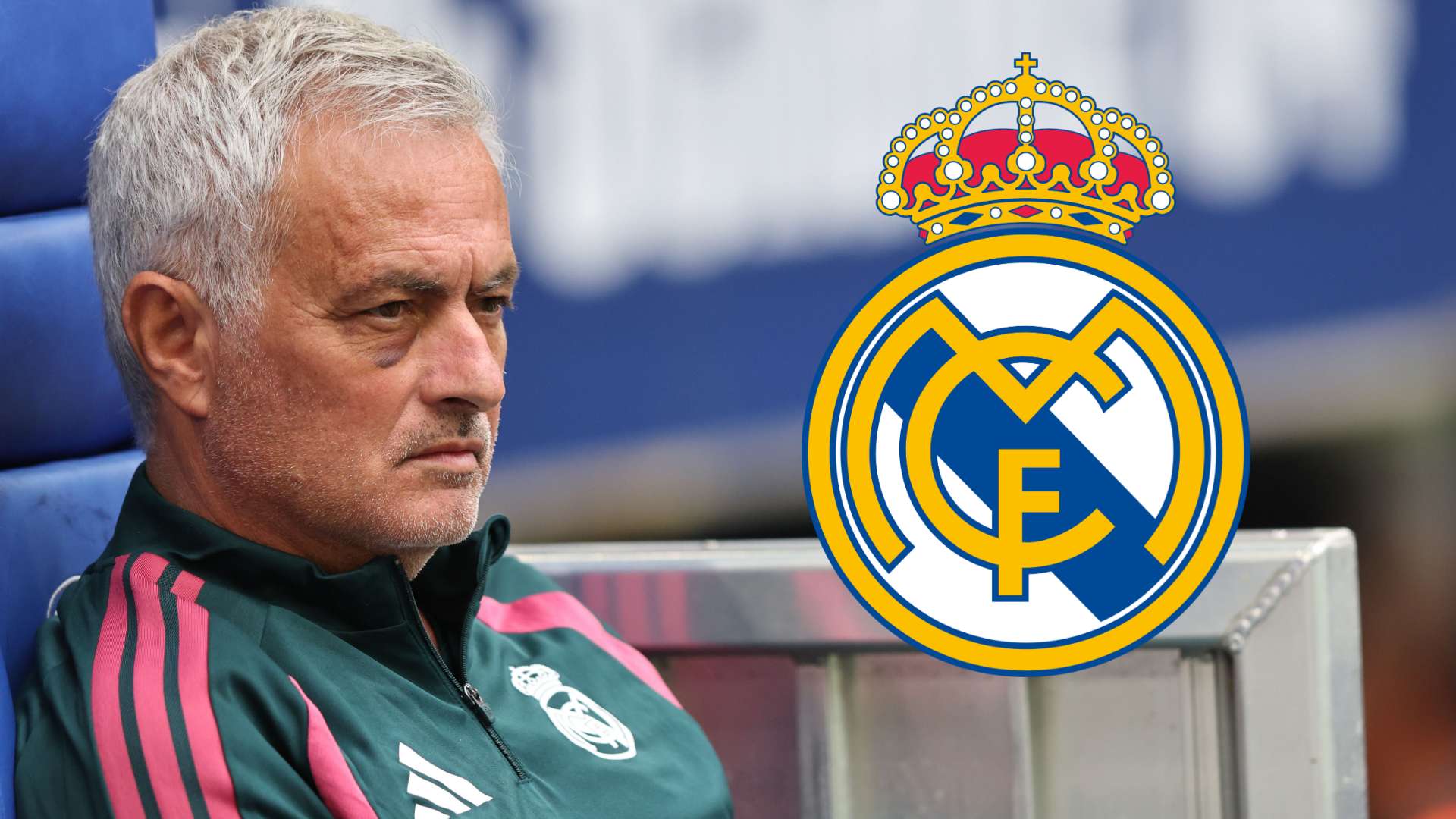
Few figures in the world of football evoke as much admiration, controversy, and respect as Jose Mourinho. Known globally as the ‘Special One,’ Mourinho’s coaching career has been defined by his tactical acumen, charismatic personality, and an uncanny ability to deliver results at the highest levels. From Porto to Chelsea, Inter Milan, and Real Madrid, Mourinho’s journey has been marked by both triumphs and challenges, leaving an indelible mark on the sport’s history.
As speculation swirls about Mourinho’s potential return or influence at top European clubs, particularly at Real Madrid, questions arise: Does Mourinho still possess that unique brand of magic that made him one of the most successful managers of his generation? And, more specifically, what role could he play at Santiago Bernabeu to help elevate Los Blancos to new heights? Recent insights from Carlton Cole, a former Chelsea teammate of Mourinho, shed light on why Madrid might benefit from a more nuanced approach—one that emphasizes mentorship and leadership rooted in familiarity and trust rather than just authority.
The ‘Special One’: A Legacy Carved in Triumphs and Controversies
Jose Mourinho’s reputation as the ‘Special One’ was first cemented during his debut season at Chelsea in 2004-2005, where he led the London club to their first top-flight league title in 50 years. The moniker was more than just a catchy nickname; it symbolized his confidence, tactical innovation, and relentless pursuit of excellence. Over the years, Mourinho proved his prowess across multiple leagues, securing domestic titles and Champions League victories with Porto, Inter Milan, and Real Madrid.
His tenure at Madrid, in particular, was marked by intense rivalry, high-stakes matches, and a desire to restore the club’s European dominance. While his time there was successful, it was also fraught with tension and controversy—stylized by his outspoken nature and sometimes abrasive leadership style. Today, as Madrid seeks to reclaim its status atop European football, questions about Mourinho’s management style and whether he can adapt to modern football’s evolving landscape are more relevant than ever.
Is Mourinho Still the Right Fit for Real Madrid?
Understanding the Modern Football Landscape
In the contemporary football arena, success is increasingly driven by a blend of tactical flexibility, player development, and emotional intelligence. Clubs look for managers who can foster team cohesion, motivate star players, and adapt strategies dynamically during matches. Mourinho’s reputation as a demanding and outspoken leader has sometimes been viewed as a double-edged sword—delivering results but also risking player morale.
At the same time, Real Madrid’s recent challenges suggest that the club might need a different approach—one that balances authority with mentorship. With a squad brimming with young talents like Kylian Mbappe and Jude Bellingham, the club’s leadership needs to cultivate a nurturing environment that encourages growth, resilience, and unity.
Carlton Cole’s Perspective: The Power of Familiarity and Mentorship
Carlton Cole, the former Chelsea striker and teammate of Mourinho, recently shared insights with GOAL on what Madrid might require from a coaching figure. He emphasized that having a familiar face—someone who understands the club’s culture and the individual personalities within the squad—can be invaluable. According to Cole, Madrid should look beyond just tactical expertise; they need a figure who can serve as a “father figure” to young stars like Mbappe and Bellingham.
“Madrid doesn’t just need a coach who commands from the sidelines,” Cole explained. “They need someone who can connect on a personal level, who can guide these talented players not just in football tactics but also in handling the pressures and expectations of a club like Real Madrid. Mourinho’s experience and understanding of high-pressure environments could be a significant asset if channeled correctly.”
The Role of a ‘Father Figure’ in Modern Football Leadership
Beyond Tactical Mastery: Building Relationships
In the age of data analytics and tactical innovations, leadership in football extends far beyond formations and set-piece routines. The emotional and psychological aspects of managing a squad are crucial, especially at elite clubs where the spotlight is incessant and the pressure to succeed is immense. A manager who acts as a mentor—offering guidance, support, and stability—can make a profound difference in player performance and development.
For players like Mbappe, Jude Bellingham, and other young stars, having a manager who acts as a mentor rather than just a demanding boss can foster trust and loyalty. It can help players unlock their full potential, adapt to the club’s expectations, and perform consistently at the highest level. Mourinho, with his extensive experience and understanding of human psychology, could excel in this role if he adopts a more nurturing approach.
Prediction: Can Mourinho Reignite His Magic at Madrid?
Predicting football outcomes is always a challenge, especially at a club as unpredictable and competitive as Real Madrid. However, if Mourinho can adapt his leadership style—focusing more on mentorship and less on authoritarian tactics—there’s a compelling case that he could help Madrid navigate the next phase of their evolution.
With a squad loaded with talent and ambition, Madrid needs a manager who can galvanize the team, foster cohesion, and develop the next generation of stars. Mourinho’s tactical acumen remains unquestioned, but his success will hinge on his ability to connect with players on a personal level and serve as a guiding figure—more of a father than a boss.
Final Thoughts: The Future of Mourinho and Madrid’s Predicted Path
As the football world continues to speculate about Mourinho’s future and his potential impact at Madrid, one thing remains clear: leadership in football today is multifaceted. Success demands more than tactical brilliance; it requires emotional intelligence, mentorship, and the ability to inspire trust.
For Madrid, the challenge is to find a manager who embodies these qualities—a figure capable of blending Mourinho’s experience with a more empathetic, player-centered approach. Whether Mourinho will embrace this new role or not remains to be seen, but if he does, the prediction is that he could once again make a significant difference—potentially leading Madrid to new triumphs and restoring their dominance in European football.
In conclusion, the question isn’t just whether Mourinho still possesses the magic; it’s whether he can adapt his approach to meet the demands of modern football leadership. With the right mindset and strategy, he could be the missing piece in Madrid’s quest for glory—an inspiring figure who guides, mentors, and elevates the squad to new heights.