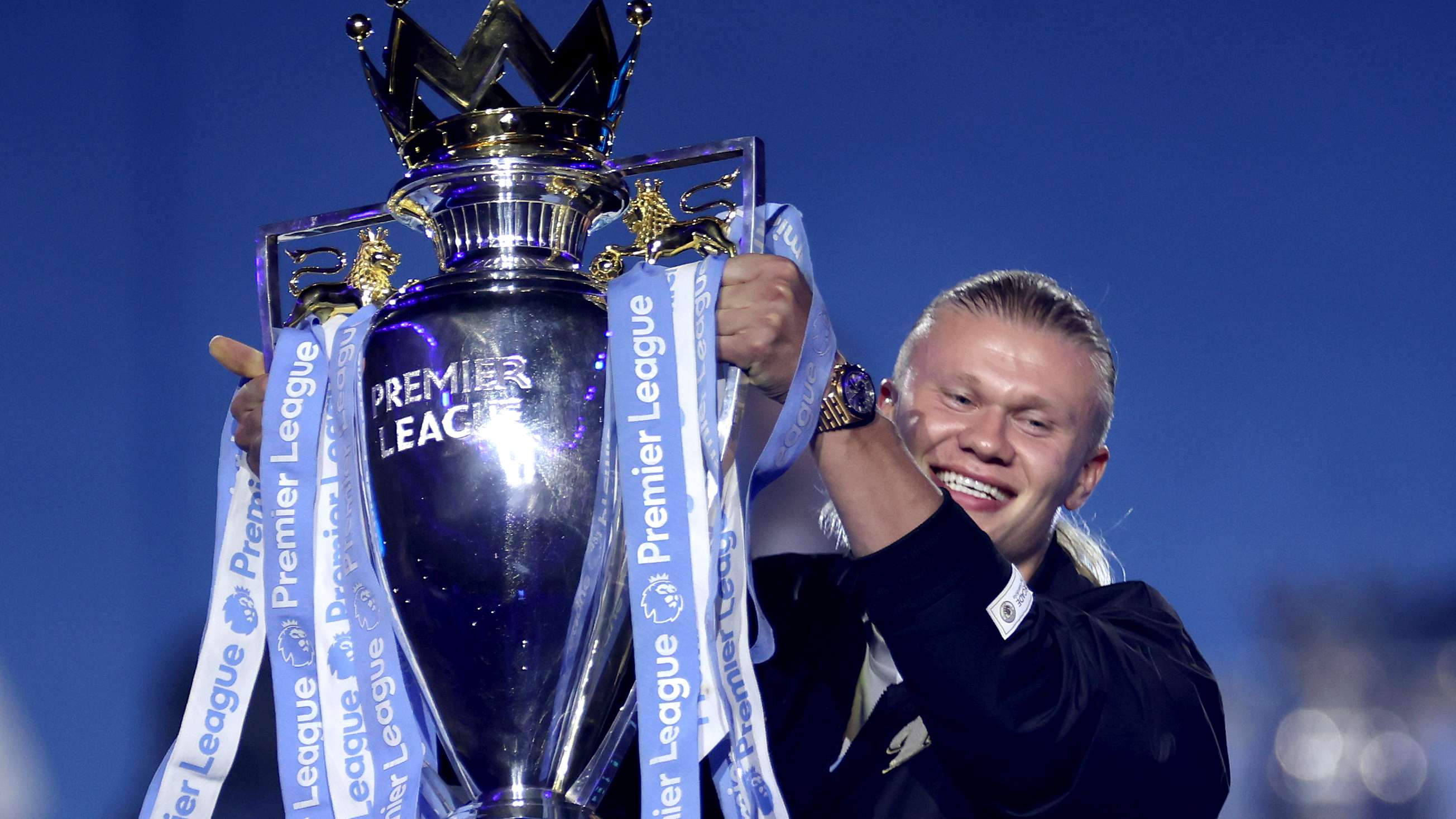

Gary Neville Warns Manchester City Title Win Could Trigger Premier League Turmoil
Gary Neville has warned that “all hell will break loose” if Manchester City win the Premier League title while serious allegations over the club’s financial conduct remain unresolved. The former Manchester United defender believes the case needs to reach a decisive stage by February or March to prevent the season ending with uncertainty hanging over the champions’ race.
The dispute has become one of the most consequential stories in modern English football. Manchester City were charged with numerous alleged breaches of Premier League financial regulations, covering a period of nine seasons. The club was also accused of failing to cooperate fully with the league’s investigation. City deny wrongdoing and have said they will challenge the findings through the appropriate legal process.
Why the timing of the case matters
For Neville, the central concern is not only the scale of the allegations but the possibility that the process could remain unresolved until after the title has been awarded. Speaking on the Overlap Daily programme, he said it would be “extremely difficult” to watch City lift the trophy this season if questions about the case were still unanswered.
“If Manchester City lift the Premier League title in May, I think all hell will break loose,” Neville said, according to The Sun. He argued that the matter should be dealt with by February or March, giving the league, the clubs and supporters greater clarity before the closing weeks of the campaign.
The timing could have major sporting consequences. A ruling or punishment delivered during the season might affect the standings, the title race and the calculations of clubs competing for European qualification or trying to avoid relegation. If a decision comes only after the final match, it could leave fans debating whether the season’s results fully reflect the rules under which the competition was played.
Manchester City deny the allegations
The Premier League’s case concerns alleged financial and reporting breaches over a long period, as well as claims that City did not provide the required cooperation with the investigation. The charges have prompted intense discussion about sponsorship agreements, club accounts, financial disclosures and the league’s ability to enforce its regulations consistently.
City have repeatedly rejected the accusations and maintain that they have evidence to support their position. The club’s decision to contest the case means the dispute could involve further legal proceedings and appeals. That route is part of the process available to the club, but it also makes the timetable difficult to predict.
Speculation about possible sanctions has included a substantial points deduction or a large financial penalty. However, no outcome should be treated as certain while the legal process continues. The nature and timing of any consequences would depend on the final findings and the relevant appeals procedures.
What a delayed decision could mean for the title race
Premier League title races are often shaped by fine margins: a late goal, a difficult away fixture or a run of injuries can shift the balance between leading contenders. A major unresolved disciplinary case adds another layer of uncertainty, particularly if the club involved remains in contention as the season approaches its conclusion.
A prompt resolution could help protect confidence in the competition by clarifying the position before the decisive fixtures. But reaching a conclusion quickly may be challenging when a case involves extensive evidence, disputed interpretations of financial rules and the possibility of appeals. The league must balance the demand for timely action with the need for a fair and thorough process.
That tension is why Neville’s prediction has attracted attention. His warning is not simply that supporters may disagree with a particular outcome. It reflects a broader concern that the Premier League could face a credibility challenge if the title is awarded while the allegations remain unresolved. Rival clubs and their fans may question how the uncertainty was handled, regardless of the eventual decision.
Neville raises questions about the owners’ and directors’ test
Neville also questioned whether City would satisfy the Premier League’s owners’ and directors’ test, drawing on his experience as an owner and director of Salford City. He said he was familiar with the criteria that applicants must meet and argued that, if the same standards applied, City would fail the test.
His comments represent Neville’s interpretation of the rules, rather than a formal determination by the Premier League. The owners’ and directors’ test is designed to assess whether individuals are eligible to hold positions of control at clubs. It is separate from the financial charges at the centre of the City case, although both issues contribute to wider debate about governance and accountability in English football.
For supporters, the distinction matters. The financial investigation, the cooperation allegations and the suitability test are related in the public conversation, but they are not interchangeable processes. Each has its own criteria, evidence and potential consequences.
Governance and trust in English football
The case has arrived at a time when football authorities face growing pressure to demonstrate that financial rules apply equally to every club. Premier League regulations are intended to support the stability of the competition, encourage responsible spending and help prevent clubs from gaining an unfair advantage. Their effectiveness depends not only on the rules themselves, but also on transparent and credible enforcement.
That is why the eventual outcome could extend beyond Manchester City. A clear, well-explained decision may influence how clubs approach financial reporting and how future investigations are conducted. Conversely, a prolonged process could deepen concerns about whether complex cases can be resolved quickly enough to preserve confidence in the league.
For now, the title prediction remains uncertain. City’s performances on the pitch will determine their position in the table, while the legal process will determine the outcome of the allegations. Neville’s warning captures the uneasy overlap between those two contests: if the club wins the Premier League before the case is settled, the celebration could be overshadowed by questions that football’s governing bodies have yet to answer.