
Rabat Shakes Up FIFA Power Dynamics: A Turning Point in Football Politics
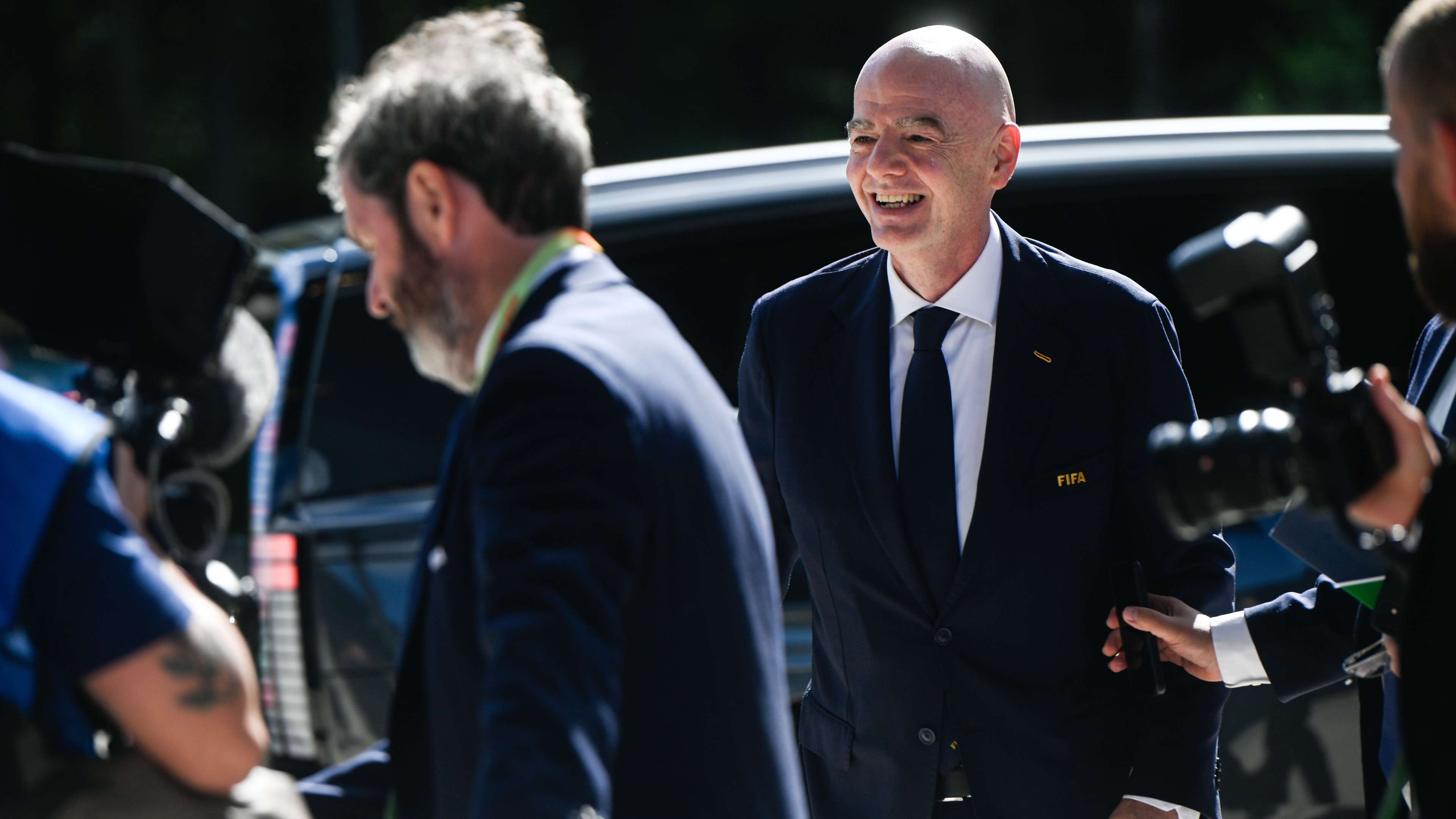
In the high-stakes world of international football governance, few events have caused as much upheaval as the recent developments centered around FIFA’s leadership. Just three weeks ago, the football community was on the edge of its seat, with many analysts predicting the imminent fall of Gianni Infantino, the current FIFA president. It appeared as though the longstanding challenge to his authority was destined to succeed, fueled by mounting opposition and strategic alliances aiming to reshape the future of global football administration.
The Prelude to a Political Shift in FIFA
Gianni Infantino, who assumed the FIFA presidency in 2016, had long been a figure surrounded by controversy and fierce rivals eager to see him ousted. The European opposition, in particular, had mounted a formidable campaign, viewing his leadership as an obstacle to reforms and transparency they championed. Leading up to the pivotal meetings in Rabat, Morocco, and later in Nyon, Switzerland, the atmosphere was tense with anticipation. Many expected these gatherings to be the final battleground where the opposition would rally enough support to unseat him.
The Turning Point: Behind Closed Doors in Rabat and Nyon
However, what transpired behind closed doors was far from the anticipated downfall. The meetings in Rabat and Nyon revealed a surprising shift in the political landscape of FIFA. Opponents believed that Infantino’s grip on power was slipping away, but instead, they discovered a resilient web of loyalties and alliances meticulously built over the past decade. This network, some insiders describe as “unbreakable,” proved to be the cornerstone of Infantino’s continued dominance.
Sources close to the negotiations suggest that Infantino’s strategic approach involved securing key votes through a combination of diplomatic outreach, promises of development projects, and fostering loyalty among influential football associations across continents. This network of supporters, some of whom are longstanding allies within FIFA’s inner circle, effectively insulated him from the mounting opposition.
The Reality of Infantino’s Support Base
This revelation fundamentally altered the opposition’s strategy. Instead of aiming solely to dethrone Infantino, the focus shifted to weakening the presidency itself. The goal was no longer merely to remove the man at the top but to dismantle the concentrated powers that allowed the FIFA president to wield near-absolute authority. This new objective is considered more nuanced, more ambitious, and significantly more dangerous for the status quo of football governance.
By targeting the institutional powers that grant the presidency its influence—such as control over major decision-making processes, budget allocations, and appointment powers—the opposition hopes to introduce reforms that would democratize FIFA’s leadership structure. Such reforms could include greater transparency, checks and balances, and perhaps even a restructuring of voting procedures to prevent future consolidations of power.
The Broader Implications for Football and FIFA Reform
This political shift in FIFA’s internal landscape has profound implications for the future of football worldwide. It signifies a potential turning point where the focus may increasingly move toward reforming the organization’s governance model to prevent the emergence of autocratic leadership styles. The ongoing debate revolves around how to balance centralized authority with accountability, ensuring that the world’s most popular sport remains transparent and fair.
Moreover, the dynamics at play highlight the importance of strategic alliances and loyalty networks in international sports politics. Infantino’s ability to retain support demonstrates that leadership stability in FIFA depends heavily on long-term relationship-building, diplomatic finesse, and the strategic distribution of influence across diverse regions.
What This Means for Football Fans and Stakeholders
For football fans, the ongoing power struggles within FIFA might seem distant from the pitch, but they are intimately connected to the sport’s integrity and future development. Changes in FIFA’s leadership structure could influence everything from tournament organization and funding to grassroots development programs. Ultimately, the decisions made in these corridors of power will trickle down to affect the experiences of fans, players, and clubs worldwide.
Stakeholders such as national football associations, club owners, and player unions are also watching these developments closely. The possibility of reforming FIFA’s governance could lead to more equitable decision-making processes and increased accountability, fostering a healthier environment for the sport’s growth.
The Road Ahead: Navigating a Complex Political Landscape
Looking forward, the path to meaningful reform is complex and fraught with challenges. While Infantino’s support network appears resilient, opposition groups are likely to continue strategizing, seeking allies, and pushing for structural changes within FIFA. The upcoming elections and key meetings will be critical in determining whether the momentum for reform can be sustained or if the current power structures will remain largely intact.
As football’s global community awaits further developments, one thing is clear: the battle for FIFA’s future is far from over. It is a contest that embodies broader themes of transparency, leadership, and governance in international sports. The outcome will shape the direction of football for years to come, influencing everything from the World Cup’s prestige to the sport’s role as a unifying global force.
Conclusion: A New Era in Football Governance?
The recent shifts in FIFA’s internal politics, sparked by strategic meetings in Rabat and Nyon, mark a potential turning point in football governance. Whether these developments lead to genuine reform or merely reinforce existing power structures remains to be seen. What is certain is that the battle lines are drawn, and the future of football’s leadership will be decided not just by votes but by the ongoing struggle to balance power, transparency, and accountability in the world’s most beloved sport.