
Why Charles De Ketelaere Shines for Belgium but Is Still Searching for His Atalanta Role
Atalanta’s latest home victory offered a welcome boost to their Serie A campaign. The three-goal result lifted the Bergamo side to 10th place on nine points and strengthened hopes of moving closer to the European qualification positions in the weeks ahead. There were encouraging performances across the pitch, including Franck Kessie’s first goal since returning to the club and another lively display from in-form striker Nikola Krstovic.
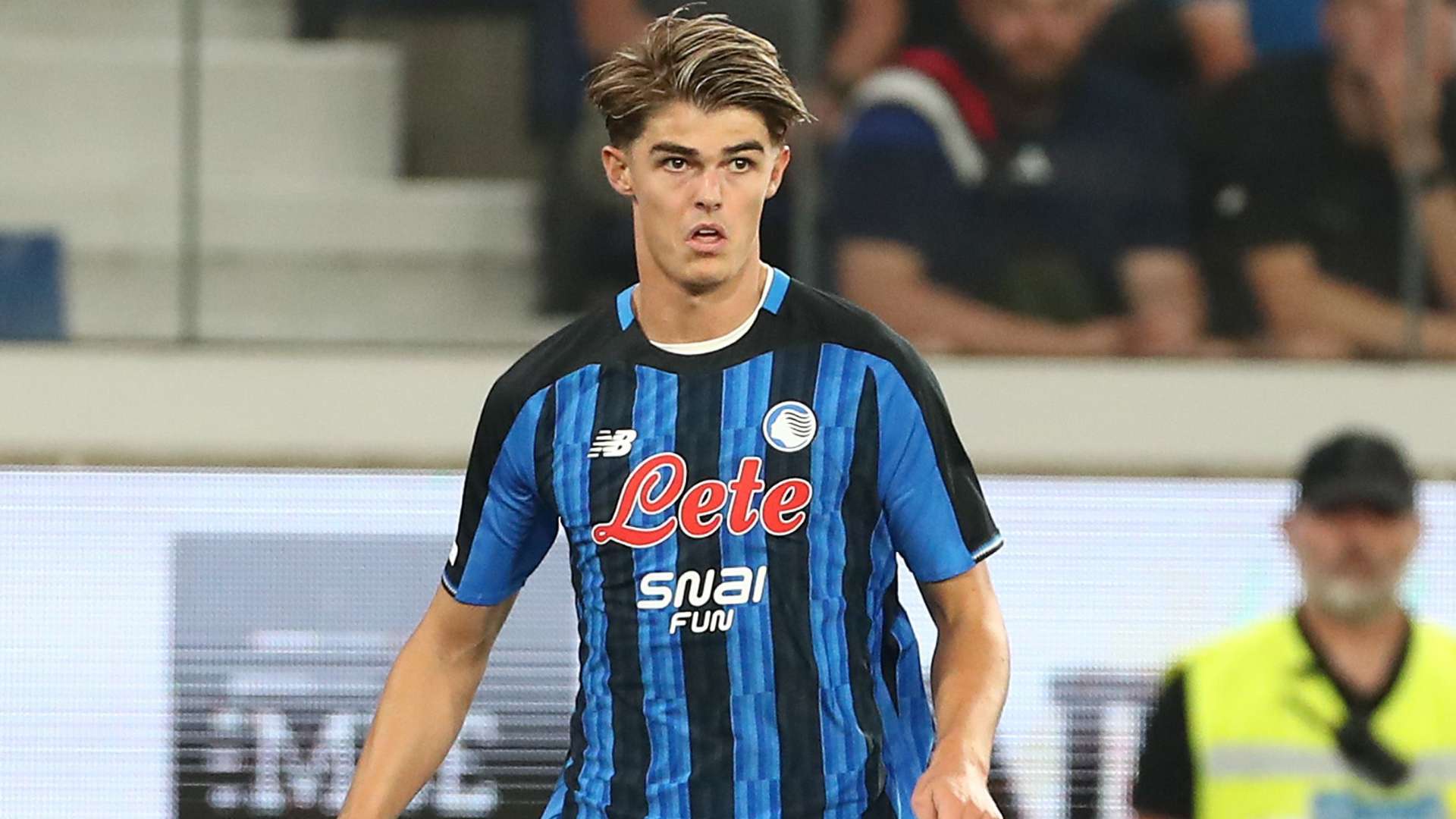
Yet the win did not erase every concern. Charles De Ketelaere remains one of the most intriguing questions facing Atalanta coach Maurizio Sarri. The Belgian international can look confident and influential when representing his country, but his club performances have not always matched that level. The contrast has prompted debate among supporters: is De Ketelaere short of form, or is Atalanta still trying to find the right way to use him?
A Strong Result, but Work Remains for Atalanta
Three points provide a valuable platform for a team aiming to climb the table, particularly at this stage of the season. Atalanta’s victory over Venezia demonstrated that the squad has attacking options capable of making a difference. Kessie’s goal was a notable moment, while Krstovic’s sharp movement and confident finishing continued to suggest that he can become an important part of the side’s forward line.
For Sarri, however, the challenge is not simply to celebrate the result. A successful league campaign depends on turning promising individual moments into consistent performances, and that means finding the right balance between established players, returning talents and new attacking combinations. De Ketelaere’s situation matters because he has the technical quality to influence games, but his role has not yet produced the same steady impact that Belgium supporters have recently seen.
The Belgium Contrast: Confidence, Clarity and Responsibility
De Ketelaere often appears more comfortable in Belgium’s setup. International football brings a different rhythm from the club season: players spend limited time together, but the tactical instructions can be clear, and a footballer may be given a defined responsibility that suits his instincts. When De Ketelaere receives the ball in useful areas, he can combine quickly, carry possession into space and create chances with his vision.
Confidence is also important. A player who feels trusted is more likely to attempt the forward pass, take on a defender or move into the box at the right moment. For Belgium, De Ketelaere’s role may allow him to play with fewer doubts about where he should position himself. At Atalanta, by contrast, he must adapt to a demanding team structure and compete for influence in an attack featuring several players who prefer to operate between the lines.
This difference does not necessarily mean that De Ketelaere is less committed at club level. It may instead reflect how small tactical details shape a player’s performance. The distance between teammates, the timing of runs and the areas where the ball is delivered can determine whether a creative forward looks decisive or peripheral.
A Tactical Misunderstanding, Not Just a Dip in Form
The central issue appears to be one of fit and interpretation. De Ketelaere is most effective when he can receive possession facing the opposition goal, link play with nearby teammates and make late movements into dangerous spaces. If he is stationed too far from the ball, asked to hold a fixed position or crowded out by other creators, his strengths can become harder to see.
Atalanta may need to clarify whether he is being used primarily as a No. 10, a second striker or a wide attacker who moves inside. Each role demands different movement. As a central creator, he needs passing options around him and freedom to drift. As a second forward, he must coordinate his runs with the main striker and attack the box more directly. From a flank, he needs space to cut inside without leaving the team exposed defensively.
When those responsibilities overlap, a player can appear hesitant. De Ketelaere may be unsure whether to stay wide, move centrally or make a run beyond Krstovic. That hesitation can slow attacks and reduce his influence, even when his underlying technical ability remains intact. The solution may be less about changing the player and more about giving him a consistent role within the team’s attacking plan.
How Krstovic and Kessie Could Shape the Solution
Krstovic’s strong form could help create a clearer structure for De Ketelaere. A centre-forward who occupies defenders and attacks the penalty area gives a creative teammate a reliable target. De Ketelaere can then focus on supplying through balls, exchanging passes around the box and arriving late to support the attack rather than carrying too much responsibility as both creator and finisher.
Kessie’s return also adds another dimension. His physical presence and ability to advance from midfield could draw opponents away from De Ketelaere, opening pockets of space between the lines. If Atalanta can connect midfield and attack more effectively, the Belgian may receive the ball in positions where his decision-making and close control can have a greater effect.
That combination will require balance. Atalanta cannot simply give De Ketelaere complete freedom if it leaves gaps elsewhere, particularly in a league where opponents are quick to exploit turnovers. Sarri must decide how much defensive work to demand from him and which teammates can cover the spaces he leaves when moving into attacking areas.
What Supporters Should Watch in the Next Matches
The coming fixtures should offer useful clues about Atalanta’s approach. Supporters can look at where De Ketelaere starts, how often he receives the ball between midfield and defence, and whether he is involved in combinations with Krstovic. His number of touches alone will not tell the whole story; the quality and location of those touches matter more.
It will also be worth watching whether Atalanta vary their attacking patterns. Quick passes into the forward line, overlapping runs and movement from midfield can prevent opponents from marking De Ketelaere out of the game. If the team relies too heavily on predictable service, even a talented playmaker may struggle to find space.
Atalanta Prediction: European Ambitions and De Ketelaere’s Importance
Atalanta’s climb to 10th place gives the club a reason for optimism, but one win is only an early step toward a European place. Consistency will be essential, and the team needs contributions from more than its most in-form attackers. Kessie’s return and Krstovic’s momentum are encouraging signs; De Ketelaere’s progress could become another major factor if the tactical connection improves.
The best prediction is that Atalanta will continue to adjust their attacking combinations rather than abandon the Belgian’s potential. His performances for Belgium show that he can influence matches when the role, confidence and service align. If Sarri provides clearer instructions and builds a more natural partnership between De Ketelaere and Krstovic, the forward may become a more regular source of creativity.
For now, the gap between international promise and club consistency remains a storyline to follow. Atalanta have taken an important step with their latest victory, but their next challenge is to turn individual quality into a coherent attacking identity. De Ketelaere’s response could help determine how far the Bergamo side can climb—and whether their European ambitions become a realistic target rather than an early-season prediction.