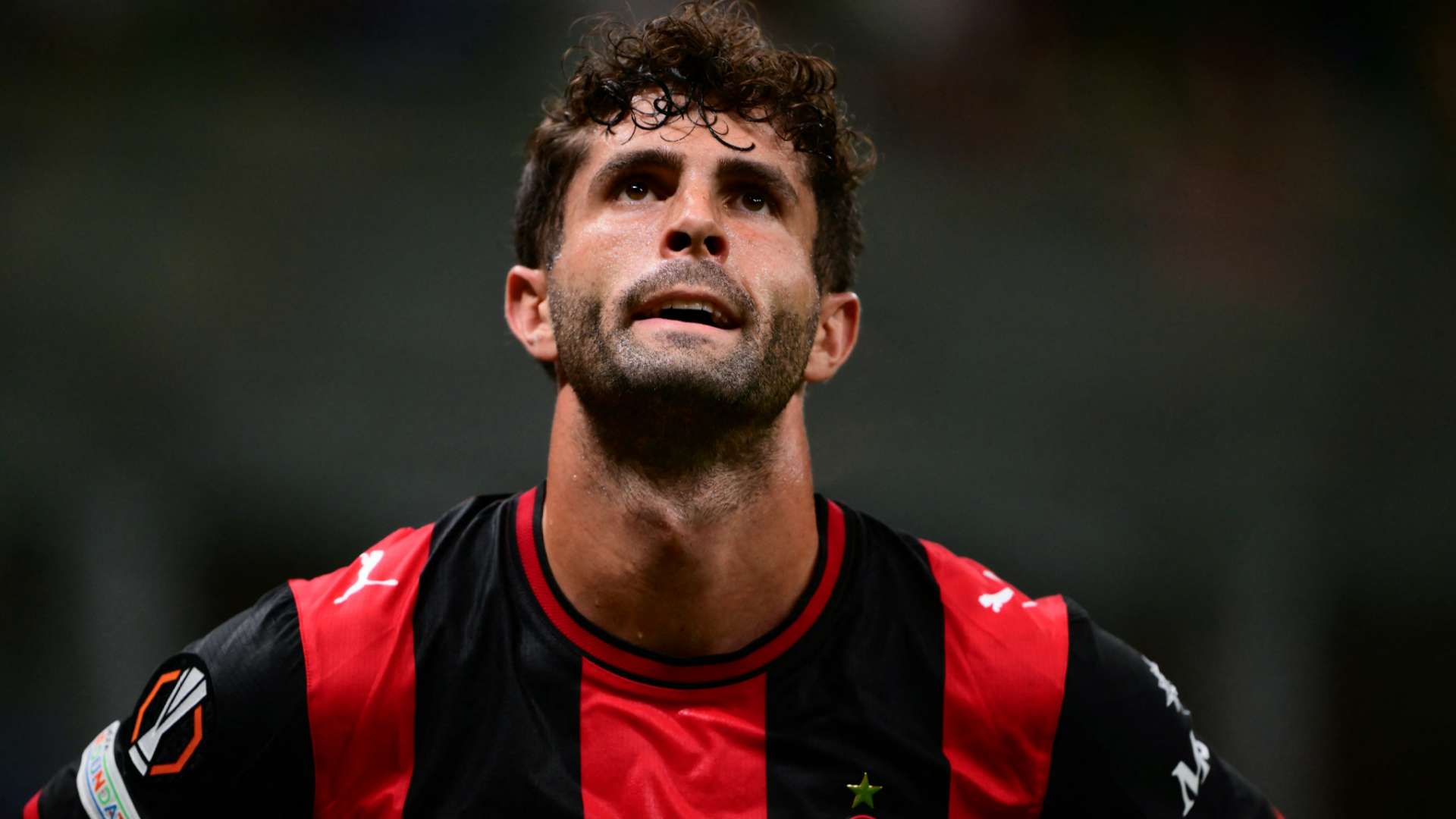

Christian Pulisic backs stability at AC Milan after difficult 2026 World Cup
Christian Pulisic faced a challenging 2026 World Cup with the United States men’s national team, a tournament that brought an unfamiliar level of scrutiny to one of American football’s biggest stars. Former USMNT goalkeeper Brad Friedel believes the criticism should not overshadow the forward’s achievements—or the importance of his decision to commit his future to AC Milan.
Speaking to GOAL, Friedel said Pulisic experienced “a lot of criticism” for “the first time in his career” during the tournament. The reaction reflected both the pressure placed on the USMNT’s leading attacking player and the expectations that follow a high-profile international campaign. Friedel, however, sees Pulisic’s new Milan contract as a sensible move that can provide a strong foundation for the next stage of his career.
Why Pulisic’s AC Milan contract matters
Pulisic is now under contract at San Siro through 2031, giving him long-term security at one of Europe’s most historic clubs. For a player whose career has included moves between major leagues and clubs, that continuity could be valuable. It offers a stable setting in which to develop, compete for trophies and build a lasting relationship with teammates, coaches and supporters.
Friedel’s argument is not simply that staying at Milan is the safest option. Stability can also help an ambitious player maintain momentum. When a footballer is settled in a familiar environment, they can focus more fully on performance, tactical responsibilities and physical preparation rather than adjusting to a new league or system. For Pulisic, that may be particularly important as he balances demanding club commitments with his role as a central figure for the United States.
AC Milan also provides a prominent stage. The club’s history, passionate fan base and regular pursuit of major honours mean that Pulisic continues to play under significant expectations. The difference is that those demands come within an environment he already knows. If he can respond consistently on the pitch, the contract gives him time to strengthen his standing rather than forcing him to prove himself all over again somewhere else.
A World Cup that brought new pressure
World Cups can reshape public opinion quickly. A standout performance may elevate a player into national-hero status, while a difficult stretch can prompt intense debate about form, leadership and responsibility. Pulisic entered the 2026 tournament with a reputation as a key USMNT attacking threat, so attention was naturally concentrated on his contribution.
That spotlight can be especially sharp for a player expected to create chances and influence decisive moments. Supporters often judge attackers through goals and assists, but their broader work—movement, pressing, carrying the ball and drawing defenders—can be less visible. When results fall short of expectations, even established stars may find that their performances are assessed through the outcome rather than the details.
Friedel’s comments underline how unusual the experience was for Pulisic. Criticism is part of elite sport, but receiving it on such a scale can still be a significant adjustment, particularly for a player who has previously enjoyed strong public support. The challenge now is to treat the reaction as part of the game, not as a complete measure of his ability or value to the national team.
Turning criticism into a platform for growth
For Pulisic, the next step is likely to be judged by how he responds. A difficult tournament does not define an entire career, and experienced players often use setbacks to sharpen their approach. At Milan, he has the opportunity to rebuild confidence through regular performances in a demanding domestic and European schedule.
Consistency will be central. Rather than trying to answer every criticism with one spectacular display, Pulisic can strengthen his case through dependable contributions over time: creating opportunities, making effective decisions in the final third and helping Milan maintain control in important matches. That kind of sustained impact can also benefit the USMNT, where his experience at a leading European club remains an important asset.
His long-term agreement could help make that response possible. A contract through 2031 gives Milan and Pulisic a shared incentive to plan for the future, while allowing the player to concentrate on football instead of uncertainty about his next destination. It does not guarantee success, but it creates a platform from which he can pursue it.
What comes next for the USMNT star?
Pulisic’s club form will remain closely watched as the United States moves beyond the World Cup and prepares for its next international fixtures. The USMNT is scheduled to face Haiti in the CONCACAF Nations League on November 15, 2026, at 05:30. The match will offer a fresh opportunity for the team to regroup and for its leading players to re-establish their rhythm.
For Pulisic, international football brings a different kind of responsibility from club competition. He is not only expected to perform individually but also to help guide a squad carrying the hopes of a growing football audience in the United States. His experience in Europe can be valuable, especially as younger players look to established teammates for direction during high-pressure moments.
The broader lesson is that one difficult tournament need not dictate what follows. Pulisic remains a highly talented forward with a significant role at AC Milan and the USMNT. Friedel’s support for the contract decision reflects a belief that continuity can help him move forward rather than remain defined by a challenging period.
Friedel’s message: stability can support a comeback
There is no quick fix for public criticism, and a long contract alone cannot settle questions about form. Pulisic will have to answer those questions through his performances. Still, Friedel’s view offers a useful perspective: choosing stability at a major club can give a player the time and structure needed to respond constructively.
As the 2026 World Cup fades from the headlines, attention will return to the weekly demands of club football and the USMNT’s next chapter. Pulisic’s Milan future is secure through 2031, but the real story will be what he does with that opportunity. If he can turn a difficult international experience into renewed focus, the criticism may become a turning point rather than a lasting setback.