
Ronaldo’s Portugal Suspension Sparks Backlash as Return Remains Uncertain
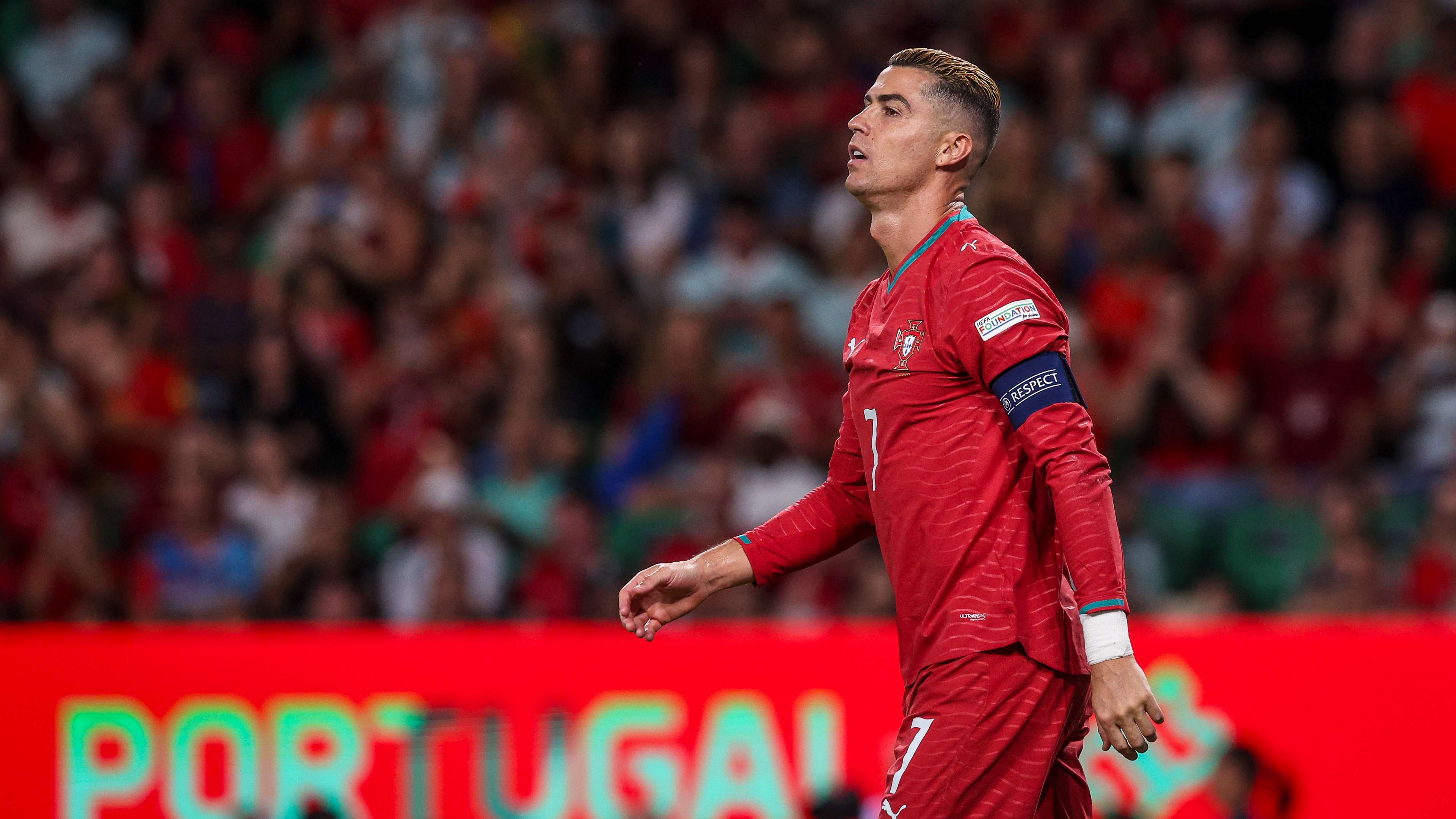
A disciplinary decision intended to calm the latest football controversy surrounding Cristiano Ronaldo has instead intensified criticism of the Portuguese Football Federation. The national team captain received a 30-day suspension and a €255 fine after leaving Portugal’s camp before a UEFA Nations League fixture. Yet the relatively modest penalty has prompted questions about fairness, leadership and whether the federation can repair its relationship with one of the country’s most influential players.
The immediate sporting consequences may be limited. Reports in Portugal suggest the suspension was counted from the date of the incident, meaning Ronaldo could have only a short period left to serve and might be eligible for a November call-up. But eligibility is not the same as availability: growing reports of a breakdown in communication have made his return far from certain.
How the dispute began
Ronaldo, 41, reportedly left the national team camp on 30 September, one day before Portugal’s Nations League match against Denmark. Portugal managed without its captain and won 4–2, but the result did little to settle the wider dispute. Statements attributed to Ronaldo about his coach added to the pressure on the federation, which had to respond to an incident involving the team’s most prominent player.
The federation’s disciplinary committee found Ronaldo guilty of deliberately committing an offence under Article 160, paragraph one, of its regulations. It imposed a 30-day suspension and a €255 fine. Given the profile of the player and the circumstances surrounding his departure, the outcome was widely viewed as unusually lenient.
That reaction has been amplified by the timing. If the suspension period is calculated from 30 September, Ronaldo could be available for Portugal’s November matches against Denmark on 14 November and Wales on 17 November. This possibility has turned the ruling into a talking point not only about discipline, but also about whether the punishment was designed to limit the disruption to the team.
Why the penalty has drawn criticism
The fine has attracted particular attention because of the contrast between its size and Ronaldo’s reported earnings. Estimates place his annual income at around €200 million, making €255 a largely symbolic sum in financial terms. Critics argue that the issue is not whether the fine would materially affect Ronaldo, but whether it communicates a clear standard to the rest of the squad.
According to Portuguese newspaper O Jogo, the disciplinary committee considered factors in Ronaldo’s favour. These reportedly included his contribution to football, his sporting achievements and a clean disciplinary record with the federation during the current season and the previous three campaigns. Those considerations may explain the decision, but they have not ended the debate over whether a senior player should face a stronger sanction when a dispute affects the national team.
Former Portugal international Luís Figo was among the most outspoken critics. In comments reported by Foot Mercato, he described the punishment as “ridiculous” and argued that it lacked deterrent value. His concern, as reported, was that a minor penalty could set an unhelpful example for other players. Germany’s Bild also characterized the decision as extremely lenient, reinforcing the sense that Ronaldo had emerged from the disciplinary process with little practical consequence.
A difficult leadership question for Portugal
The backlash has placed the Portuguese Football Federation in an awkward position. A severe punishment might have deepened the rift with a player who remains central to Portugal’s public image and sporting history. A mild one, however, risks creating the impression that status and past achievements can soften the consequences of conduct that would otherwise draw a stronger response.
That tension is familiar to national teams built around a major star. Coaches and federation officials must balance respect for a player’s legacy with the need to maintain consistent rules across the squad. If teammates believe standards are applied differently to the captain, the issue can affect morale even when results remain strong. Portugal’s 4–2 win showed the team could perform without Ronaldo on that occasion, but it did not answer the longer-term question of how the group would function if the disagreement continued.
Communication remains the biggest obstacle
The clearest uncertainty is not the length of the suspension but whether Ronaldo wants to return. Rui Santos, a presenter on CNN Portugal, has suggested that the captain may prefer not to be called up under the current circumstances. Santos said Ronaldo believes he was mistreated, feels he was not given the full truth and considers himself betrayed. These claims have been presented as reporting about Ronaldo’s position, rather than as a public statement from the player himself.
Santos also reported that federation president Pedro Proença has been trying to contact Ronaldo regularly, sending messages intended to reopen dialogue and resolve the dispute. So far, those efforts have reportedly failed to restore confidence. If Ronaldo sees little value in speaking with federation officials, even a short suspension may not be enough to bring him back into the national-team setup.
This is where the story moves beyond disciplinary procedure. A formal ruling can establish a penalty, but it cannot by itself rebuild trust. That requires direct communication, a shared account of what happened and a clear understanding of expectations on both sides. Without those steps, the federation could find itself facing a prolonged standoff just as it prepares for important international fixtures.
What happens next? The key prediction
For now, any prediction about Ronaldo’s return should be treated cautiously. The reported suspension timeline may make him eligible for November, but the unresolved relationship is a more significant barrier than the remaining days of his ban. A return would likely depend on whether private discussions can produce a face-saving resolution for both the captain and the federation.
If dialogue resumes, Portugal could turn the incident into a manageable dispute and refocus attention on football. If communication remains frozen, the controversy may grow into a deeper question about Ronaldo’s future with the national team. The federation’s challenge is to protect team standards without dismissing the contribution of its most decorated player; Ronaldo’s challenge is to decide whether representing Portugal still outweighs his frustration with its officials.
The modest punishment was meant to close one chapter. Instead, it has sharpened criticism and left the central issue unresolved: will Cristiano Ronaldo return to Portugal, or will a dispute over discipline and trust keep the captain away?