
Kylian Mbappé Questioned in French Football Corruption Investigation
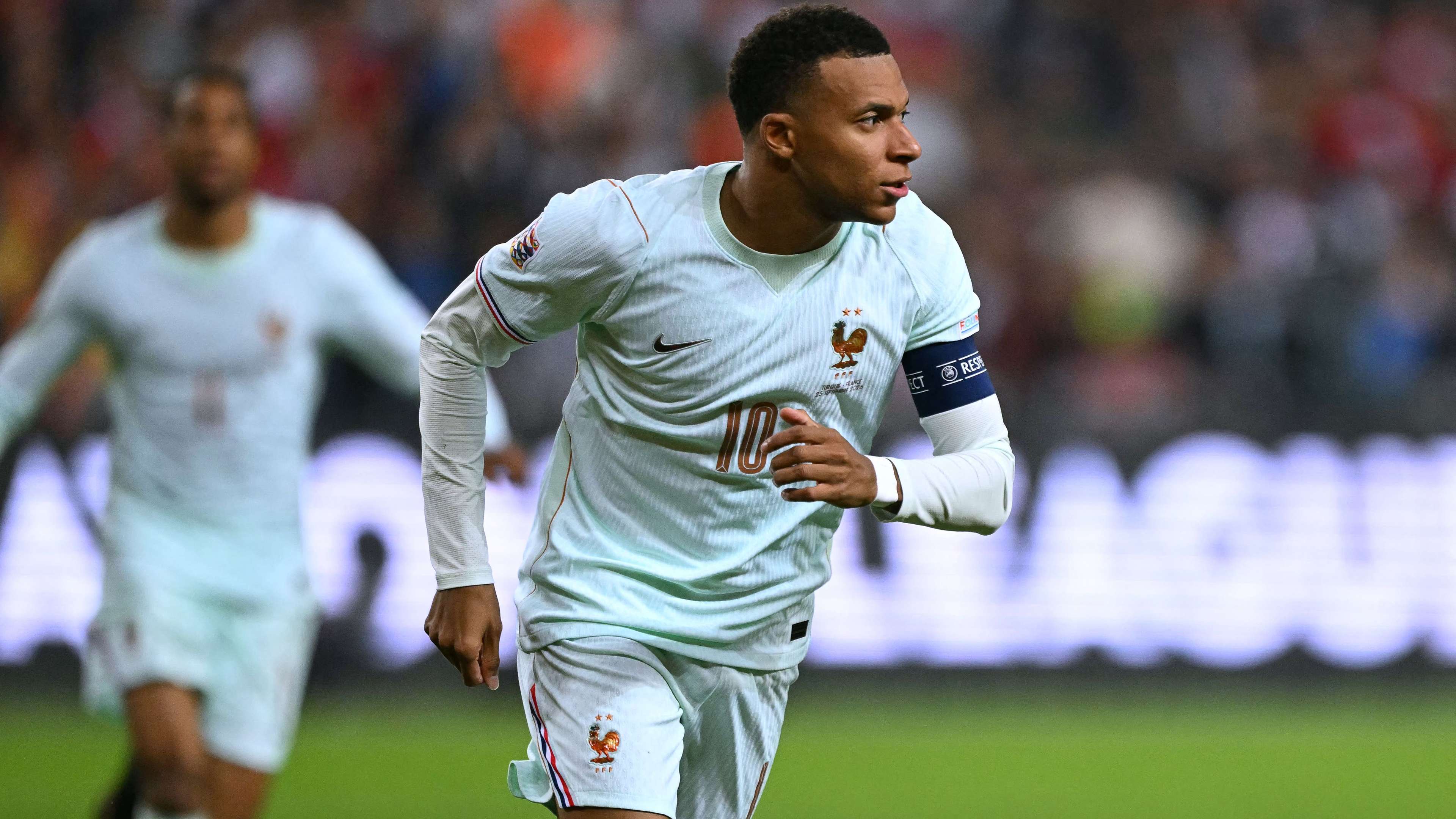
Real Madrid forward Kylian Mbappé has reportedly been questioned by French police as part of an investigation into alleged corruption and the conduct of a senior figure connected to France’s national football team. The inquiry has drawn attention because it involves a prominent player, but reports say Mbappé is not the target of the allegations.
According to French sports newspaper L’Équipe, investigators are examining the activities of Mohamed “Momo” Sanhadji, a long-serving security official who worked with the French national team from 2004 to 2026. The case reportedly concerns his alleged use of professional relationships and influence, as well as private financial arrangements involving footballers.
Why police reportedly questioned Mbappé
Mbappé was reportedly interviewed on 30 September as part of the investigation. Being questioned in an inquiry does not, by itself, indicate wrongdoing, and the allegations described in media reports are not directed at the Real Madrid star. His reported involvement appears to relate to his contact with Sanhadji and payments made to him.
L’Équipe reports that Sanhadji accompanied Mbappé on a private trip to Cameroon, acting as his security guard while still employed in the civil service. The newspaper also says that Mbappé paid Sanhadji more than €60,000 in 2023. Investigators are reportedly seeking to establish the nature and purpose of that payment, along with whether Sanhadji’s public-sector position created any conflict of interest.
Those details remain allegations reported by the French newspaper, rather than findings established in court. The investigation’s central focus, as described in the reports, is Sanhadji’s conduct and the circumstances surrounding his professional role and private dealings.
Investigation examines influence and private financial dealings
One strand of the inquiry reportedly concerns Sanhadji’s alleged influence over decisions involving visa applications. Authorities are said to be examining whether his position or connections were used inappropriately in that process. The reports do not establish that Mbappé was involved in any visa-related conduct, and they do not describe him as a suspect.
Investigators are also reportedly looking into private loans Sanhadji received from several members of the French national team. According to L’Équipe, he borrowed money from players to help finance the purchase of a house. Such arrangements can attract scrutiny when they involve a public employee with access to influential figures, particularly if investigators need to determine whether the loans were personal, properly documented, or connected to official duties.
The distinction between a private financial relationship and a professional obligation is likely to be important as the inquiry develops. A loan or payment is not automatically evidence of corruption. Investigators would need to assess the circumstances, records, and any relevant rules governing Sanhadji’s employment and relationships with players.
Franck Ribéry also reportedly mentioned in case files
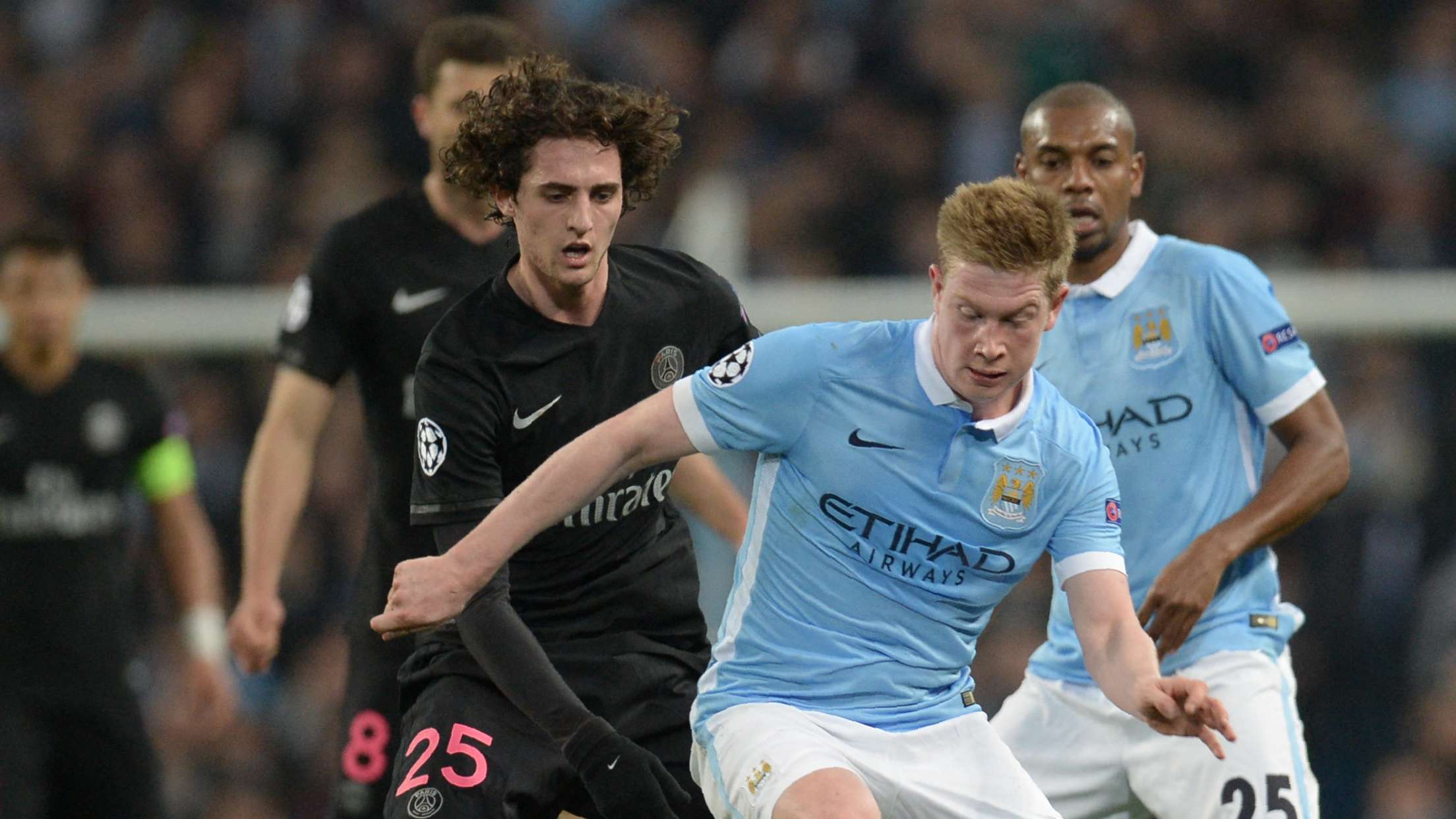
The case files reportedly refer to former France international and Bayern Munich star Franck Ribéry. L’Équipe says Ribéry paid for a holiday in Sicily for Sanhadji. As with the other reported financial arrangements, the existence of a payment or gift does not, on its own, establish that a crime took place. Its significance will depend on the context and on what investigators can verify.
The reported references to several well-known footballers have widened public interest in the case. However, the presence of a player’s name in investigative material should not be confused with an accusation. At this stage, the reporting identifies Sanhadji as the person whose conduct is under scrutiny, while Mbappé and Ribéry are mentioned in connection with alleged payments or benefits.
Why the case matters for French football
The inquiry raises broader questions about boundaries between public service, private security work, and personal relationships within elite football. National-team staff may develop close working ties with players over many years, especially during international camps and major tournaments. Those relationships can be valuable for team operations, but they also require clear rules around outside work, gifts, loans, and access to public services.
For French football, the case could prompt renewed attention to transparency and oversight. National federations and public bodies often rely on staff who operate behind the scenes, including security professionals, medical personnel, and administrators. Strong disclosure procedures can help protect both employees and players by making sure private arrangements are separated from official responsibilities.
The story also highlights the challenges of reporting on legal investigations involving high-profile athletes. A police interview is a procedural step, not proof of guilt. Likewise, a reported payment may warrant questions without demonstrating that the payer or recipient acted unlawfully. Any conclusions will depend on evidence and the outcome of the legal process.
What to watch next
Further developments may clarify the purpose of the reported €60,000 payment, the circumstances of Sanhadji’s trip to Cameroon, and the nature of the loans and holiday expenses mentioned in the case files. Authorities may also examine whether any rules governing civil-service employment or football-related security work were breached.
For now, the key point is that Mbappé has reportedly been questioned as part of an investigation, but the allegations described by L’Équipe are not aimed at him. The inquiry is focused on Sanhadji and his alleged use of influence, alongside private financial relationships with people connected to the French national team.
As the story develops, supporters seeking a reliable football prediction or match analysis should keep sporting coverage separate from legal speculation. The investigation has no reported connection to Mbappé’s performance for Real Madrid; its significance lies instead in questions of accountability, professional conduct, and transparency within French football.