
Michael Owen Rejects Talk of a Second Premier League Winners’ Medal Amid Manchester City Case
Former Manchester United striker Michael Owen has explained why he would not want to receive another Premier League winners’ medal if Manchester City were stripped of titles following the club’s long-running financial case. The debate has intensified as City continue to face 114 alleged breaches of Premier League financial regulations, prompting speculation about possible sanctions and the historical status of their trophies.
Owen’s comments, made to GOAL, add a personal perspective to a story that has become one of English football’s most closely followed legal and sporting sagas. While supporters and former players have debated whether rival clubs could benefit from any retrospective changes, Owen has indicated that a medal awarded years after a season ended would not carry the same meaning as winning it on the pitch.
Why the Manchester City case has sparked title-stripping debate
The Premier League announced its charges against City in 2023, alleging that the club had failed to provide accurate financial information over a number of seasons. The claims cover a range of matters, including revenue reporting, financial disclosures, and compliance with rules governing payments to managers and players. City have strongly denied the allegations and have said they welcome the opportunity to present their case through the appropriate process.
It is important to distinguish between allegations and established findings: the charges do not, by themselves, prove wrongdoing. The case requires detailed examination, and any outcome depends on the evidence and the procedures set out under Premier League regulations. Until a decision is reached and any possible appeals are resolved, discussion of title changes remains hypothetical.
That uncertainty has not stopped football fans from considering what could happen if the league’s independent process were to result in serious sanctions. Possible consequences discussed in public include financial penalties, points deductions, or other sporting measures. Stripping titles has also entered the conversation, although the precise form and scope of any sanction would depend on the findings and the rules applied.
Owen’s view: a medal cannot recreate the original achievement
Owen’s reluctance to accept a second Premier League medal reflects a distinction between a formal honour and the experience of earning it. A title race is decided over an entire season, through matches, results, and the pressure felt by players and supporters at the time. Receiving recognition years later would not reproduce those moments or change how the campaign was experienced.
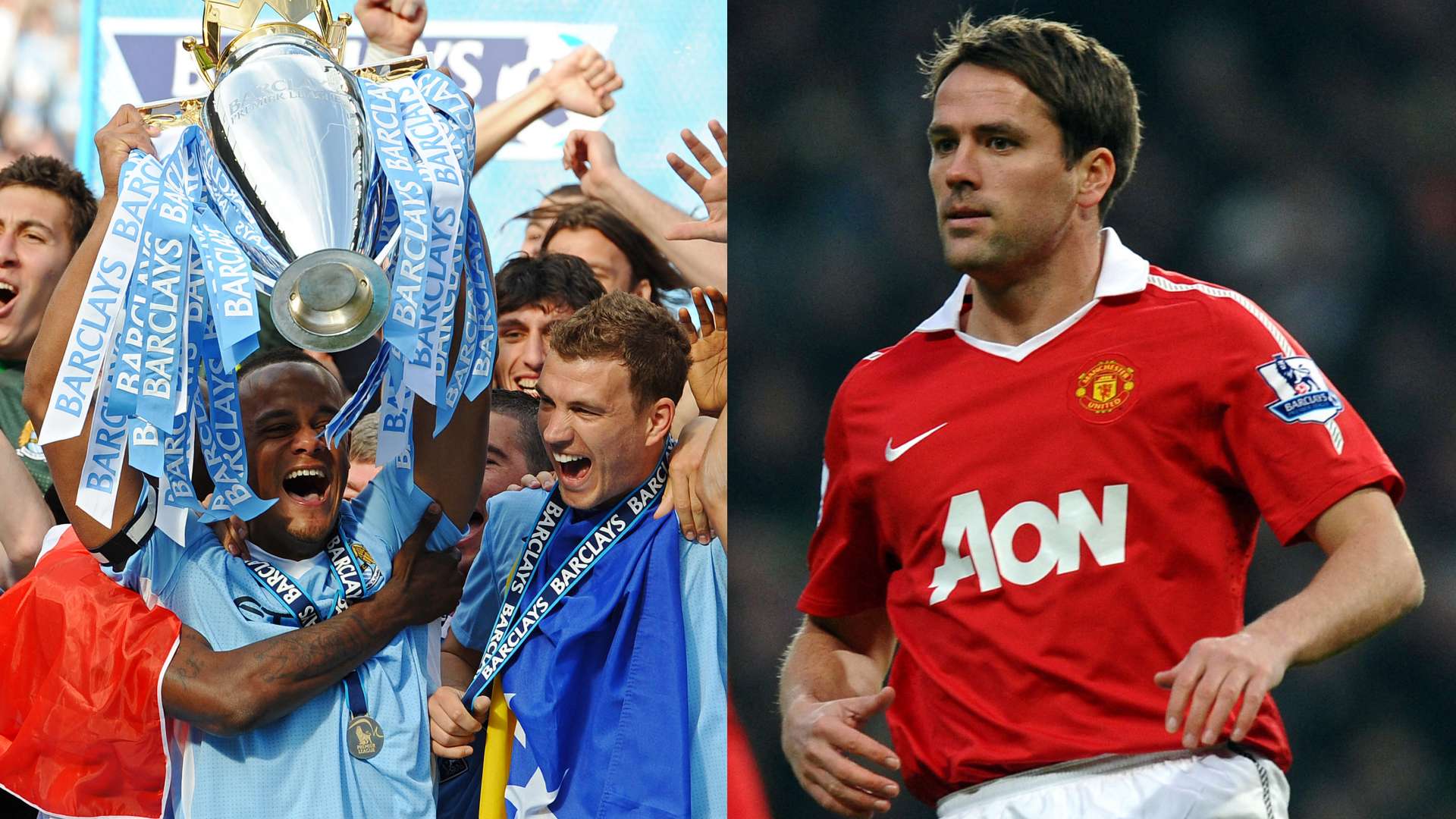
The former striker is familiar with the significance of winning major honours. He played for Manchester United after enjoying an earlier career with Liverpool and Newcastle United, and his time at Old Trafford included a Premier League title in the 2010–11 season. That championship came during a campaign in which United finished above their rivals, with the final standings reflecting the results achieved on the field.
In the event of a retrospective title adjustment, a player might technically be recognised as part of a championship-winning squad. But that would be different from lifting the trophy after a decisive match or celebrating with teammates at the end of a successful season. Owen’s position speaks to the emotional value of sporting success: for many players, the memory and shared achievement matter more than an additional item in a trophy cabinet.
Could rival clubs be awarded titles?
One of the most complicated questions raised by the case is whether a club finishing second in a season could be declared champion if another club’s title were later removed. There is no simple answer. A retrospective decision could involve more than changing the name at the top of a league table, because the competition’s regulations and the specific findings would have to be considered carefully.
Supporters may view a title-stripping outcome as a chance to correct the record, particularly if they believe their club was denied an honour. Others argue that football’s history should not be rewritten years after the final whistle, especially when players, managers, and fans have long since moved on. The disagreement underlines why the case has become more than a financial dispute: it raises questions about sporting fairness, accountability, and how results should be remembered.
There is also a practical issue. If a title were reassigned, the league would need to determine what recognition should follow. Would former players receive medals? Would clubs update their official records? How would supporters respond to a championship awarded long after the season? These questions have no settled answers while the case remains unresolved.
What the outcome could mean for the Premier League
The case has attracted attention well beyond Manchester because its eventual outcome could influence how financial rules are enforced across English football. Premier League clubs operate in a highly competitive environment, where spending on players, wages, and facilities can shape results for years. Clear regulations are intended to support the integrity of that competition, while fair and transparent enforcement is essential to maintaining confidence in the league.
Any decision will therefore be examined not only for its impact on City but also for what it signals to other clubs. A substantial sanction could reinforce the importance of accurate reporting and compliance. Conversely, a prolonged process may raise questions about how quickly complex financial disputes can be investigated and concluded. The case also highlights the challenge of balancing rigorous oversight with the right of a club to contest allegations through an established process.
For fans searching for the latest football prediction or debating how the Premier League table might be affected, the key point is that no retrospective change should be treated as certain before the proceedings conclude. Predictions about sanctions or title reallocations remain speculation, not confirmed outcomes. The evidence, the independent decision, and any subsequent legal steps will determine what happens next.
A debate that goes beyond medals
Owen’s comments capture why the idea of a second winners’ medal can feel unsatisfying, even to someone who could potentially benefit from a changed record. A medal might recognise a revised official outcome, but it cannot recreate the tension of a title race or the celebration that comes with winning in real time.
As the Premier League case continues, the football world will be watching for a ruling that could have significant consequences for Manchester City and the competition’s history. Until then, the discussion remains hypothetical—and Owen’s stance offers a reminder that, for many players, the greatest value of a title lies not in the medal itself, but in the season, teammates, and moments that made it meaningful.