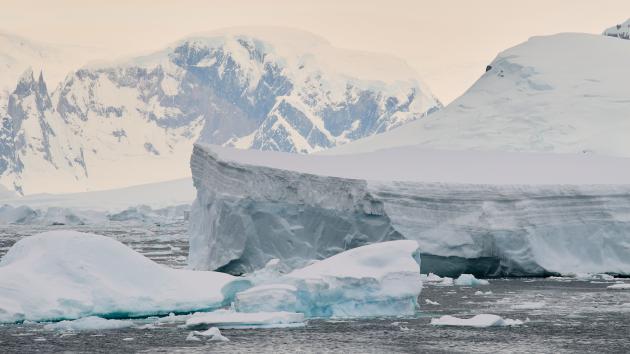

Antarctica to Host the World’s First FIDE-Rated Chess Tournament on the Ice
In a groundbreaking development that combines the worlds of competitive chess and extreme exploration, organizers are preparing to host the first-ever FIDE-rated chess tournament on the icy continent of Antarctica. This event, set for January 2027, promises to be a historic milestone in the history of chess, not only for its unique location but also for its ambitious goal of bringing together players from all six inhabited continents in one of the most challenging environments imaginable.
A Historic First in the World of Chess
For over six years, the idea of staging a chess tournament in Antarctica has captivated enthusiasts and players alike. Originally conceived as a bold experiment in pushing the boundaries of competitive chess, this event has now evolved into a meticulously planned competition that aims to combine strategic mental prowess with the resilience required to thrive in the harshest climate on Earth. Unlike traditional tournaments held indoors or in warm venues, this competition will unfold across multiple outdoor locations, culminating at the iconic 90° South—the geographic South Pole.
Scheduled during the Antarctic summer months, the tournament will span 12 days, with the opening rounds played on the continent’s icy plains before the final games take place at the South Pole itself. The organizers, in collaboration with local expedition companies and international chess federations, hope this event will set new records and establish itself as the most southern chess tournament in history.
The Contenders: A Global Lineup of Chess Talent
The tournament features an elite six-player field, each representing a different inhabited continent, highlighting the global reach and universal appeal of chess. The lineup is as follows:
- GM Nigel Short (Europe, England) – FIDE Rating: 2594
- CM Aung Kyaw Moe (Asia, Myanmar) – FIDE Rating: 2158
- WIM Jesse February (Africa, South Africa) – FIDE Rating: 2010
- WFM Damaris Abarca Gonzalez (South America, Peru) – FIDE Rating: 1996
- FM Shaun Press (Oceania, New Zealand) – FIDE Rating: 1922
- WCM Tris-Ann Richards (North America, USA/Canada) – FIDE Rating: 1701
Leading the charge is former world championship challenger GM Nigel Short, a renowned English grandmaster with decades of experience and a reputation for fierce competitive spirit. At 61 years old, Short has won tournaments across six continents and is now setting his sights on conquering the final frontier—Antarctica. His role extends beyond competing; he currently serves as FIDE’s Director for Chess Development, making his participation a symbol of the event’s significance for the global chess community.
Another key figure is Aung Kyaw Moe, whose efforts were instrumental in transforming the initial idea into a tangible event. As a dedicated chess organizer and player, Aung worked tirelessly with national federations and sponsors to assemble the diverse field of competitors. His enthusiasm underscores the event’s mission—that chess can unite people regardless of geography or environment.
Behind the Scenes: Funding, Logistics, and Challenges
The tournament is privately funded by a group of anonymous sponsors, motivated by a genuine passion for promoting chess rather than seeking publicity or commercial gains. These sponsors, described as dedicated chess enthusiasts, believe in the power of the game to inspire and connect people around the world, even in the most remote corners of the planet.
Organizers face a series of logistical challenges that make this event truly one-of-a-kind. Reaching the designated playing locations involves a complex journey: players will depart from Cape Town, South Africa, flying over the Southern Ocean to Antarctica’s interior—a flight lasting approximately five and a half hours. From there, they will board specialized aircraft, such as the Basler BT-67, designed for polar expeditions, to reach the Geographic South Pole. This leg of the journey is expected to take an additional seven and a half hours, traversing a rugged, icy landscape rarely visited by humans.
Weather conditions in Antarctica are notoriously unpredictable. As a result, the exact timetable for the tournament remains flexible, with organizers closely monitoring weather patterns to determine the optimal timing for each round. This dependency adds an element of suspense and uncertainty that traditional chess tournaments simply do not have, turning each game into a testament of resilience and adaptability.
The Unique Nature of the Event: More Than Just a Game
While the core of the event is a competitive chess tournament, its significance extends far beyond the game itself. The organizers hope to set records as the southernmost chess tournament ever played and to establish a new benchmark for remote, outdoor chess competitions. The idea is to demonstrate that chess, a game rooted in mental agility and strategic thinking, can thrive even in the most inhospitable environments.
For the participating players, the journey and the conditions might be more challenging than the games themselves. Shaun Press, representing Oceania, humorously noted that the weather might be his toughest opponent yet. “Chess has taken me to some strange places over the years,” he said. “This might be the first time the biggest opponent isn’t across the board but outside in the elements.”
Broadcasting and Future Prospects
All rounds of the tournament are scheduled to be broadcast live, allowing chess fans worldwide to follow the action in real-time. Details regarding the exact format, time controls, and broadcasting platforms are still being finalized, but organizers emphasize their goal of making this a truly global event accessible to viewers everywhere.
This expedition not only aims to showcase the resilience of chess players but also pushes the boundaries of how and where the game can be played. It opens up new possibilities for outdoor and remote chess competitions, encouraging innovation in tournament formats and viewing experiences.
Conclusion: A Bold Step Forward for Chess and Exploration
The upcoming Antarctic chess tournament represents a convergence of adventure, innovation, and the enduring appeal of chess. By bringing the game to the least hospitable yet most intriguing part of the world, organizers are redefining what it means to compete and connect through chess. This event promises to be a testament to human ingenuity, the universal language of chess, and the unyielding spirit of explorers and players alike.
As the countdown to January 2027 begins, the global chess community eagerly anticipates an event that will not only test the skills of its participants but also inspire countless others to see the game—and the world—in a new light.