
Real Madrid’s Arda Güler Avoids Red Card in Controversial Sevilla Clash
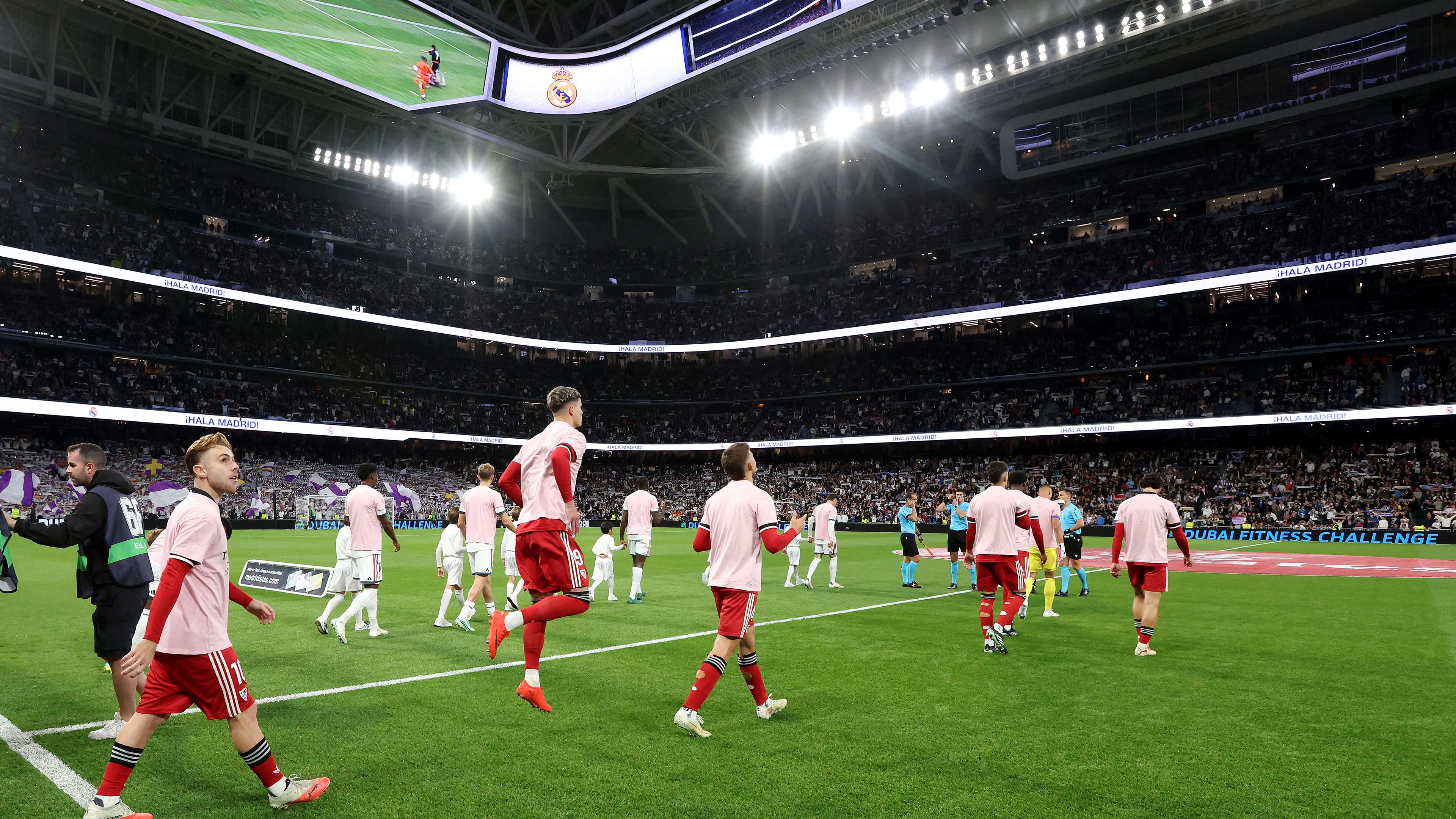
Real Madrid’s meeting with Sevilla at the Santiago Bernabéu was already charged with tension before the first major flashpoint arrived. Home supporters spent nearly five minutes chanting about the Negreira case, Barcelona and LaLiga president Javier Tebas. The atmosphere then intensified when an off-the-ball clash involving Arda Güler and Sevilla’s Piqué sparked a debate over whether the Real Madrid midfielder should have been sent off.
According to Catalan newspaper Sport, referee Mateo Busquets Ferrer missed what it described as a clear red-card offence. Güler remained on the pitch after the incident and later scored Real Madrid’s opening goal, adding another layer of controversy to a match already under scrutiny.
What happened between Güler and Piqué?
The incident took place in the 24th minute, away from the ball and outside the referee’s immediate focus. Güler and Piqué were moving towards Sevilla’s goal as they jostled with one another. Sport reported that the exchange escalated when the Turkish international struck Piqué with an elbow in the area between his neck and face.
Piqué went down in visible pain, but Busquets Ferrer allowed play to continue. The referee was positioned some distance from the confrontation, while the ball was in a different part of the pitch. That separation may help explain why he did not immediately intervene, but it also placed greater importance on the video assistant referee’s review.
Busquets Ferrer was later seen touching his ear as he listened to the VAR team. However, the officials did not recommend that he visit the pitchside monitor, and no red card followed. Güler was therefore able to continue playing.
VAR decision puts officiating under the spotlight
The decision has renewed discussion about how football officials assess off-the-ball incidents. Referees can miss contact when their attention is focused on the ball, but VAR is intended to help identify serious misconduct that may otherwise go unnoticed. A review is not automatic, however: the video team must judge that an incident could amount to a clear and obvious error or a possible red-card offence before recommending an on-field review.
In this case, the VAR team apparently decided that the footage did not meet the threshold for a review. Sport argued that the absence of a close-up camera angle did not make the incident unclear, describing the elbow as a dangerous act. Without an official explanation of the review, it remains difficult to know precisely why the decision was made.
The episode also illustrates a familiar challenge for broadcast coverage: not every camera follows off-the-ball movement. Viewers may see only a brief angle or a distant shot, while officials assess the available footage from multiple feeds. That can leave supporters and analysts debating whether the contact was deliberate, how forceful it was, and whether it warranted dismissal.
Felix and Huijsen booked after the confrontation
Although Güler avoided punishment, two other players received yellow cards in the aftermath. Real Madrid defender Dean Huijsen became involved as he tried to pull Piqué back to his feet, while Sevilla’s Felix stepped in to protect his team-mate. The confrontation led to bookings for both players, even though the original elbow was the action that had prompted the dispute.
Sport highlighted that contrast in its criticism of the officiating: Güler was accused of delivering the elbow, while other players were the ones shown cards. That sequence made the incident particularly frustrating for Sevilla, whose players had to respond to a decision they believed had gone against them before the match could settle back into its rhythm.
Güler’s goal adds to the controversy
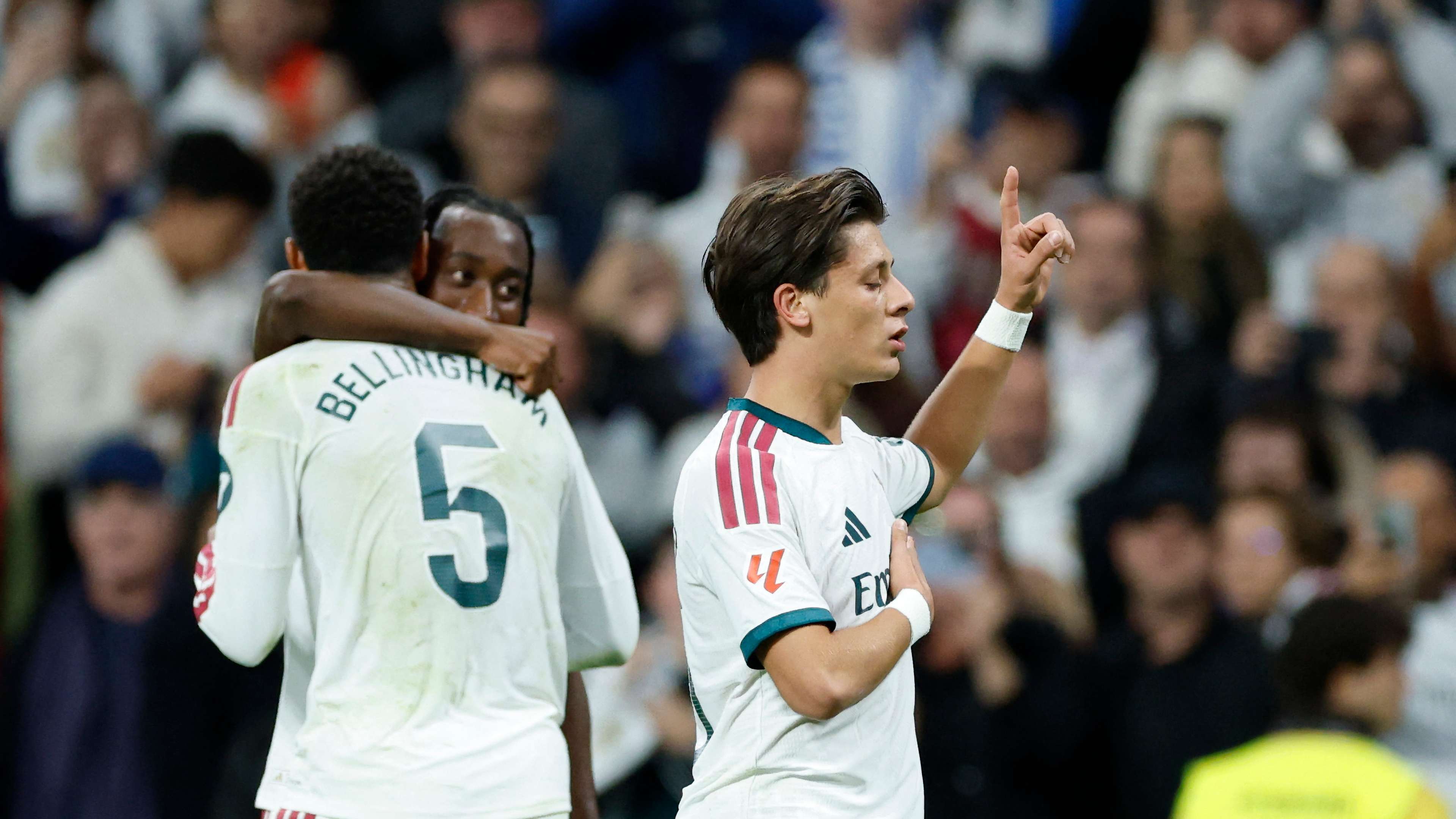
The debate grew louder because Güler went on to score Real Madrid’s opening goal. Had he been dismissed in the 24th minute, he would not have been available to influence the contest in the same way. His goal consequently became linked to the earlier refereeing decision, with Sport arguing that it would always carry a question mark because the midfielder should, in its view, have been sent off.
That does not change the official result or establish that the goal itself was invalid. Rather, it underscores how one major decision can shape the story of a match. A red card would have altered the balance of the game, forced Real Madrid to reorganise and potentially changed the tactical choices available to both managers. Instead, Madrid kept 11 players on the pitch and Güler remained a direct attacking threat.
For Sevilla, the incident represented a missed opportunity to play against a numerical advantage. For Real Madrid, it was a moment of relief that allowed the team to continue with its original plan. Those contrasting consequences are why controversial decisions often dominate post-match discussion, even when a game contains plenty of other talking points.
Potential impact on the Clasico
The incident also has implications beyond the Sevilla match. A dismissal could have resulted in Güler being suspended for Real Madrid’s upcoming Clasico against Barcelona. Because he was not sent off, he remained available for selection, subject to any separate disciplinary action. The prospect of missing such a high-profile fixture would have made the decision even more significant for Madrid supporters.
As the next meeting between Barcelona and Real Madrid approaches, attention is likely to turn to team selection, player fitness and the form of both sides. Any prediction for the Clasico will need to consider those factors, alongside the tactical demands of one of football’s most closely watched rivalries. Güler’s availability may add another option for Madrid, although his role and minutes will depend on the coaching staff’s plans.
For now, the Bernabéu incident remains a flashpoint in the debate over consistency, VAR and the treatment of off-the-ball contact. The referee’s decision stood, but Sport’s criticism has ensured that the question will linger: should Güler have been dismissed, and would the match have unfolded differently if he had been?