
Antonio Cassano criticizes Mourinho and backs Rodrygo in candid Real Madrid interview
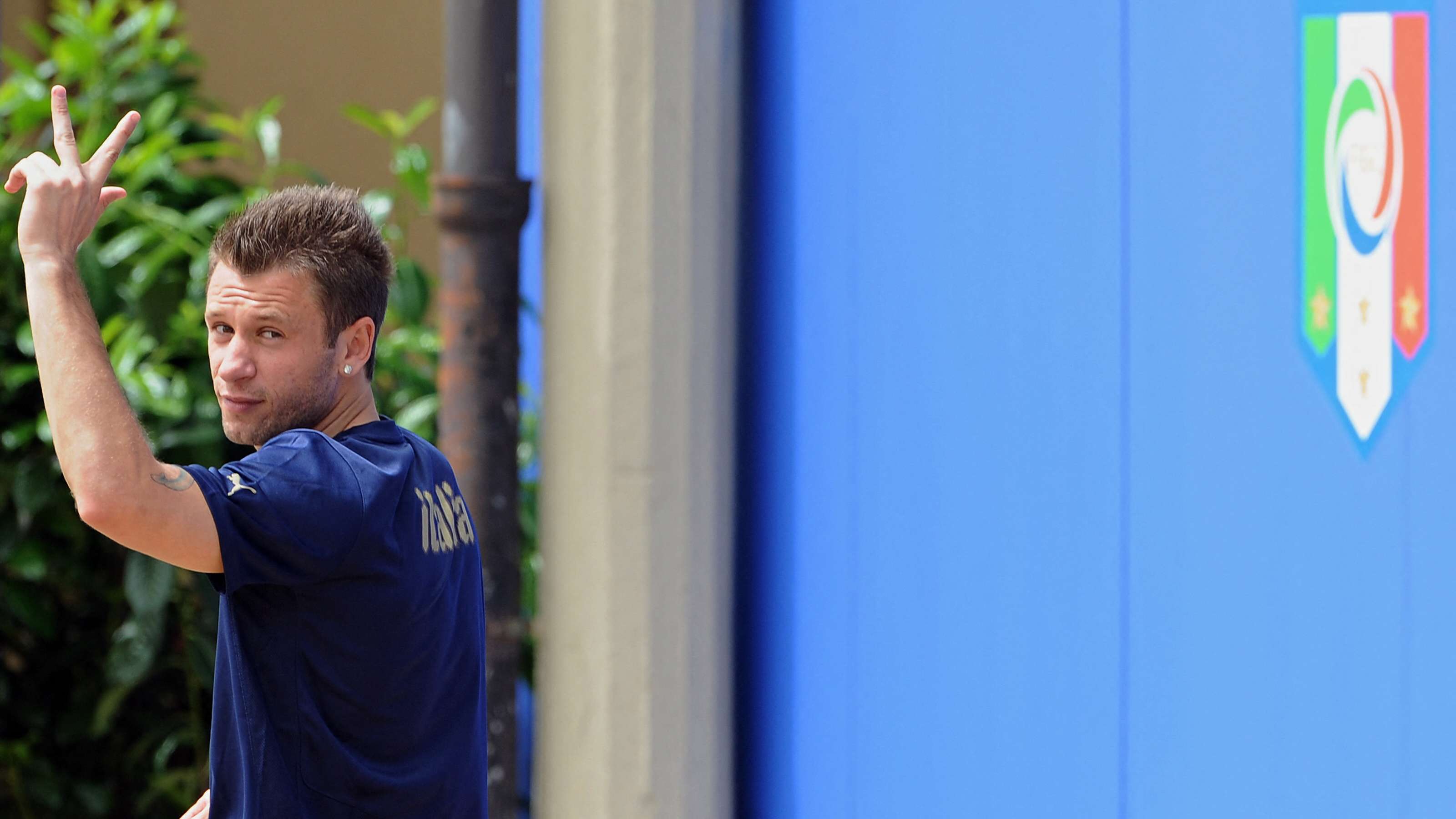
Former Real Madrid forward Antonio Cassano has delivered a series of blunt verdicts on modern football, criticizing José Mourinho’s coaching philosophy, questioning Vinícius Júnior’s status and arguing that Rodrygo deserves greater recognition. In an extensive interview with Spanish newspaper AS, the former Italy international also reflected on his turbulent time in Madrid, named the players he considers the greatest of all time and admitted that his own lack of discipline prevented him from reaching his full potential.
Cassano’s comments combine outspoken opinion with personal reflection. He discussed Real Madrid’s footballing identity, offered a prediction for their meeting with Roma and explained why he believes Barcelona under Hansi Flick provide a useful example of how a team can build a clear style of play.
Cassano says Mourinho’s football has fallen behind
Cassano did not hide his disapproval of Mourinho’s approach, saying he could not understand why Real Madrid president Florentino Pérez chose the Portuguese coach. In his view, Mourinho places too much emphasis on public arguments and controversy, and not enough on the quality of the football itself.
The former forward described Mourinho’s philosophy as outdated, arguing that it had lost relevance over the past decade. Cassano said trophies alone do not settle the debate about a coach’s value: the style and performance a team produces on the pitch matter just as much. He also contrasted Mourinho with Roma boss Gian Piero Gasperini, whom he considers a more adventurous coach. Cassano even suggested that Real Madrid might have scored heavily had Gasperini been in charge instead.
These remarks reflect a broader football debate about how elite teams should balance results with identity. Mourinho’s teams have often been known for defensive organization and tactical pragmatism, while critics argue that such methods can limit attacking freedom. Cassano, by contrast, clearly prefers coaches who encourage proactive, expressive football.
Real Madrid have the advantage, but Cassano expects a test
Despite his criticism of the team’s approach, Cassano believes Real Madrid have the stronger squad ahead of their Champions League encounter with Roma. He put Madrid’s chances of winning at around 80%, while still warning that the match could prove difficult.
His concern is that Madrid can sometimes rely too heavily on individual brilliance. Cassano argued that the team should not retreat and wait for stars such as Kylian Mbappé, Jude Bellingham or Vinícius to rescue a game. Those players have the ability to change matches, but his point is that a side with Madrid’s resources should also impose a consistent collective style.
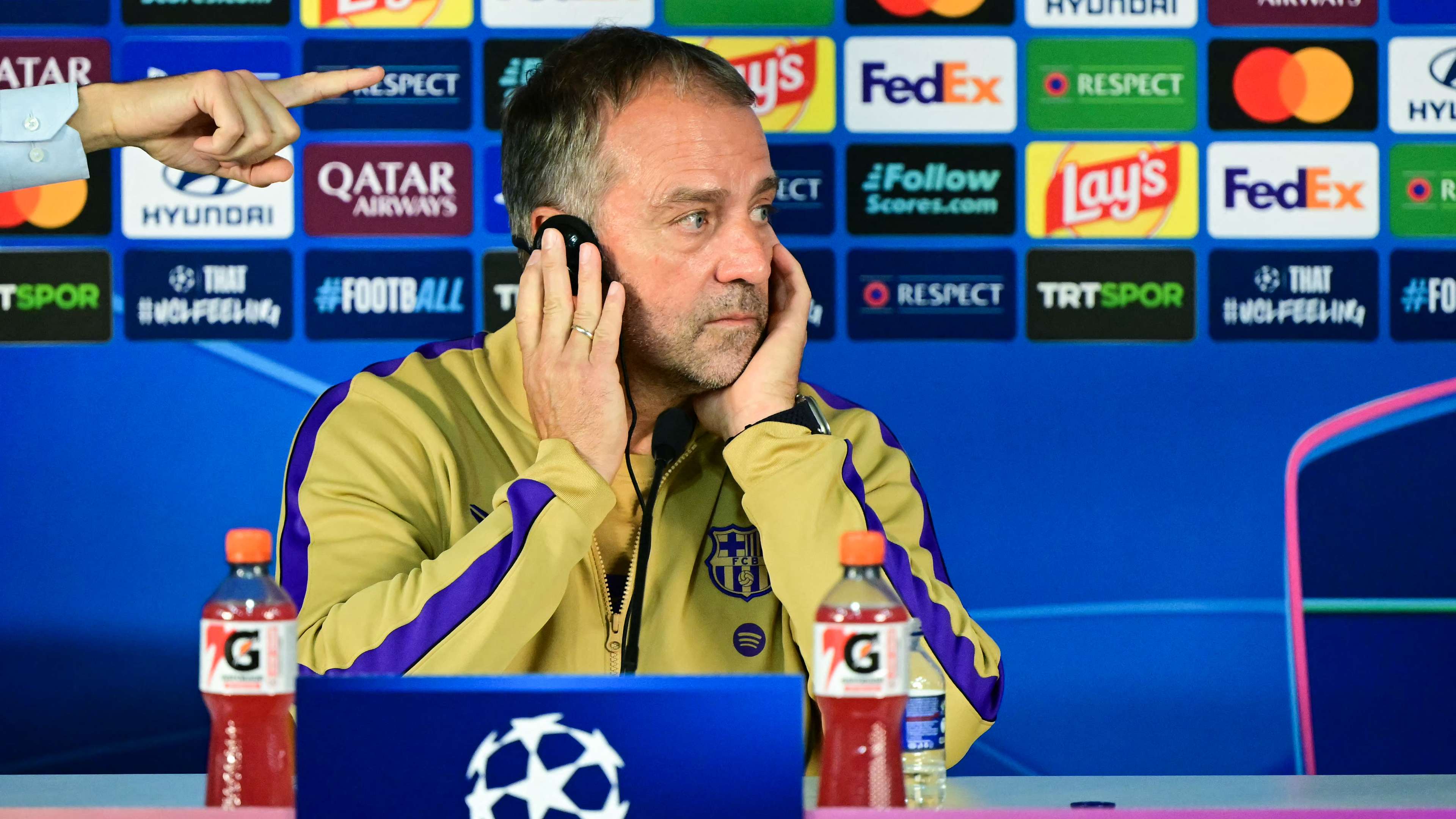
For a useful comparison, Cassano pointed to Barcelona under Hansi Flick. He praised the German coach for giving his team a recognizable identity, with an attacking mindset and responsibility shared across the squad. In Cassano’s view, Madrid could learn from that approach by asking more players to shape games rather than depending on a handful of superstars.
Rodrygo gets Cassano’s backing over Vinícius
One of Cassano’s most striking opinions concerned the competition between Brazilian forwards Vinícius Júnior and Rodrygo. While recognizing Vinícius’ ability to score and influence important matches, Cassano said he does not rate him as highly as some observers do.
He expressed a clear preference for Rodrygo, praising the forward’s potential and saying he would choose him ahead of Vinícius if he were fully fit. That is a provocative position given Vinícius’ prominent role at Madrid, where his pace, dribbling and ability to threaten defenders have made him one of the club’s leading attacking figures.
The comparison is also more complicated than a simple choice between two players. Their roles, fitness and form can vary, and both offer different qualities in the final third. Cassano’s comments are best understood as a personal assessment of their talent rather than a definitive measure of their value to the team. Still, his support for Rodrygo is likely to fuel discussion among Real Madrid fans about who should start in key matches.
Messi, Ronaldo Nazário and Cristiano Ronaldo
Cassano also gave his verdict on football’s greatest players. He placed Lionel Messi above everyone else, describing the Argentine as a once-in-a-generation talent whose level may never be matched. Cassano praised emerging and established stars including Lamine Yamal, Raphinha and Rodrygo, but said he sees Messi as belonging to a category of his own.
He was equally emphatic when comparing Ronaldo Nazário, known as “the Phenomenon,” with Cristiano Ronaldo. Cassano considers the Brazilian striker the superior player at his peak, arguing that injuries interrupted a career that might otherwise have reached even greater heights. His view is bound to divide supporters, particularly because Cristiano Ronaldo’s longevity, goal-scoring records and trophy collection make him one of the most accomplished players in the sport’s history.
The distinction Cassano appears to make is between peak ability and career achievement. Ronaldo Nazário’s explosive dribbling and finishing made him a remarkable forward, while Cristiano Ronaldo’s sustained performance over many seasons has set extraordinary standards for fitness and consistency.
Cassano admits he wasted his Real Madrid opportunity
Some of the interview’s most revealing moments came when Cassano turned the criticism toward himself. He admitted that he failed to make the most of his time at Real Madrid because he neglected training and fitness. He recalled prioritizing food and nights out over preparation and said he gained around 10 kilograms during his spell at the club.
With characteristic humor, Cassano joked that his behavior in Madrid deserved a prison sentence. Beneath the joke was a serious admission: talent alone was not enough. He said he lacked the discipline and willingness to make the sacrifices required to reach his best level.
His memories of the dressing room include greats such as Zinedine Zidane, Ronaldo Nazário and Guti. Cassano said he was fortunate to play alongside them, but acknowledged that he was not mature enough to take full advantage of the opportunity. His comments offer a candid reminder of the demands of professional football, where training habits and preparation can be as important as natural ability.
Capello, Sampdoria and a career without regret
Cassano also spoke warmly about Fabio Capello, who coached him at both Roma and Real Madrid. He admitted that he did not treat Capello properly at the time, but said he now has great respect for the Italian manager. Capello valued commitment, fitness and professionalism—qualities Cassano acknowledged he was failing to show. He described the coach as the most important figure in his career and said they are now on good terms.
Asked which club means the most to him, Cassano chose Sampdoria. He said his time there helped revive his career and also led him to his wife, with whom he has two children. Although he believes his choices cost him the chance to achieve more, he said he is not consumed by regret.
Cassano’s interview is a mix of controversy, football analysis and hard-earned self-criticism. His views on Mourinho, Vinícius and the greatest players are certain to provoke debate, while his recollections of Madrid reveal a more personal side. He may wonder what disciplined preparation could have brought him, but he remains grateful for having played for Roma, Italy and Real Madrid—clubs and teams that, in his words, made his career meaningful.