
Michael Carrick Stung by Old Trafford Anger After Manchester United’s Late Collapse
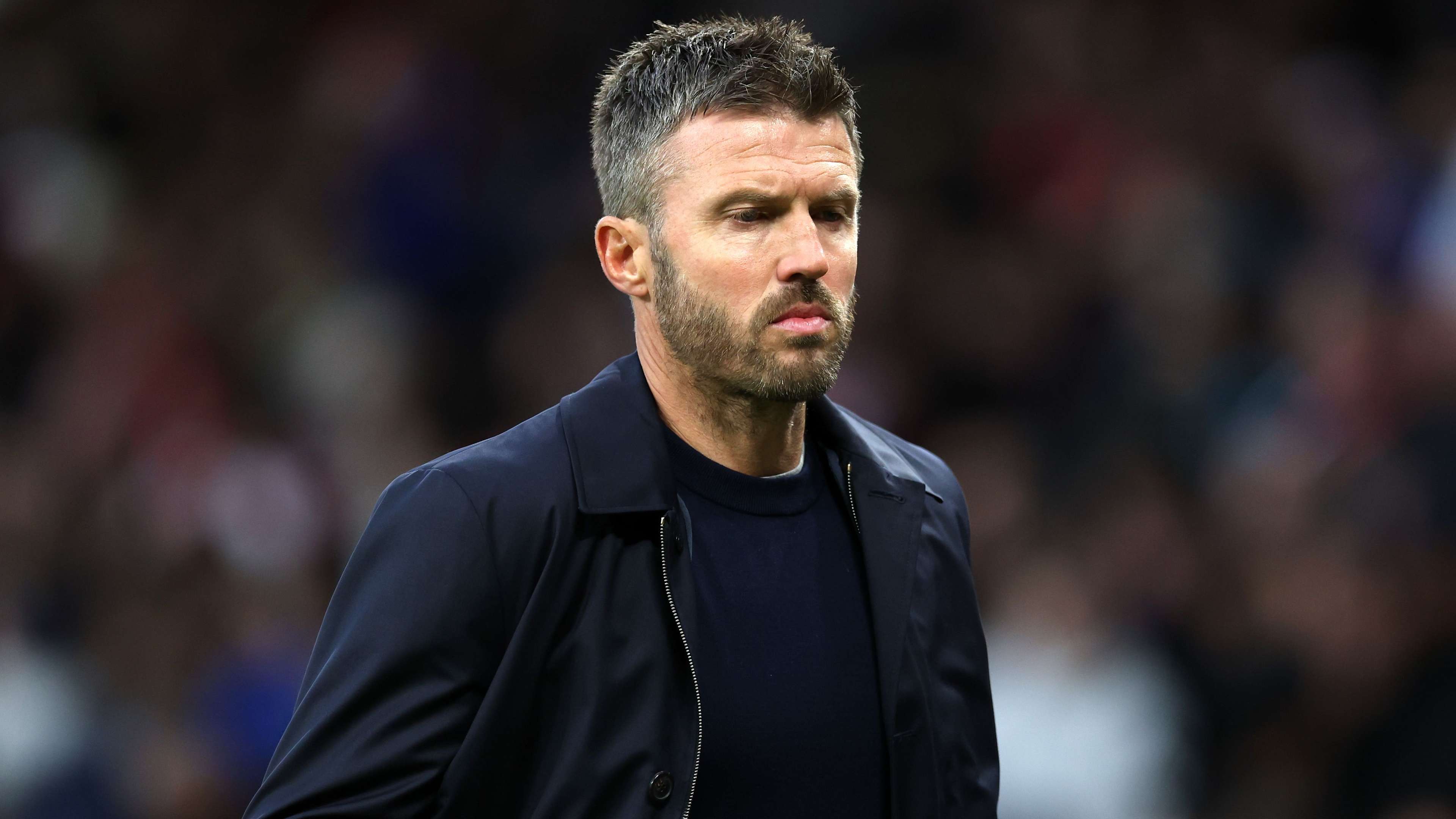
Michael Carrick admitted that the hostile reaction at Old Trafford had affected him after Manchester United surrendered a late lead to draw 1-1 with Tottenham. The result left home supporters frustrated and intensified questions about the manager’s position, with United unable to turn a numerical advantage into a much-needed victory.
For much of the match, the Red Devils appeared to be on course for three points. But their failure to manage the closing stages proved costly, as Tottenham found a way back into the contest and silenced the home crowd. The equaliser transformed the mood inside the stadium, replacing anticipation with anger and renewed scrutiny of United’s performance.
A promising position turns into another setback
United’s central problem was not simply the final score. The team had been given an opportunity to control the game after gaining a man advantage, yet it could not maintain its grip on the match. Instead of using the extra player to slow the tempo, keep possession and stretch Tottenham’s defensive shape, United allowed the visitors to remain in contention.
That failure made the late collapse particularly difficult for supporters to accept. A draw can sometimes feel like a reasonable outcome after a difficult fixture, but dropping points from a winning position tells a different story. For fans already concerned about inconsistency, the result reinforced doubts about United’s ability to close out matches under pressure.
The final stages also highlighted the importance of decision-making when a team is ahead. Protecting a lead requires more than defending close to the penalty area: it calls for composure on the ball, clear communication and disciplined positioning. United did not do enough to remove the danger, and Tottenham capitalised when the home side’s control began to fade.
Carrick acknowledges the impact of the crowd
Carrick’s admission that the atmosphere stung him offered a glimpse into the emotional weight of the occasion. Old Trafford’s crowd has high expectations, and frustration can quickly become unmistakable when a performance falls short. The reaction was not just a response to one late goal; it reflected the disappointment of watching a promising position slip away.
For a manager, criticism from the stands can be difficult to separate from the demands of the job. Carrick is responsible for the team’s tactics, substitutions and preparation, so supporters naturally look to him when results disappoint. At the same time, the players must take responsibility for what happens on the pitch, particularly when they have an advantage and a chance to secure the result.
The challenge now is to prevent the post-match frustration from becoming a distraction. Carrick will need his squad to respond with focus, while also showing that lessons have been learned. Supporters are likely to judge the next performances not only by the scoreline but by whether United display greater control, resilience and clarity in decisive moments.
Why the draw raises questions about United’s direction
Manchester United’s difficulty in protecting a lead has become a central talking point after the Tottenham match. A side competing for major honours must be able to adapt when circumstances change. With an extra player, United should have been able to use the ball more effectively and force Tottenham to spend longer defending. Instead, the visitors stayed alive and eventually earned a share of the points.
That issue has consequences beyond a single result. Repeated late concessions can undermine confidence across the squad, while also making every subsequent fixture feel more pressured. Players may become cautious when defending a narrow lead, and opponents can sense that uncertainty. Rebuilding trust requires consistent evidence that the team can remain organised and composed when the stakes rise.
The match also renewed debate about Carrick’s future. A draw alone does not determine a manager’s fate, but the context matters: United had home advantage, held a numerical edge and appeared close to victory. When those conditions still produce dropped points, questions about coaching, game management and the team’s overall direction are inevitable.
What the result means for Tottenham
Tottenham will view the point as a valuable reward for staying in the contest. Recovering from a difficult position away from home requires persistence, especially when playing with fewer players. Their late response demonstrated that United had not fully taken control, and it gave the visitors a result that could strengthen belief within the squad.
For Tottenham, the comeback may also provide a practical lesson in patience. Even when a match seems to be moving against a team, maintaining defensive discipline and waiting for an opportunity can pay off. United, meanwhile, will be left to examine why it could not make its numerical advantage count.
Football prediction: what comes next for Manchester United?
Any football prediction following this match should be cautious. The draw has increased pressure on Carrick, but the next fixtures will offer a clearer indication of whether United can respond constructively. If the team shows sharper game management and greater confidence in possession, the frustration at Old Trafford could begin to ease. If similar late lapses continue, scrutiny of the manager and his methods is likely to intensify.
United’s immediate priorities are straightforward: protect leads more intelligently, use extra space with purpose and avoid retreating into passive defending. Better communication between the midfield and defence could help the team control transitions, while calmer possession would reduce the amount of pressure placed on the back line. These adjustments are basic in principle, but delivering them consistently is what separates reliable sides from teams that repeatedly let results slip.
The 1-1 draw against Tottenham was therefore more than a missed opportunity. It became a test of Carrick’s ability to handle criticism and of his players’ capacity to respond under pressure. Old Trafford’s anger made the stakes unmistakable: supporters want more than flashes of promise. They want Manchester United to turn an advantage into a result, and to show that late collapses are not becoming a defining feature of the season.