
Fulham Suffer Late Collapse as Ipswich Town Snatch 2-1 Premier League Win
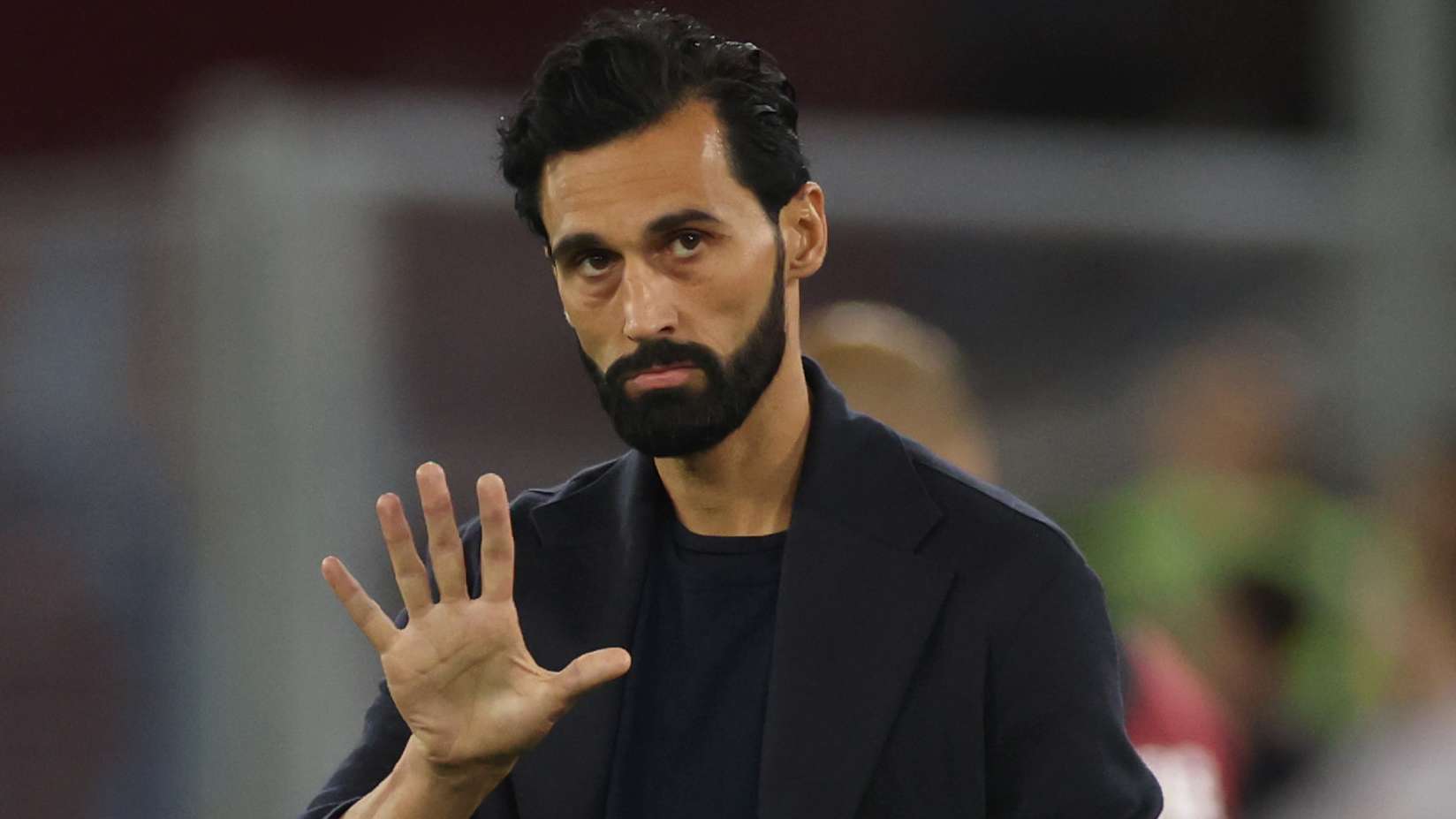
Fulham’s search for a first Premier League victory under Álvaro Arbeloa continued in painful fashion after a dramatic 2-1 defeat to Ipswich Town. Ryan Sessegnon’s second-half strike looked set to reward the visitors for a largely controlled performance, but late goals from Abdoul Ouattara and Dara O’Shea turned the match around and left Fulham empty-handed.
The result deepens Fulham’s early-season crisis. They remain at the foot of the table with just two points after six rounds, while Ipswich climbed to ninth with nine points. For Arbeloa, the defeat was especially difficult to absorb: his side had appeared the more composed and dangerous team for much of the contest, only to lose control in the closing minutes.
Sessegnon Gives Fulham the Lead
Fulham’s performance suggested they had identified how to trouble Ipswich. Alex Iwobi, Josh King, Oscar Bobb and Sessegnon helped the visitors connect their midfield and attack, while their movement and positioning allowed them to dictate possession for long periods. Ipswich struggled to match that control and found it difficult to sustain pressure before the final stages.
The breakthrough arrived in the 55th minute. Sessegnon collected the ball outside the penalty area and struck a superb effort into the net, giving Fulham a deserved lead. The goal reflected the visitors’ stronger spell and appeared to put them in position to manage the remainder of the match.
Fulham had created opportunities before and after scoring, but their failure to make those chances count kept Ipswich within reach. That lack of a second goal would prove costly. Rather than closing the match out, Fulham allowed the home side to grow into the contest as the clock ran down.
Ouattara and O’Shea Complete Ipswich’s Comeback
Ipswich’s response came late, but it was decisive. In the 88th minute, Abdoul Ouattara broke through Fulham’s defensive resistance and produced an excellent finish to level the score. The goal changed the mood inside the stadium and gave Ipswich the belief to push for more.
Fulham were unable to recover their earlier shape. As the visitors retreated towards their own penalty area, Ipswich continued to attack, piling pressure on a defence that had looked relatively secure for most of the evening. In stoppage time, Dara O’Shea found the decisive goal, completing a turnaround that had seemed unlikely just moments earlier.
The late sequence exposed the fine margins that can define a football match. Fulham had spent much of the game controlling possession and creating openings, yet one lapse allowed Ouattara to equalise and another left them vulnerable to O’Shea’s winner. Ipswich, by contrast, made the most of their late momentum.
Fulham’s Control Did Not Translate Into Goals
Reports in Spain described the result as a crushing setback for Arbeloa, who came close to claiming his first Premier League win with Fulham. The assessment was that his team had performed well for roughly three-quarters of the match, but wasted its advantage in a matter of minutes.
Fulham’s attacking play had several encouraging elements. Their midfield combinations helped them move the ball into useful areas, and their ability to occupy space often forced Ipswich to defend deep. Sessegnon’s goal was a fitting reward for that period of superiority. However, control alone was not enough: Fulham needed greater precision in front of goal and more composure when protecting their lead.
Gonzalo García was among the players who struggled to turn promising situations into goals. The former Real Madrid striker has scored once in the Premier League so far, against Chelsea on the opening day, and his drought continued at Ipswich. His work rate, pressing and movement still offer value, particularly when he creates room for teammates, but Fulham need their forward line to convert more consistently.
That distinction will matter as the season develops. A team battling near the bottom cannot rely solely on attractive spells or territorial advantage. It must turn chances into goals, maintain concentration under pressure and find ways to respond when an opponent changes the tempo.
What the Result Means for Both Clubs
For Ipswich, the comeback offers more than three points. Recovering from a goal down so late in the game can strengthen confidence, while the contributions of Ouattara and O’Shea underline the value of staying aggressive until the final whistle. Their rise to ninth place gives the team a useful platform, though maintaining that position will depend on consistency across the coming fixtures.
Fulham face a more urgent challenge. With only two points from six matches, they need to arrest their slide quickly and avoid allowing frustration to take hold. Arbeloa’s side showed enough quality to suggest they can compete, but performances must produce results. The immediate priorities are clear: improve finishing, defend the penalty area more decisively and manage the closing stages with greater discipline.
Next Fixtures and Prediction
Both teams are scheduled to return to Premier League action on 17 October 2026. Ipswich are listed to face Fulham again at 22:00, while Hull are also scheduled to play at the same time according to the fixture information provided. Supporters should check the official league schedule for any updated venue or kickoff details.
Any prediction for the next meeting will depend on whether Fulham can address the weaknesses exposed in this defeat. Their build-up play and midfield control offer reasons for optimism, but Ipswich will take confidence from their late comeback. If Fulham remain wasteful or lose their defensive shape under pressure, the hosts could again find opportunities to punish them. For now, Ipswich have the momentum, while Arbeloa’s side must prove that this painful loss can become a turning point rather than another step towards deeper trouble.