
Michael Carrick Calls for Swift Resolution to Manchester City Financial Case
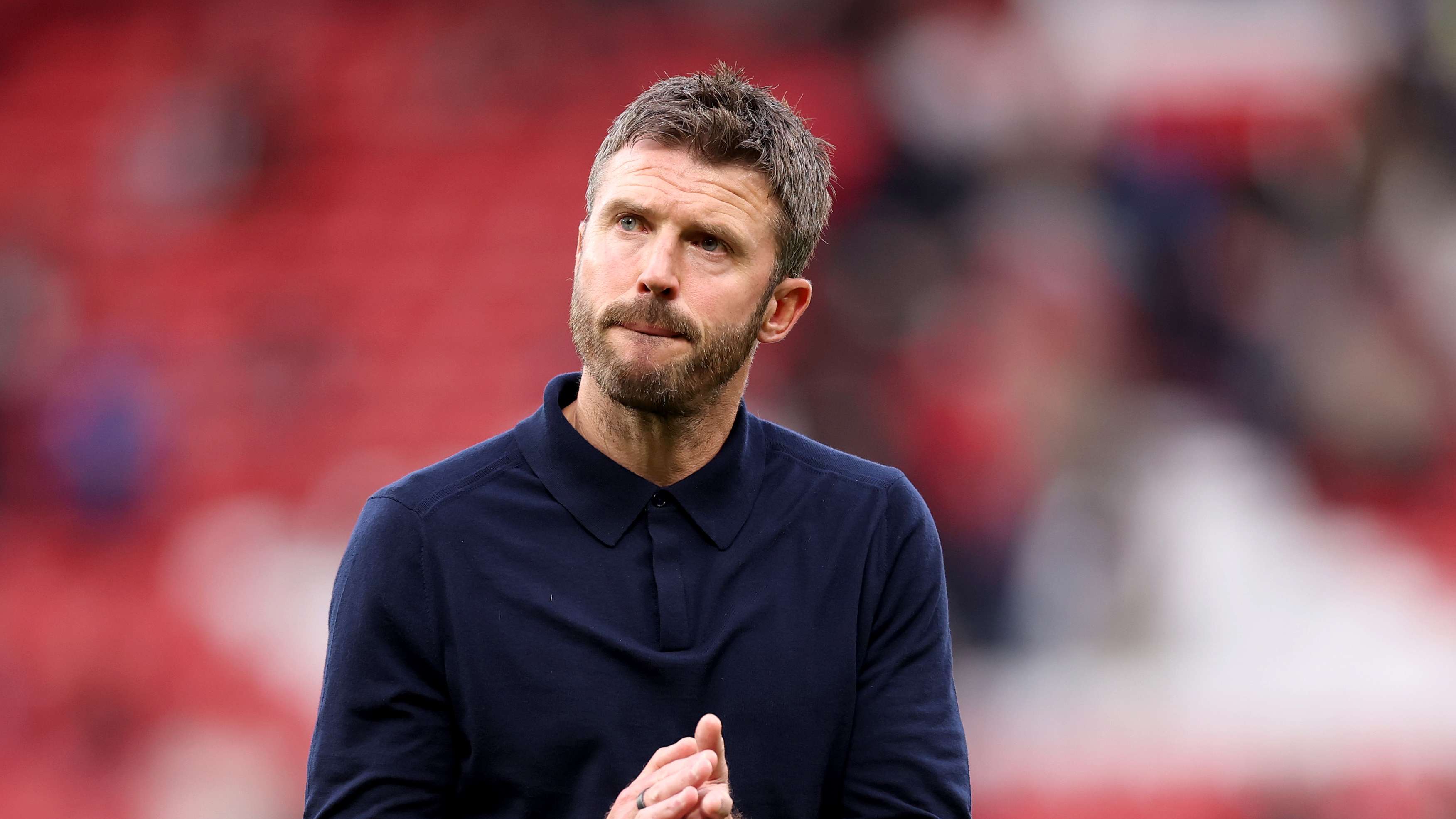
Manchester United manager Michael Carrick has said the ongoing case involving Manchester City has raised important questions and should be resolved as quickly as possible. Speaking ahead of United’s Premier League meeting with Tottenham Hotspur, Carrick acknowledged the difficulty of commenting while the legal process remains active, but said its prolonged uncertainty affects people across football.
The case centres on allegations that City breached Premier League financial regulations over a nine-season period. The league’s independent commission has reportedly found the club guilty of 114 charges, while City have appealed the decision. The appeal process will determine what happens next, and the final outcome could carry significant consequences for the club and the wider competition.
Carrick says the case leaves questions unanswered
Asked about the matter at his Friday press conference, Carrick told the BBC that there were limits to what he could say because the proceedings were ongoing. He noted that some questions had been addressed, while others remained unresolved, and said he did not know how long the process would continue or what its eventual conclusion would be.
“It’s very difficult to comment on the matter in many respects,” Carrick said, adding that he had questions of his own. He also acknowledged that the case had affected him personally at different points, though he did not elaborate on the nature of that impact.
His clearest message was a call for a prompt conclusion. Carrick said that resolving the case as quickly as possible would be in everyone’s interests. That appeal reflects a broader concern across English football: prolonged uncertainty can overshadow sporting achievements, fuel speculation among supporters and make it harder for clubs to plan with confidence.
For now, however, the appeal means the matter remains unsettled. Any discussion of potential sanctions should therefore be treated as conditional rather than as a confirmed outcome. Reports have raised the possibility of serious penalties if City’s appeal fails, including points deductions, title-related consequences or relegation, but the final decision rests with the relevant authorities and will depend on the appeal process.
A case with consequences beyond Manchester
The dispute has attracted attention well beyond the two Manchester clubs. Its eventual outcome could influence how financial rules are enforced, how clubs account for revenue and costs, and how the Premier League handles future investigations. It may also shape public confidence in the consistency of competition rules.
For supporters, the issue is especially sensitive because the alleged breaches cover several seasons in which City competed for major honours. If sanctions were imposed, questions could arise about league standings and the status of titles. But any changes would depend on the commission’s findings, the appeal ruling and the precise penalties applied. Until those steps are complete, speculation about awards being reassigned remains just that: speculation.
That uncertainty is one reason Carrick’s comments resonated. In football, results are usually settled on the pitch, but regulatory cases can revisit the meaning of past campaigns long after the final whistle. A clear and timely ruling would not erase disagreement, but it could give clubs and fans a firmer understanding of where the matter stands.
Carrick reflects on United’s title battles with City
Carrick also looked back on the intense title races he experienced as a Manchester United player. Those contests, he said, captured the emotional force of football: the pursuit of success, the pressure of decisive moments and the lasting memories created by winning or falling short.
He described the journey towards a title as part of the sport’s appeal, alongside the critical moments when events go a team’s way—or turn against it. Once a decisive moment has passed, he said, it cannot be recovered. What remains is the feeling of having reached the top, or the disappointment of missing out.
Those reflections offer useful context for Carrick’s comments on the current case. His perspective is shaped not only by his role as United manager, but also by his experience of competing in some of the Premier League’s most closely watched title races. Sporting rivalries create powerful memories, yet questions about the legitimacy of results can complicate how those seasons are remembered.
Carrick said those emotions are shared by players and supporters alike. The uncertainty, tension and release surrounding major matches are central to football’s appeal, he suggested, because the outcome of a decisive moment can stay with people long after the match itself.
United turn attention to Tottenham
Despite the wider debate, Carrick’s immediate focus is on United’s next fixture. The Red Devils are preparing to host Tottenham Hotspur at Old Trafford, with the match offering a chance to concentrate on the demands of the current Premier League campaign rather than events still being decided away from the pitch.
United’s performance and league position will depend on their results, while the City case follows its own timetable through the appeal process. That distinction matters: a football prediction for the Tottenham match should be based on current form, team news and tactical factors—not on assumptions about a separate legal dispute.
With City’s appeal still pending, the broader case is likely to remain a major talking point in English football. Carrick has made clear that he wants answers, but also recognises that the process must run its course. For clubs, players and fans, the key question now is when a final decision will arrive—and how the Premier League will respond once it does.