
Michael Carrick Sees Progress as Manchester United Draw with Leeds
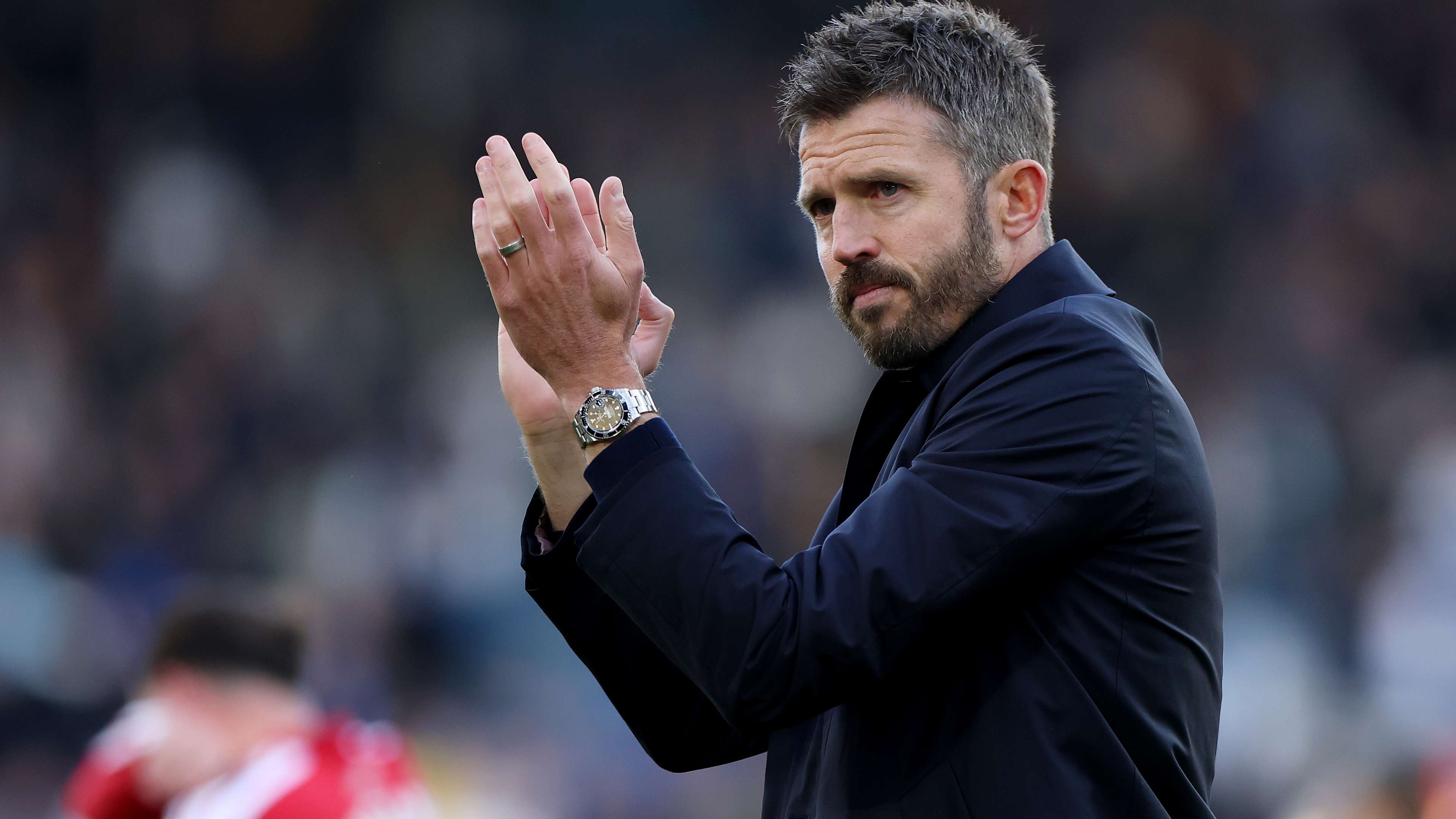
Manchester United manager Michael Carrick believes his team took a meaningful step forward despite being held to a 1-1 draw by Leeds United in the seventh round of the Premier League. The result did not deliver the victory United wanted, but Carrick said the performance offered encouraging signs at a difficult point in the club’s season.
United have collected seven points from their opening seven league matches, with their only win coming against Ipswich Town in the second round. That record leaves little room for complacency, and the pressure to improve is growing. Still, Carrick focused on the commitment and resilience his players showed in a demanding fixture against a Leeds side he described as capable of testing opponents across the pitch.
Carrick Highlights a Step in the Right Direction
Speaking to Sky Sports after the match, Carrick said the display was not flawless but represented progress. He felt the intensity of the contest would have exposed any major weaknesses, making United’s response particularly important.
“It was definitely a step in the right direction,” Carrick said. He added that the players had appeared ready before kick-off, even though the team’s confidence remains below its best. In his view, they continued to try to make the right decisions and showed a willingness to work for one another.
That assessment reflects the challenge facing United: rebuilding belief while results remain inconsistent. A draw cannot resolve those concerns, but a more organised performance may provide a foundation for the next stage of the campaign. For supporters assessing the club’s form, the key question is whether the determination Carrick praised can be sustained over a run of matches.
Defensive effort and team commitment
Carrick pointed to United’s collective defending as one of the more positive aspects of the game. He said there were periods when his side looked very good, particularly when the players worked together to limit Leeds’ opportunities and cope with the hosts’ pressure.
Leeds, managed by Daniel, earned praise from the United boss for the way they challenged his team. Carrick described them as an excellent side that asks opponents difficult questions. Teams that are not prepared to match that intensity, he suggested, risk being exposed. He believed United were sufficiently focused and disciplined to meet the test.
That is a useful measure of progress for a side still searching for consistency. Strong defending is not only about the back line: it depends on midfielders tracking runners, forwards pressing at the right moments and the entire team staying compact. Carrick’s comments suggest he saw those shared responsibilities being carried out with greater purpose.
Rivalry history added to the occasion
The meeting with Leeds carried significance beyond the points on offer. Before the game, Carrick said he spoke with his players about the history of the fixture and what it means to both clubs and their supporters. The rivalry brings an emotional edge, but it also demands composure, concentration and physical commitment.
Carrick said he had no doubt that his players would show the necessary effort. He was keen to see how they responded in the atmosphere and intensity of the match, and he felt the performance contained passion and strength. Although United did not produce a complete display, he viewed their determination to secure a positive result as an important feature.
For fans, that distinction matters. A spirited performance can help restore a connection between a team and its supporters, but it ultimately needs to be matched by improved results. United will need to convert encouraging passages of play into more consistent control and, crucially, victories.
A fresh start, but no reason for celebration
Carrick was careful not to present the draw as a success. He said United would not become carried away because they had failed to win, while describing the match as a possible fresh start given the team’s current situation. His message was one of cautious optimism rather than celebration.
He also stressed that the players are eager to perform for one another and for the club. That sense of shared responsibility could prove important as United attempt to climb the Premier League table. With only seven points from seven games, every upcoming fixture carries added weight, and the team must turn signs of unity into tangible progress.
In football, a change in attitude can be valuable, but it is rarely enough on its own. United will need to improve their attacking efficiency, manage difficult spells more effectively and build confidence through results. Carrick’s challenge is to help the squad maintain the energy he saw against Leeds while sharpening the details that separate a draw from a win.
Line-up changes offer another option
Carrick also discussed changes to the starting line-up, describing the selection as a fresh arrangement with a different spine through the team. He considered that a positive development, while emphasising that the tactical adjustment was relatively small rather than a complete overhaul.
The change was made with Leeds’ strengths in mind, and Carrick said his side had to adapt accordingly. A different central structure can alter how a team progresses the ball, protects the defence and responds to pressure. If the revised combination continues to show promise, it may give the manager greater flexibility when selecting his side for upcoming matches.
That flexibility could be valuable during a busy schedule. United are due to face Sunderland in the Champions League on October 22, 2026, before returning to Premier League action against Leeds on October 26. The quick turnaround will test the squad’s depth and Carrick’s ability to manage workloads while keeping performances competitive.
What the result means for United’s next steps
The 1-1 scoreline leaves Manchester United with work to do, but Carrick’s post-match comments point to a team trying to rebuild its foundations. He saw commitment, improved defensive cooperation and a willingness to adjust tactically. Those qualities provide reasons for cautious hope, although the league table makes clear that progress must soon be reflected in points.
Any prediction about United’s immediate prospects should therefore remain measured. One determined display does not guarantee a turnaround, particularly with confidence still fragile. However, if the players reproduce the focus Carrick praised and become more effective in the decisive moments, the draw with Leeds could be remembered as a useful starting point rather than another missed opportunity.
For now, Carrick’s assessment is straightforward: the performance was imperfect, the result was not enough, but the response showed potential. Manchester United’s next challenge is to build on that effort and prove that this step in the right direction can lead to a more consistent run of football.