
Turkey’s Football Decline Continues Amid Heavy Loss to Italy in the Nations League
In a recent and disheartening display of football, Turkey suffered a significant 4-1 defeat at home to Italy in the UEFA Nations League. The match, held in Bursa, marked another chapter in Turkey’s ongoing struggle to find consistency and form on the international stage. The result has ignited widespread unrest among fans, prompting critical comments from football analysts, team officials, and supporters alike. This defeat not only impacts Turkey’s standings in the league but also raises questions about the team’s current trajectory and future prospects.
Match Summary: A First-Half Collapse Sparks Fan Outrage
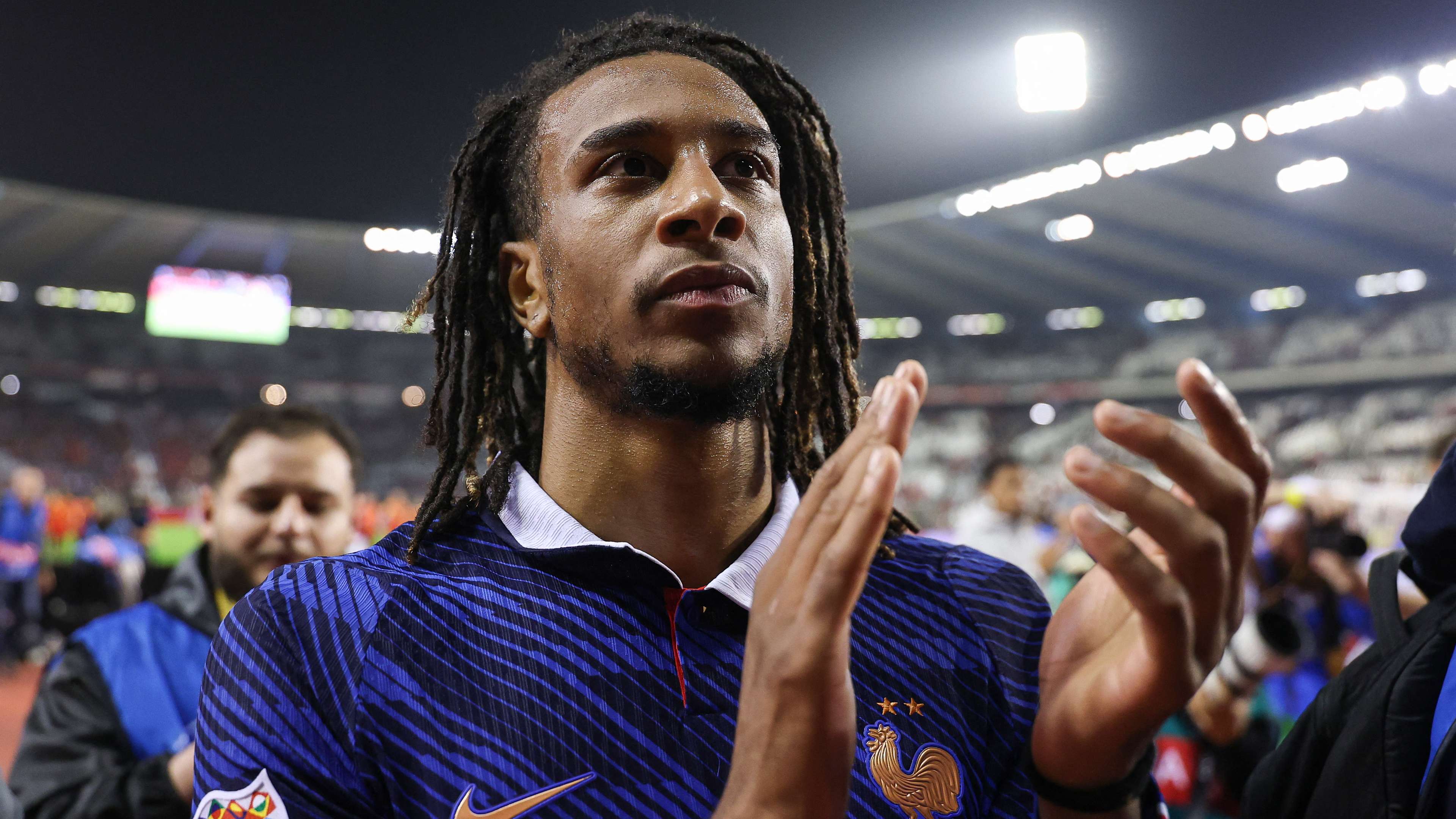
The game started with high hopes from the Turkish supporters, eager to witness their team bounce back after previous setbacks. However, the early moments told a different story. Italian defender Alessandro Bastoni opened the scoring for the visitors in the ninth minute, setting the tone for what was to come. Within the next 20 minutes, Italy’s Davide Frattesi and Michael Kayode extended their lead, leaving Turkey reeling at 0-3 by the 27th minute.
Turkey’s defensive lapses and lack of cohesion were evident, with fans reacting vehemently to the mounting goals. As the third goal went in, the crowd’s frustration boiled over into loud whistles and chants of discontent. Supporters directed their anger at the Turkish Football Federation (TFF), with many calling for leadership change. During the match, reports indicated that TFF President Ibrahim Haciosmanoglu left the stadium early, perhaps out of frustration or disappointment.
Manager Vincenzo Montella Confronts the Crisis
Post-match, Turkish head coach Vincenzo Montella faced the media, acknowledging the team’s poor performance and the fans’ reactions. In an honest and somber tone, he admitted, “In the first half, we deserved the boos and whistles.” He emphasized that the team must learn from such experiences and highlighted the challenges of maintaining focus and physical stamina, especially given the demanding schedule of international fixtures.
Montella’s comments reflected a recognition of the team’s current limitations. “Playing at this level every three days requires a level of concentration and experience that we are still developing,” he explained. He also expressed understanding of the fans’ anger, cautioning that emotional reactions are part of the passionate football culture, but stressed the importance of staying united and focused on improvement.
Player Reactions and the Path Forward
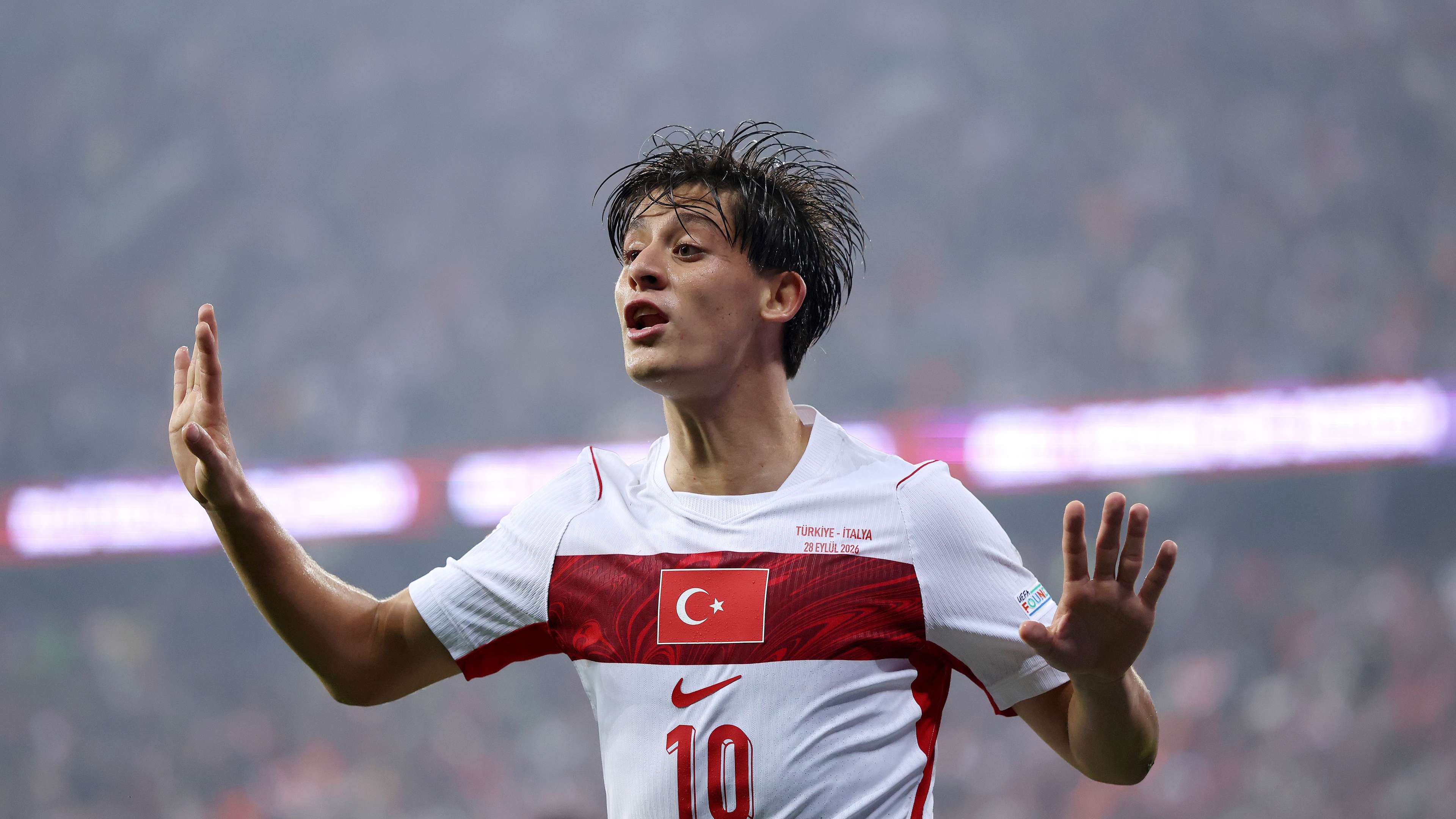
Captain Merih Demiral was candid in his post-match interview, expressing regret and pride in the team’s efforts. “We apologize to our country. That was not worthy of us,” he said. “We are ashamed of this performance, and we need to do better.” Despite the heavy defeat, Turkey managed to pull one goal back through Baris Yilmaz less than 90 seconds after the restart, igniting a flicker of hope among supporters.
However, Italy’s Pio Esposito quickly restored the three-goal lead, silencing any momentum Turkey hoped to build. Yilmaz scored again, but an offside decision thwarted the possibility of a comeback, leaving the final score at 4-1. The match raised serious questions about the team’s defensive resilience and tactical adaptability in high-pressure situations.
Fan Sentiments and the Future of Turkish Football
The anger among fans was palpable, with Zeki Celik voicing his frustration: “No matter how good Italy may be, a 4-1 at home should not have happened!” The supporters’ chants calling for the resignation of the TFF demonstrated their discontent and longing for a turnaround. Many are calling for structural changes within Turkish football to restore national pride and competitiveness.
Looking ahead, the team faces two crucial upcoming matches: a clash with Belgium on October 2 and a return fixture against Italy on October 5. With zero points in the group standing behind France and Belgium, Turkey’s path to qualification appears challenging. Football prediction experts suggest that unless significant improvements are made, Turkey could struggle to secure vital points, and their chances of progressing in the Nations League remain uncertain.
Montella’s Stance: No Resignation, Only Commitment
Despite mounting pressure, Vincenzo Montella dismissed the idea of resigning as Turkey’s head coach. He reaffirmed his belief in the team’s potential and his dedication to turning things around. “I believe in the work I have done,” he stated. “Even when tempting offers come, I do not leave. I stand behind our players, and I am confident we can improve.”
Montella emphasized the importance of mental resilience and team cohesion, acknowledging that rapid development is necessary for success. His comments reflect a coach committed to rebuilding confidence and tactical discipline, even amid setbacks.
Expert Predictions and the Road Ahead
Football analysts and prediction experts are closely monitoring Turkey’s next fixtures. The consensus suggests that while the team faces an uphill battle, there remains hope for redemption if tactical adjustments and mental fortitude are prioritized. Many experts highlight the need for increased defensive organization, better squad rotation, and fostering a more cohesive team spirit to improve prediction outcomes in upcoming matches.
Furthermore, the overall trajectory of Turkish football is under scrutiny. Industry insiders believe that this period of adversity could serve as a catalyst for structural reforms, youth development programs, and strategic investments to elevate the national team’s performance in future international competitions.
Conclusion: A Critical Juncture for Turkish Football
The heavy defeat to Italy has served as a wake-up call for Turkish football. With fans demanding accountability and experts weighing in on tactical shortcomings, the team must now focus on immediate improvements to salvage their campaign. The upcoming matches against Belgium and Italy will be pivotal in determining whether Turkey can reverse its fortunes or face continued struggles.
As the nation hopes for a resurgence, the emphasis remains on resilience, tactical discipline, and strategic planning. The football prediction landscape indicates that with the right adjustments, Turkey could still turn the tide and regain their competitive edge on the international stage.
For now, all eyes are on the team and coaching staff to demonstrate their ability to learn from setbacks and emerge stronger. The road ahead may be challenging, but with determination and collective effort, Turkish football can aspire to a brighter future.