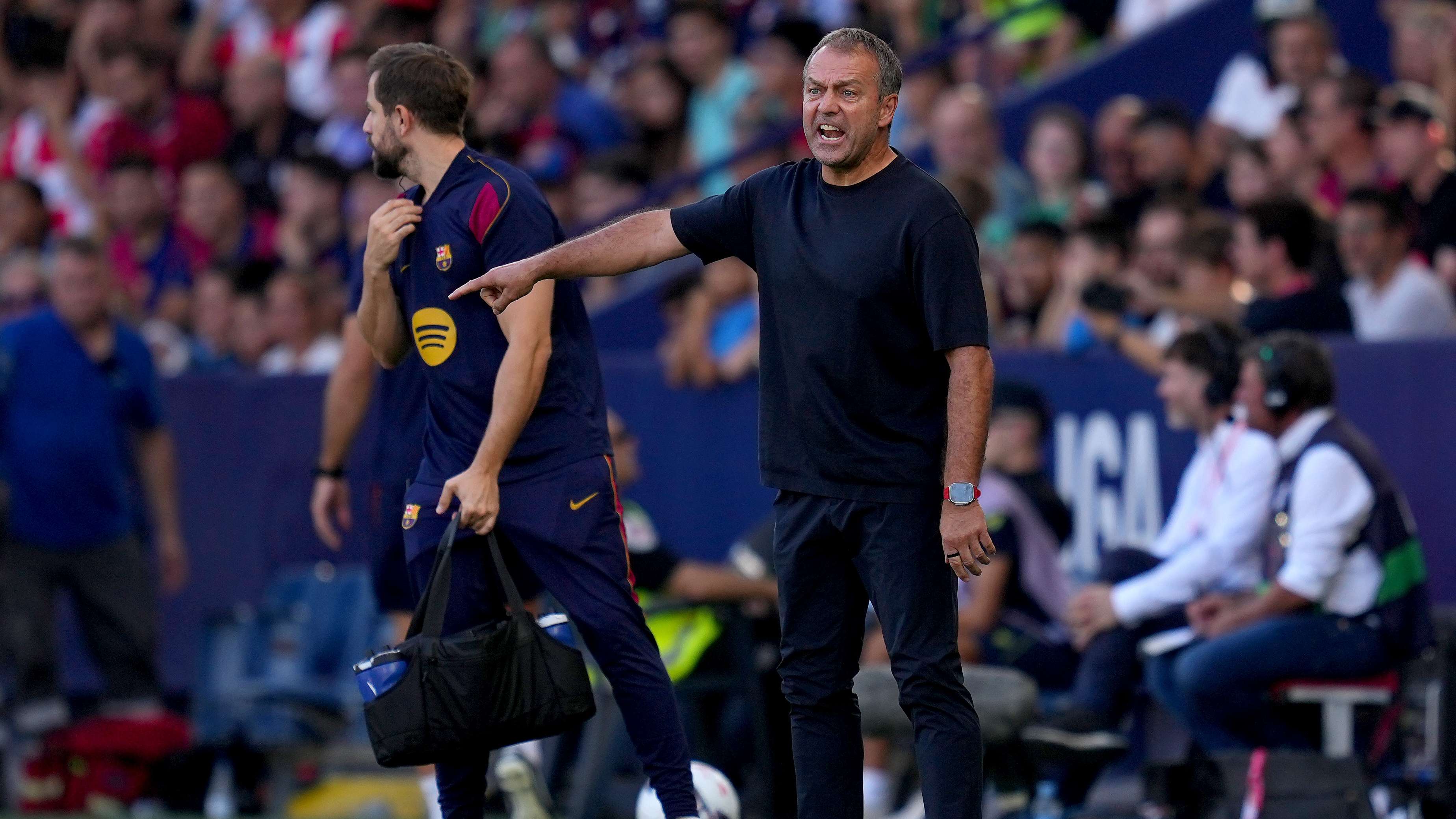

Fabregas rues missed opportunity as Como fail to break down 10-man Roma
Cesc Fabregas admitted he was left with significant regret after Como were unable to turn a numerical advantage into victory against Roma at the Stadio Giuseppe Sinigaglia. The visitors played much of the second half with 10 men after Donyell Malen was sent off in the 53rd minute, but Como could not find the goal that would have completed a potentially important win.
For Fabregas, the disappointment was not simply about dropping points. His young side had a clear opportunity to take control of the contest once Roma were reduced to 10 players, yet struggled to show the patience and composure needed to make their advantage count. The result offered a reminder that having more players on the pitch does not automatically guarantee a breakthrough—especially against an organised opponent determined to protect a result.
Como could not make the extra player count
Malen’s dismissal changed the shape of the match. Roma were forced to adjust their defensive approach, while Como had more space and possession to work with. In theory, the circumstances favoured the hosts: they could stretch the pitch, move the ball from side to side and look for openings as Roma’s players covered additional ground.
Instead, Como found it difficult to turn that territorial advantage into clear opportunities. Fabregas felt his team lacked patience, a quality that becomes particularly important when a side is defending with 10 players. Roma were able to narrow the spaces in front of their defence, making it harder for Como to play through the middle. The longer the visitors held their shape, the more important it became for the hosts to move the ball intelligently rather than force a risky pass or attempt to create a chance too quickly.
That challenge is familiar in football. A team facing a numerical disadvantage will often retreat, protect the most dangerous areas and invite the opposition to attack from wider positions. The side with 11 players must then find ways to shift the defensive block, create mismatches and deliver accurately when space appears. Como had the advantage in numbers, but the match demanded sharper decision-making and more controlled attacking movement than they could consistently produce.
Fabregas points to a learning curve for his young team
Fabregas’s regret reflects the expectations he has placed on a developing Como side. The former Spain international has built his coaching reputation around proactive football, technical quality and a willingness to take the initiative. But the Roma match showed that ambition alone is not enough. Young players also need to recognise when a game calls for calm circulation, when to change the tempo and when to wait for an opening instead of trying to manufacture one immediately.
Patience does not mean slowing every attack or avoiding risk altogether. It means selecting the right moment to accelerate. Against a compact defence, repeated forward passes into crowded areas can make possession easier to defend. Switching play, using the full width of the pitch and drawing opponents out of position can create more useful spaces. Once a defender is forced to step forward, a well-timed run or quick combination may offer a better route to goal.
For Como’s younger players, this type of contest can provide valuable experience. Matches against 10 men are often more complicated than they appear because the team with fewer players has a clear defensive task, while the stronger side must take responsibility for creating the game’s decisive moment. Fabregas will want his squad to learn from the frustration rather than allow it to become a recurring problem.
Roma’s resilience made the task harder
Roma deserve credit for the way they responded after Malen’s red card. Losing a player so early in the second half could have unsettled the visitors, but they remained organised and committed to the defensive work required to stay in the contest. Their ability to limit Como’s effectiveness helped turn the closing stages into a test of the hosts’ creativity and composure.
For Roma, securing a result under pressure would represent a demonstration of resilience. A team reduced to 10 players must communicate constantly, cover spaces efficiently and make disciplined decisions, particularly when defending near its own penalty area. Even when the opposition has more possession, a compact shape can frustrate attacks and increase the importance of every clearance, interception and save.
The red card also altered the balance of risk. Roma had little reason to commit extra players forward, while Como were expected to take the initiative. That dynamic can make a match feel one-sided without necessarily producing a steady stream of high-quality chances. The home side had to find a way around Roma’s defensive structure, not merely keep the ball.
What the result means for Como’s season
In the wider context of the season, the match is likely to be judged as a missed opportunity for Como. Points are especially valuable when a team is trying to build momentum, establish itself in the division or close the gap on clubs above it. A win over a major opponent would have offered a significant boost, while failing to score against 10 men leaves Fabregas with clear areas to address.
However, one frustrating result does not define a campaign. Como can take encouragement from the fact that they were able to put Roma under pressure and had the opportunity to exploit the dismissal. The next step is turning that control into more precise attacking football. Better movement between the lines, quicker switches of play and improved decision-making around the penalty area could help the team make similar situations count in future matches.
For supporters looking ahead, the performance also adds an important detail to any football prediction involving Como. The team’s potential is evident, but its ability to break down a deep defence remains a key factor when assessing future fixtures. Opponents may increasingly look to frustrate Fabregas’s players by defending in numbers, particularly if Como are expected to dominate possession.
Patience will be central to Como’s next test
Fabregas’s candid reaction suggests he sees the draw as an opportunity for improvement as much as a result to regret. His young squad must learn to manage the emotional and tactical demands of matches in which the opposition sits deep and time becomes an enemy. Staying composed, varying the point of attack and maintaining a clear structure can be just as important as pressing forward with intensity.
Como’s failure to defeat 10-man Roma will sting, especially because the path to victory appeared to open after Malen’s dismissal. But the lesson is clear: numerical superiority must be supported by patience, creativity and precision. If Fabregas can help his players turn those qualities into consistent habits, the disappointment at the Stadio Giuseppe Sinigaglia may ultimately become a useful step in the team’s development.