
Younès Belhanda Says Morocco World Cup Snub Still Hurts Years Later
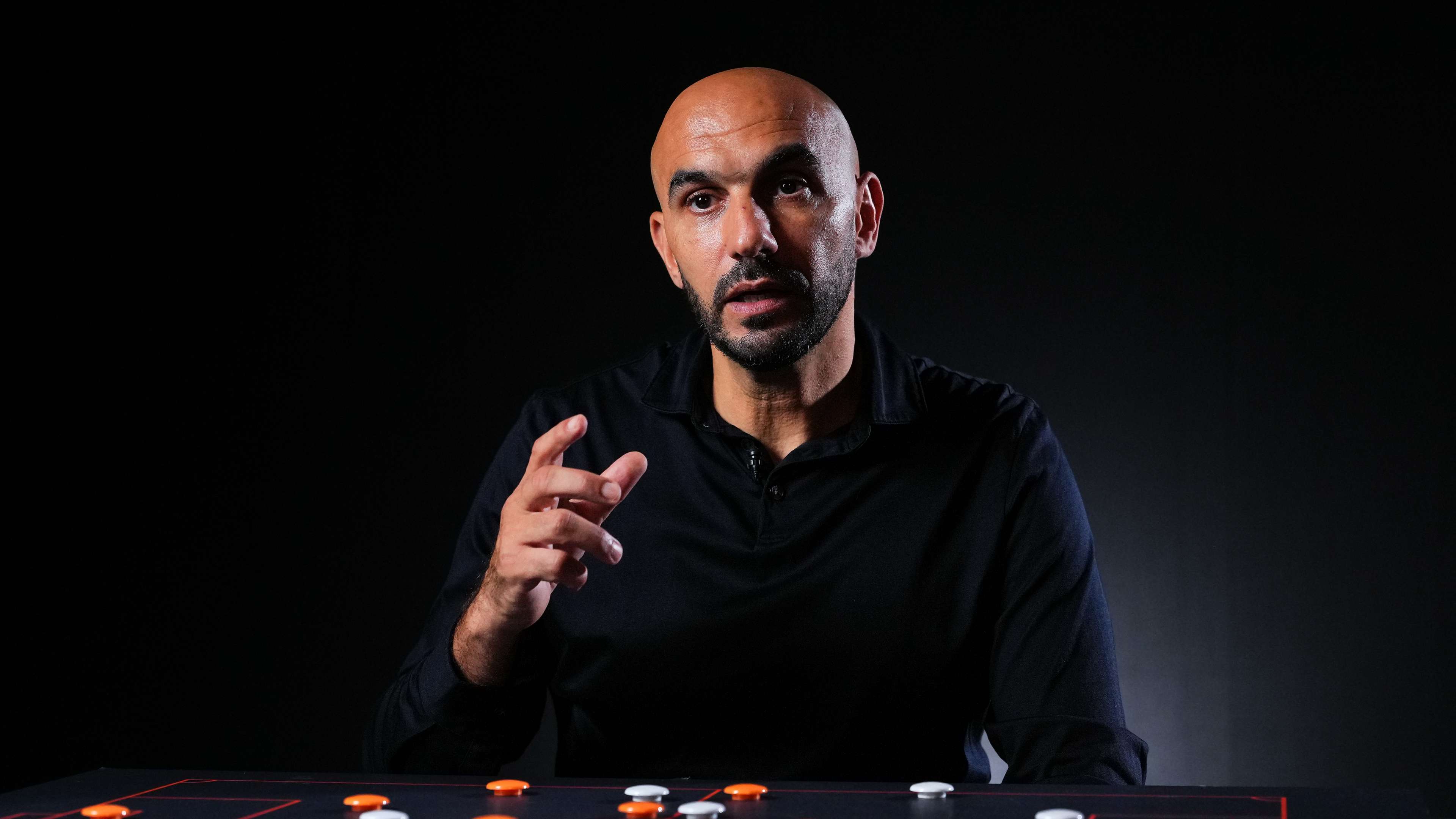
Former Morocco midfielder Younès Belhanda has spoken candidly about the lasting anger he feels toward ex-coach Walid Regragui after being left out of the Atlas Lions’ squad for the 2022 FIFA World Cup. Morocco went on to make history in Qatar, becoming the first African and Arab nation to reach a World Cup semi-final—but Belhanda says the team’s remarkable run was overshadowed by the way he learned he would not be part of it.
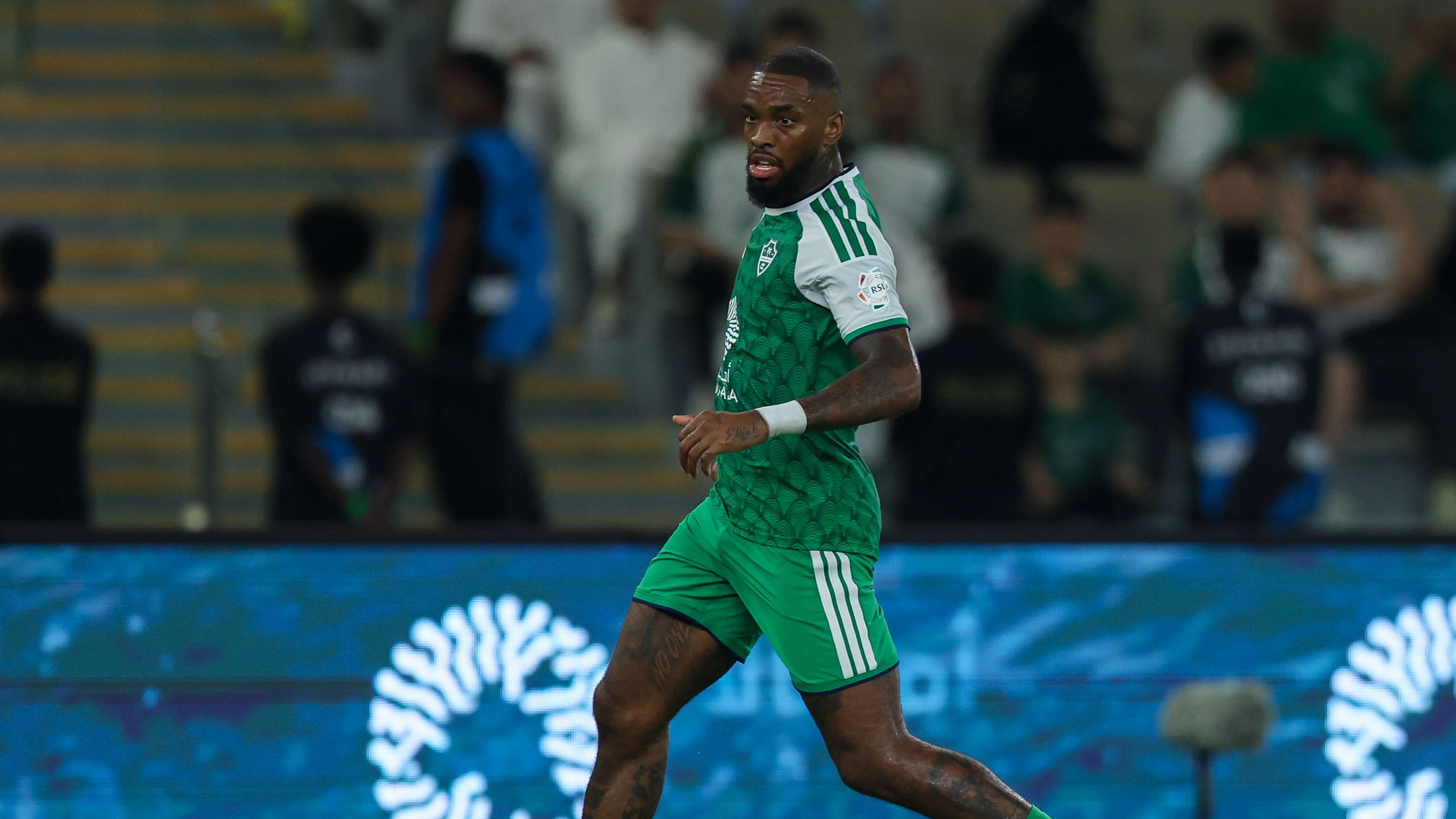
The 36-year-old, who has earned 59 caps for Morocco and now plays for Qatar’s Al-Sailiya, described the decision as deeply painful. Speaking on Rio Ferdinand Presents, in comments reported by Spanish newspaper Marca, he said his resentment remains unresolved.
“Even today, I still hold a grudge against Walid Regragui. I did not understand it,” Belhanda said. “He did not even call me, nothing at all. It was very painful, and I have not got over it even now.”
A World Cup prediction that changed Belhanda’s hopes
Belhanda’s frustration was not simply about missing a major tournament. He had reason to believe he might return to the national setup after Regragui took charge of Morocco, replacing Vahid Halilhodžić ahead of the World Cup. The two men already knew each other well: Regragui had previously worked as Belhanda’s assistant coach, and they had maintained a close relationship.
Belhanda said he had spent around two years away from the national team before Regragui contacted him shortly before the tournament. That call, he recalled, gave him hope that he could still earn a place in Morocco’s plans. For a player with extensive international experience, the possibility of joining the squad appeared realistic enough to make the eventual omission especially difficult to accept.
“I had spent two years without being called up to the Morocco national team, and my relationship with Walid Regragui was very close,” he explained. “He was my assistant coach, and we talked a lot. Then he called me to call me up to the team right before the World Cup, and gave me hope.”
The sudden shift from renewed contact to exclusion left Belhanda struggling to understand what had happened. He said the decision affected him, although it did not destroy him. The lack of a direct explanation, however, became the part he found hardest to move past.
Why the lack of communication mattered
Belhanda said he tried to contact Regragui on the day Morocco’s final World Cup squad was announced. According to the midfielder, the coach did not answer. Belhanda wanted a straightforward conversation, even if the conclusion remained unchanged: he believed an honest explanation would have helped him accept the decision.
“I just wanted an explanation,” he said. “Be a man and tell me: ‘Younès, I make my decisions.’ I was no longer 15 years old, I was 32. I would have understood it, and accepting it would have been easier.”
His comments highlight how selection decisions can affect players beyond their immediate football careers. Coaches must make difficult choices based on form, tactics, fitness and the balance of a squad. But for an experienced international, clear communication can also matter. Belhanda’s account suggests that, in his view, the silence surrounding the decision caused more lasting damage than the omission itself.
There is no indication that the dispute changed Morocco’s achievement in Qatar, or that Belhanda’s absence was the sole factor in his relationship with the national team. Instead, his remarks offer a personal account of how a high-profile selection decision can be remembered long after the tournament has ended.
Morocco’s historic run became difficult to watch
Morocco’s 2022 campaign was one of the defining stories in international football. The Atlas Lions defeated several established teams on their way to the semi-finals, inspiring supporters across Africa and the Arab world. Yet Belhanda said his anger was so intense that he distanced himself from the team’s progress rather than sharing in the celebration.
“I did not care, and I did not even watch the matches,” he said.
That reaction shows the depth of his disappointment. A World Cup is a rare opportunity for any player, and Morocco’s run made the tournament even more significant. For Belhanda, watching the team succeed without him appears to have brought the exclusion into sharper focus rather than easing the hurt.
He also referred to the 2025 Africa Cup of Nations final against Senegal as an example of how his connection to the national team had changed. Although he watched the match, he said he did not follow it with the same emotional involvement he once felt when watching Morocco play.
“I watched the 2025 Africa Cup of Nations final against Senegal, but I did not follow it the way I follow Morocco national team matches,” he said. “You can see how far this anger reached.”
A personal dispute amid a wider football debate
Belhanda’s account is likely to renew discussion among fans about the balance between a coach’s authority and the way players are informed of major decisions. In international football, squad places are limited, and even respected veterans can be left out when a manager chooses a different tactical approach or prioritises other options. Selection is part of the job—but the human impact can remain long after the final whistle.
Regragui’s Morocco side ultimately delivered an extraordinary result in Qatar, while Belhanda’s comments focus on the private disappointment behind that public success. His experience also illustrates why a football prediction about a player’s role can change quickly: a call-up may raise expectations, but only the final squad confirms a place at the tournament.
For now, Belhanda says the episode remains unresolved. His remarks do not change Morocco’s historic World Cup achievement, but they reveal another side of the story: the personal cost of missing a defining moment, and how a lack of communication can leave a player feeling excluded even years later.