
Atalanta Injury Update: Scalvini and Kessié Face Further Assessment
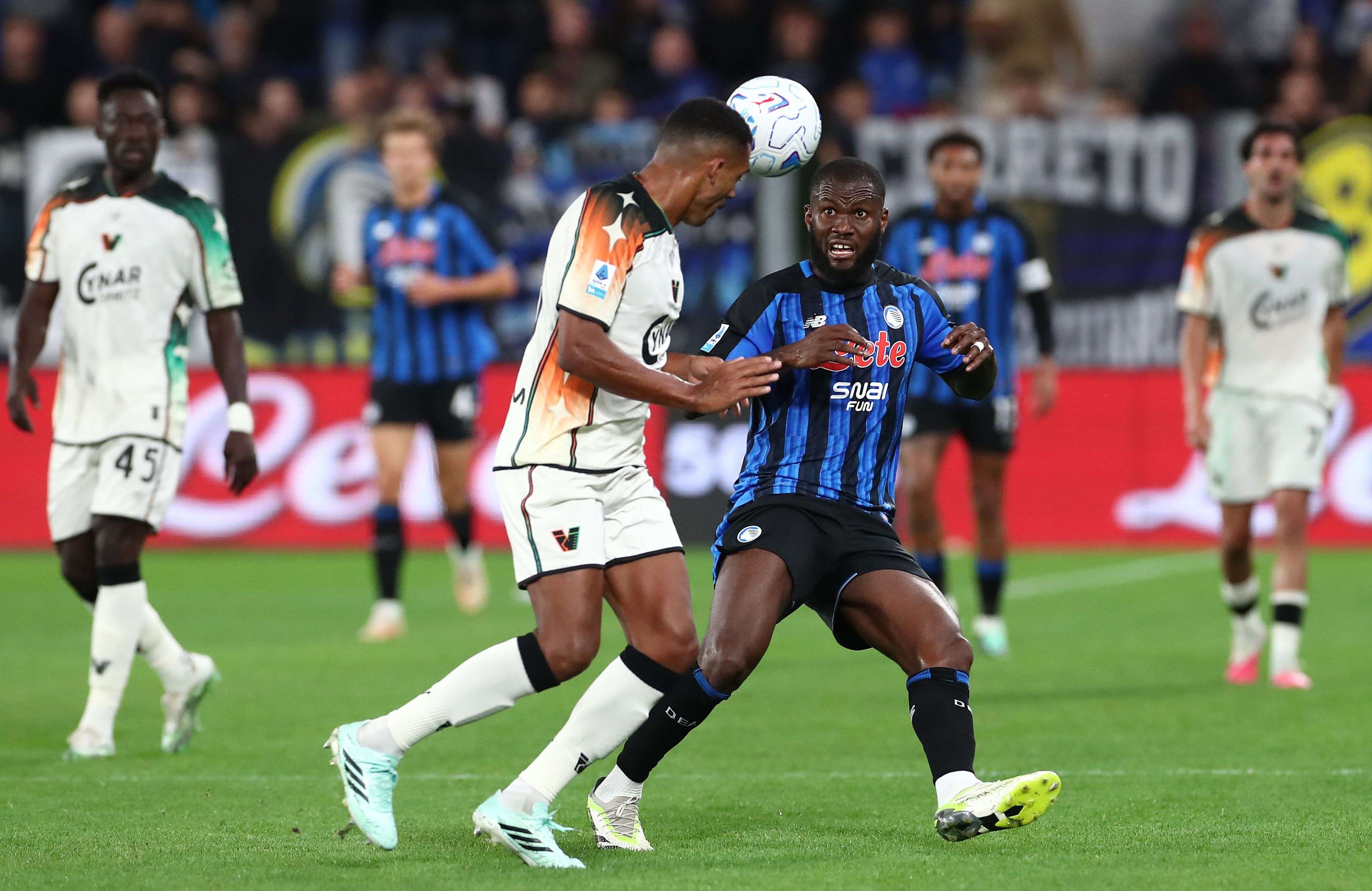
Atalanta have provided an update on Giorgio Scalvini and Franck Kessié after medical tests revealed separate muscle problems. Scalvini has suffered a low-grade strain affecting the flexor muscles in his left leg, while Kessié is dealing with an overload in his right calf. The club will monitor both players closely, with further assessments planned in the coming days.
The update offers some clarity for Atalanta supporters, but it does not yet confirm when either player will return to action. A mild strain can still require careful management, and calf overload may call for rest or adjustments to training. The club’s decision to review Scalvini and evaluate Kessié day by day suggests that their availability will depend on how they respond to treatment and recovery work.
What the Tests Revealed
Scalvini’s left-leg strain
Tests confirmed that Scalvini has sustained a low-grade strain in the flexor muscles of his left leg. These muscles help control movement around the leg and are important for actions such as accelerating, changing direction and striking the ball. Even a minor injury can affect a footballer’s ability to perform those movements comfortably, particularly in a demanding match.
Atalanta have not announced a specific recovery timeline. Instead, they plan to reassess the defender in the coming days. That approach allows the medical staff to track his symptoms and response to treatment before deciding whether he can resume full training. Until the club provides another update, any estimate of his return should be treated as uncertain.
Kessié’s right-calf overload
Kessié’s examination showed an overload in his right calf. Unlike a confirmed muscle tear, an overload can describe a muscle that has been placed under excessive stress without a clearly identified rupture. It may be associated with fatigue or a build-up of physical strain, but the club has not disclosed the precise cause or severity in this case.
Atalanta say they will assess Kessié day by day. His progress will therefore be judged through regular checks rather than against a publicly stated recovery schedule. The immediate priority is likely to be managing the workload on his calf and avoiding a return to strenuous activity before the discomfort has settled.
Why the Injury News Matters for Atalanta
The fitness of both players matters because they offer different qualities to the squad. Scalvini is a defender whose reading of the game, positioning and ability to contribute in possession can help Atalanta build from the back. If he is unavailable, the coaching staff may need to adjust its defensive combinations or rely on other players to cover his role.
Kessié brings experience and physical presence to midfield. His ability to compete for possession, support transitions and help protect the defence can be valuable across a long schedule. If his calf problem limits his availability, Atalanta may have to redistribute minutes among their midfield options, potentially changing the balance of the team in upcoming fixtures.
Neither injury update confirms that the players will miss a particular match. Their status will depend on the timing of Atalanta’s next fixtures and the results of the follow-up assessments. Supporters should therefore distinguish between confirmed medical information and speculation about selection or return dates.
Recovery, Training and Return-to-Play Decisions
Muscle issues are managed carefully because returning too soon can increase the risk of aggravating the problem. A player may feel better during everyday movement yet still not be ready for the repeated sprints, sharp turns and physical challenges of competitive football. Medical staff typically consider symptoms, strength, mobility and response to training before clearing a player to return.
For Scalvini, the planned reassessment should help establish whether the strain is settling and whether he can begin a gradual increase in activity. Kessié’s day-by-day monitoring offers flexibility: if his calf responds well, his workload could be adjusted accordingly; if discomfort remains, the club can continue to take precautions. Atalanta have not shared details of either player’s treatment programme, so the exact steps remain unknown.
Injury management also involves balancing short-term needs with the wider season. Clubs must weigh the value of having a key player available for an immediate fixture against the possibility that an early return could create a longer absence. That is why apparently modest muscle problems can still lead to cautious decisions, especially when a team faces a congested run of matches.
What Atalanta Fans Should Watch Next
The next meaningful update is likely to come after the club’s planned reassessment of Scalvini and its ongoing daily checks on Kessié. News about either player returning to group training would provide a clearer indication of progress, although participation in training does not automatically guarantee match readiness. The coaching and medical teams will need to consider how each player responds to a full session.
For now, Atalanta have confirmed two separate concerns but have not announced a long-term absence or a firm return date. Scalvini is being monitored after a low-grade strain in his left-leg flexor muscles, while Kessié is under daily observation for right-calf overload. Those details are the most reliable basis for assessing their availability.
Any football prediction about Atalanta’s lineup or performance should account for the uncertainty surrounding both players without assuming they are definitely ruled out. Their potential absence could influence the team’s defensive stability and midfield options, but the final impact will depend on their recovery and the alternatives available to the coaching staff. Until further information emerges, the focus remains on careful assessment and a safe return to action.