
Indian Badminton Team Faces Tough Quarterfinals at Asian Games as Japan Dominates
The recent Asian Games in Aichi-Nagoya showcased the formidable talent and fierce competition in the sport of badminton, with host nation Japan delivering a commanding performance in the men’s and women’s team events. Despite spirited efforts from the Indian badminton contingent, Japan emerged victorious with a 3-1 scoreline in the quarterfinals, signaling a challenging path ahead for India in this prestigious multi-sport event. The tournament highlighted key moments, remarkable individual performances, and the rising promise of Indian badminton players on the international stage.
Opening Battles: P.V. Sindhu Displays Resilience in the Face of Tough Competition
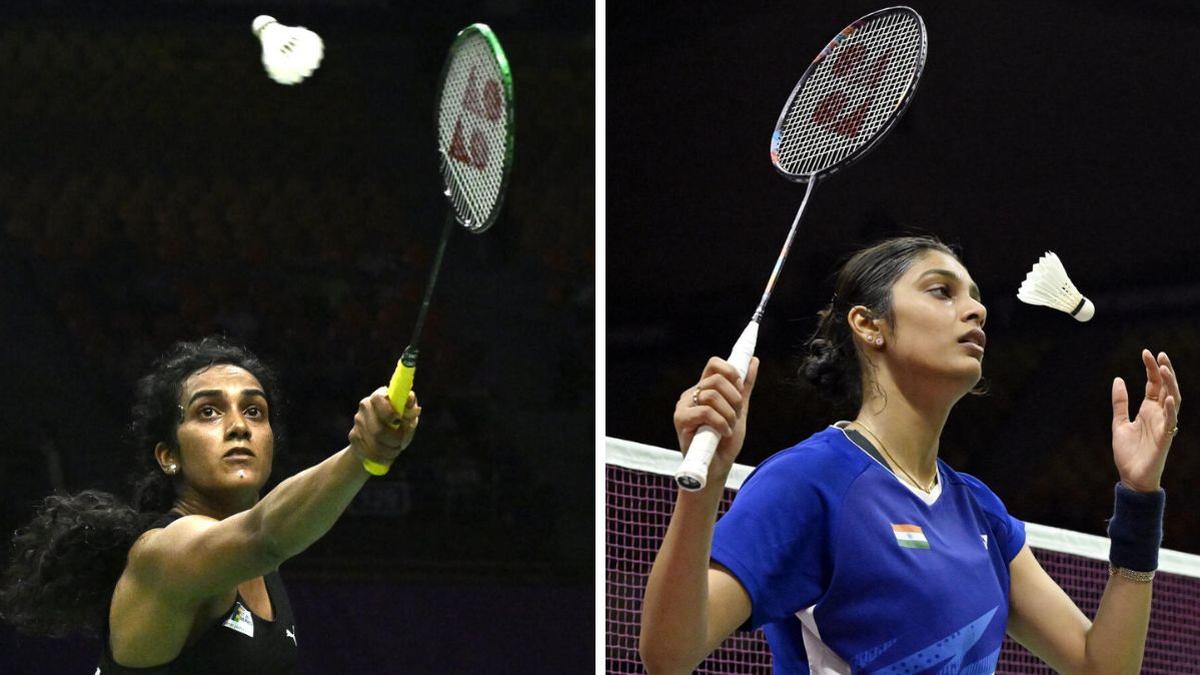
The Indian badminton team’s campaign was set in motion by none other than double Olympic medallist P.V. Sindhu, a name synonymous with excellence in the sport. Facing off against Japan’s top-ranked player Akane Yamaguchi, Sindhu demonstrated her resilience and fighting spirit, even after dropping the first game. The match unfolded as a grueling three-set encounter, with Sindhu ultimately claiming victory with a scoreline of 21-23, 21-18, 21-11.
Her victory was a testament to her mental toughness and technical prowess, as she battled through a fiercely contested opening game that saw both players exchanging momentum. In the second game, Sindhu found her rhythm, overcoming Yamaguchi’s relentless attacks to level the score. The deciding third set saw the Indian star dominate with aggressive clears and precise placement, ultimately turning the tide in her favor. This match not only energized the Indian contingent but also underscored Sindhu’s reputation as one of the most resilient players in world badminton.
Young Talent Unnati Hooda Faces a Steep Challenge
India’s next challenge came from promising young talent Unnati Hooda, who faced Japan’s 2022 junior world champion Tomoka Miyazaki. The match lasted just 48 minutes, with Miyazaki asserting her dominance early on. Despite Unnati’s spirited effort and a notable lead of 11-4 in the second game, she ultimately succumbed with a score of 21-16, 21-18.
Unnati’s performance was marked by her agility and tactical awareness, but Miyazaki’s experience and precision proved too much to handle on the day. The Japanese player’s quick reflexes and sharp shot selection kept Unnati on the back foot. This encounter provided valuable experience for the young Indian athlete, highlighting the importance of international exposure and the need for continued development in her quest to compete at the highest levels of badminton.
Indian Women’s Doubles Shine Brightly, But Overall Japanese Dominance Prevails
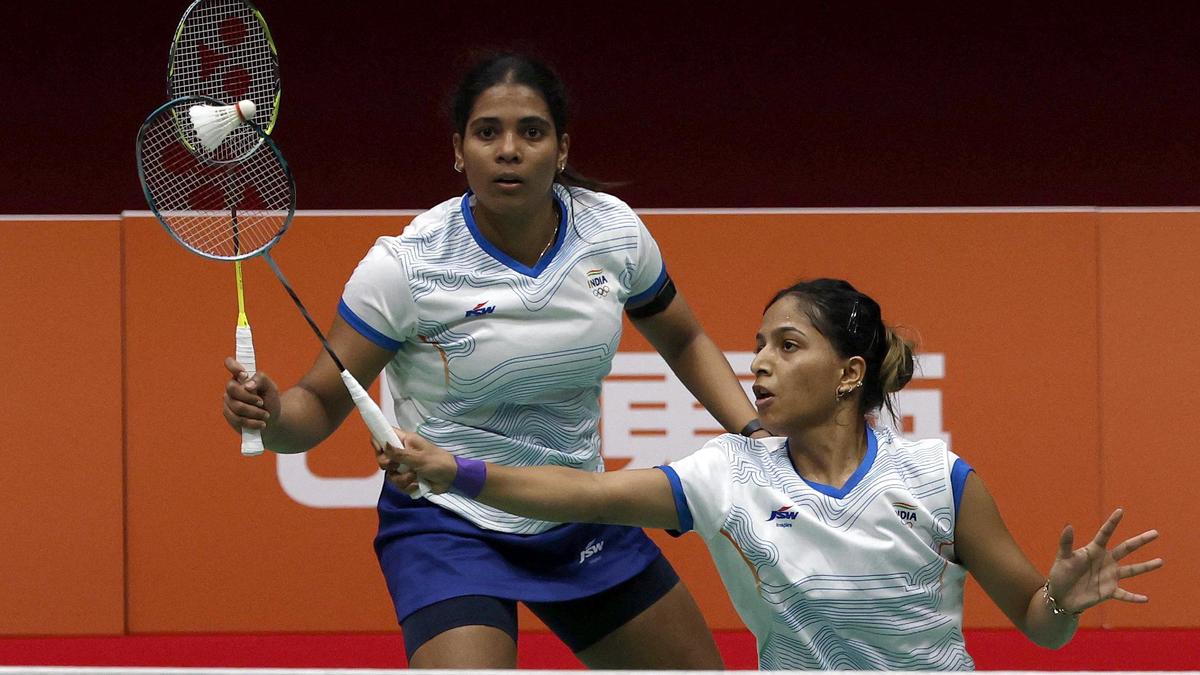
Amidst the tough losses, there was a bright spot for India in the women’s doubles category, where the pair of Treesa Jolly and Gayatri Gopichand showcased resilience and skill. They pulled off a notable upset by defeating the formidable Japanese duo of Yuki Fukushima and Mayu Matsumoto in straight games, with a convincing score of 21-17, 21-16.
This victory was particularly significant as it demonstrated India’s growing prowess in badminton doubles events, an area traditionally dominated by countries like Japan, China, and Indonesia. The Indian pair’s aggressive net play, coordinated movement, and strategic shot selection were key factors in their success, offering hope for future medal prospects in doubles categories at international tournaments.
Final Moments: Japan Seals the Deal with a Comprehensive Win
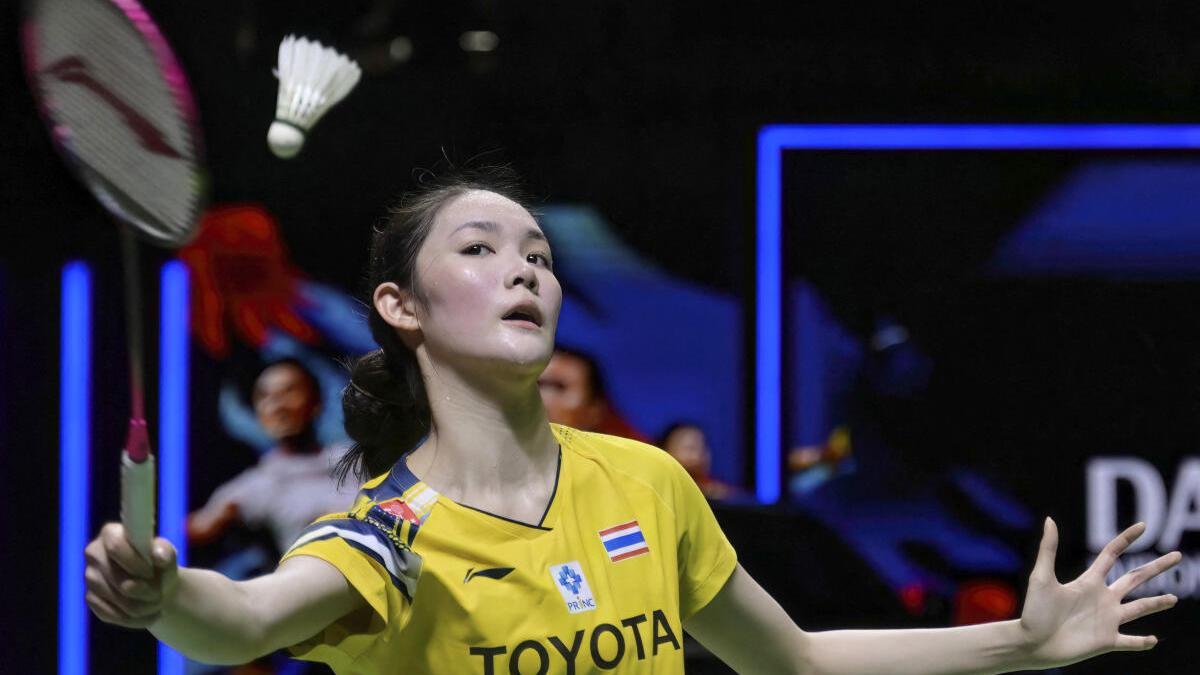
The momentum, however, shifted in Japan’s favor during the subsequent singles match involving Tanvi Sharma, who faced Nozomi Okuhara. Despite her determination, Tanvi was comprehensively outplayed, losing with scores of 12-21, 10-21. Okuhara’s experience and tactical mastery proved too much for the young Indian player, effectively sealing Japan’s victory in the tie.
The Japanese team’s overall performance reflected their depth and tactical flexibility, which allowed them to outmaneuver the Indian team in the crucial moments. Their ability to adapt quickly and capitalize on opportunities was evident throughout the match, reaffirming Japan’s status as a powerhouse in Asian badminton.
Implications for Indian Badminton and Future Prospects
The outcome of the quarterfinals underscores the intense level of competition in Asian badminton, where countries like Japan continue to set the benchmark for excellence. For India, the results serve both as a motivation and a reminder of the work needed to bridge the gap with top-tier badminton nations. Despite the setbacks, the performances of players like Sindhu, Jolly, and Gopichand highlight the promising talent pool that India is nurturing.
Looking ahead, Indian badminton authorities are expected to focus on targeted training programs, exposure to international competitions, and mental conditioning to elevate players’ performances. The Asian Games experience is invaluable, offering lessons in resilience, strategy, and consistency that will be crucial in upcoming tournaments like the World Championships and the Olympic qualifiers.
Expanding the Horizons of Badminton in India
India’s badminton scene has seen rapid growth over the past decade, with increased investments, improved coaching infrastructure, and a new generation of talented athletes emerging on the global stage. The recent Asian Games results, while challenging, provide a benchmark for the progress made and areas needing further development.
Notably, the success of doubles pairs like Treesa-Gayatri signals a shift in Indian badminton’s focus towards diversified disciplines within the sport. As more young players gain exposure and experience, India’s chances of securing medals in future international events are expected to improve significantly.
Conclusion: A Steady Path Forward for Indian Badminton
The quarterfinal clash at the Asian Games has not diminished India’s badminton aspirations but rather reinforced the importance of perseverance, strategic growth, and continuous skill enhancement. With iconic players like P.V. Sindhu leading the charge and a new wave of talented youngsters emerging, India remains hopeful of achieving greater heights in badminton on the world stage.
As Japan continues to showcase its dominance in Asian badminton, Indian players are motivated to learn, adapt, and push the boundaries of their potential. The journey ahead is challenging, but with sustained effort and strategic focus, Indian badminton is poised for a brighter future, aspiring to bring glory to the nation in upcoming global tournaments.