
Jules Koundé a major doubt for Barcelona ahead of El Clásico
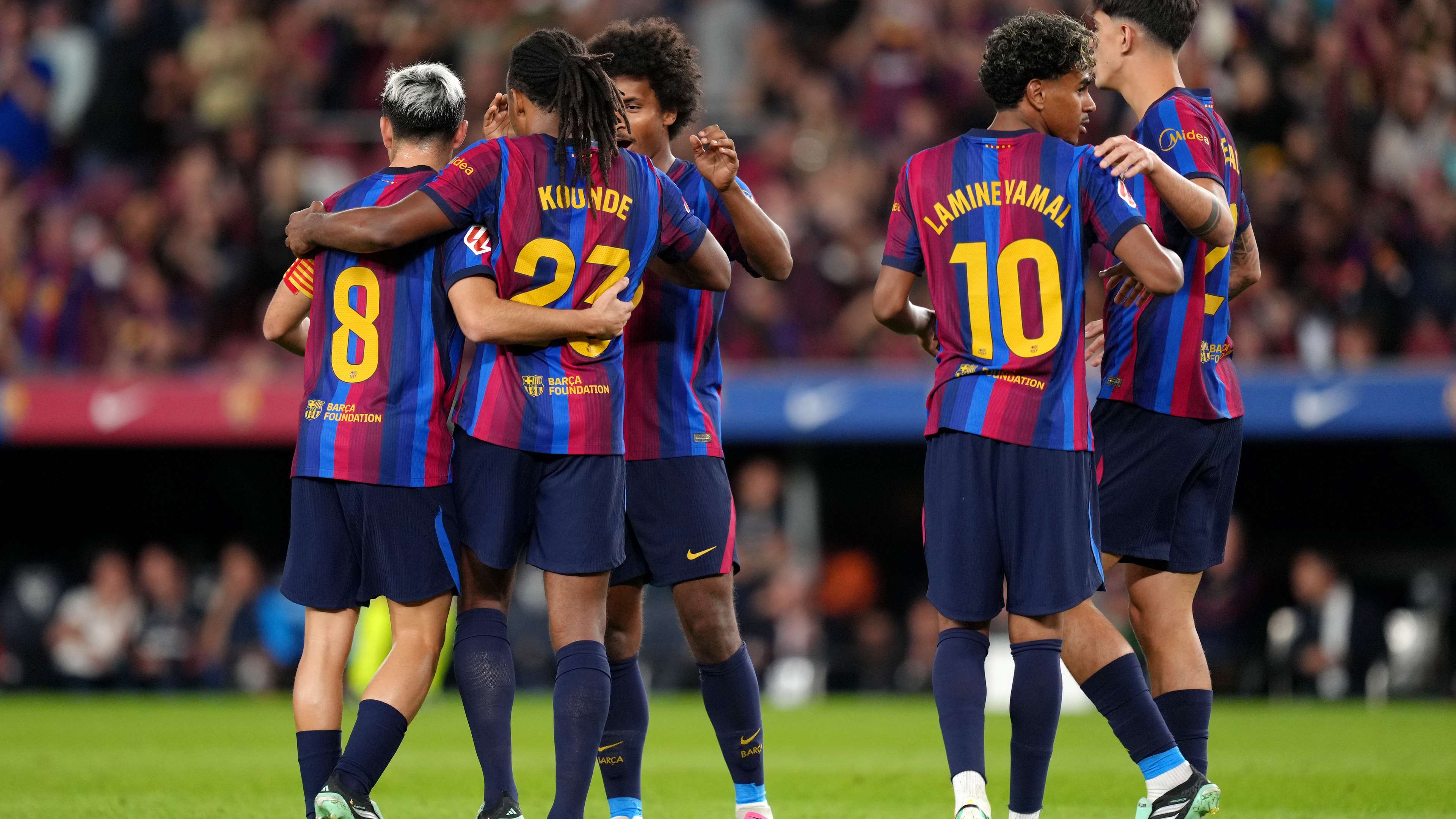
Barcelona’s preparations for Sunday’s meeting with Real Madrid have been complicated by fresh injury concerns, with defender Jules Koundé now considered a serious doubt. The French international is still struggling with a painful left ankle sprain, and the club’s coaching staff are increasingly pessimistic about his chances of being ready for one of the biggest fixtures in football.
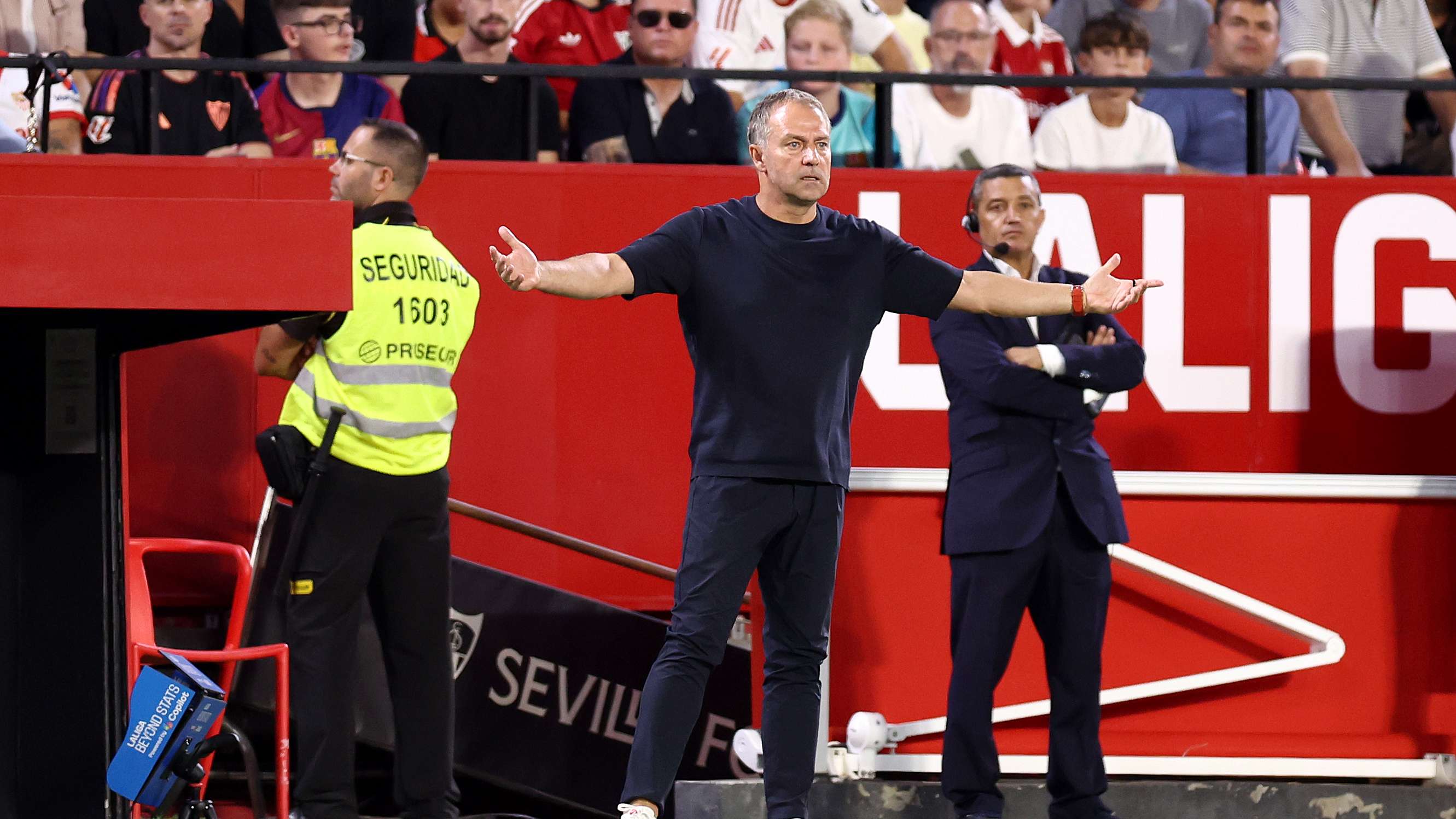
The uncertainty comes as Barcelona absorb the impact of a heavy 4-2 defeat to Paris Saint-Germain and confirm that Dani Olmo will be unavailable for around four weeks. Losing two important players so close to El Clásico would leave coach Hansi Flick with difficult decisions as he looks to reorganise his team for the LaLiga showdown.
Koundé’s ankle injury remains painful
Koundé, 27, picked up the ankle injury during Barcelona’s match against Real Betis last Saturday. Although he managed to finish the game, he appeared to be in discomfort and was seen limping the following day. Medical examinations confirmed a significant sprain, which ruled him out of the midweek match against PSG.
His absence from that European fixture was intended to give the injury time to settle. However, reports from Mundo Deportivo indicate that he is still limping noticeably and continues to feel pain around the affected area. With only a short period remaining before Barcelona face Real Madrid, the defender’s recovery has become a race against time.
Flick stopped short of ruling Koundé out when speaking before the PSG match, leaving open the possibility that the defender could make a late return. The situation now appears less encouraging. Barcelona are reportedly treating his participation as unlikely, although the club may continue to assess him as the match approaches.
An injection could carry additional risk
One possible way to get Koundé onto the pitch would be to use a pain-relieving injection. That could reduce his discomfort enough for him to play, but it would not repair the underlying injury. Competing on a sprained ankle could also aggravate the problem, potentially turning a short-term absence into a longer lay-off.
The decision is expected to involve Koundé, Flick and Barcelona’s medical staff. The player’s own preference may be important: reports say he is reluctant to receive anaesthetic injections. That hesitation is understandable, particularly given the risk of masking pain that might otherwise warn him to avoid movements capable of worsening the injury.
Even if Koundé feels able to take part, Barcelona must weigh the immediate importance of the Clásico against the rest of the season. A defender who cannot move freely may struggle against Real Madrid’s pace and attacking movement, while an early substitution could force Flick to use another valuable change. The medical team will need to judge not only whether Koundé can play, but whether he can perform safely and effectively.
Barcelona’s defensive alternatives face questions
Koundé’s possible absence would leave Flick searching for a reliable option on the right side of defence. Xavi Espart had been viewed as one candidate to help cover the gap, and his recent form had offered some encouragement. But he was substituted during the PSG match after experiencing ankle discomfort, adding another uncertainty to Barcelona’s defensive planning.
That development does not necessarily rule Espart out of contention, but it means the club must monitor his condition as well. Flick will be reluctant to rely on a player who is also carrying a fitness concern, especially in a match where defensive concentration and recovery speed are likely to be tested repeatedly.
Frenkie de Jong is another possible solution. Flick has pointed to the Dutch midfielder as an option for strengthening the back line, suggesting that Barcelona could adjust their formation or use his versatility to cover a defensive role. De Jong’s ability to carry the ball and help build attacks could be useful, but moving him into defence would also affect the team’s balance in midfield.
His limited involvement against PSG adds another layer of doubt. De Jong was not brought on, either as a defender or in midfield, so there is little recent evidence from that match to indicate how Flick intends to use him against Real Madrid. The coach may still consider him a viable option, but the lack of minutes makes his potential role harder to predict.
What Koundé’s availability could mean for El Clásico
El Clásico is rarely a routine league fixture. The rivalry between Barcelona and Real Madrid brings intense pressure, and the match can be shaped by small tactical details as much as individual moments. Koundé’s speed, defensive awareness and experience would normally make him a valuable presence, particularly when Barcelona need to contain quick transitions and protect the space behind their defensive line.
Without him, Flick may have to choose between a natural replacement, a positional adjustment or a more cautious team shape. Each option carries trade-offs. A replacement could preserve the usual structure but bring less experience, while shifting a midfielder into defence might help with possession but leave Barcelona exposed in other areas.
For supporters following the latest Barcelona team news, the key question is whether Koundé can train without pain in the days before the game. A return to full training would improve his chances, but it would not automatically guarantee a starting place. Flick and the medical staff may prefer to keep him on the bench, where he could provide cover only if circumstances demand it.
Any football prediction for Sunday’s Clásico must account for this uncertainty. Barcelona’s confirmed loss of Olmo and the doubts surrounding Koundé could influence the team’s attacking and defensive options, while Espart’s ankle discomfort and De Jong’s uncertain role complicate the selection picture further. Until the club provides a clearer update, Koundé’s involvement remains one of the most significant questions surrounding the match.
Final decision expected closer to kick-off
Barcelona are expected to continue assessing Koundé rather than make an immediate final call. The club’s priority will be to establish whether the pain and limp are improving, and whether the defender can train and change direction without risking further damage. If those signs are absent, using an injection to force his participation may be viewed as an unnecessary gamble.
For now, the mood around the defender’s availability is cautious. Barcelona would welcome Koundé’s experience for the visit of Real Madrid, but the decision will depend on his condition, his willingness to play and the medical team’s assessment of the risk. Flick may have to prepare for El Clásico without one of his key defenders—and find a solution from the options currently available.