
Behind-the-Scenes Turmoil in World Football: The Battle Over Gianni Infantino’s Future
As tensions simmer behind the scenes of world football, the character and future of Gianni Infantino, president of the International Federation of Association Football, have come under intense scrutiny. The root of the discord lies in Infantino’s failed attempt to privatize the World Cup, a move that has divided the global football community.
Key Players and Conflicting Interests
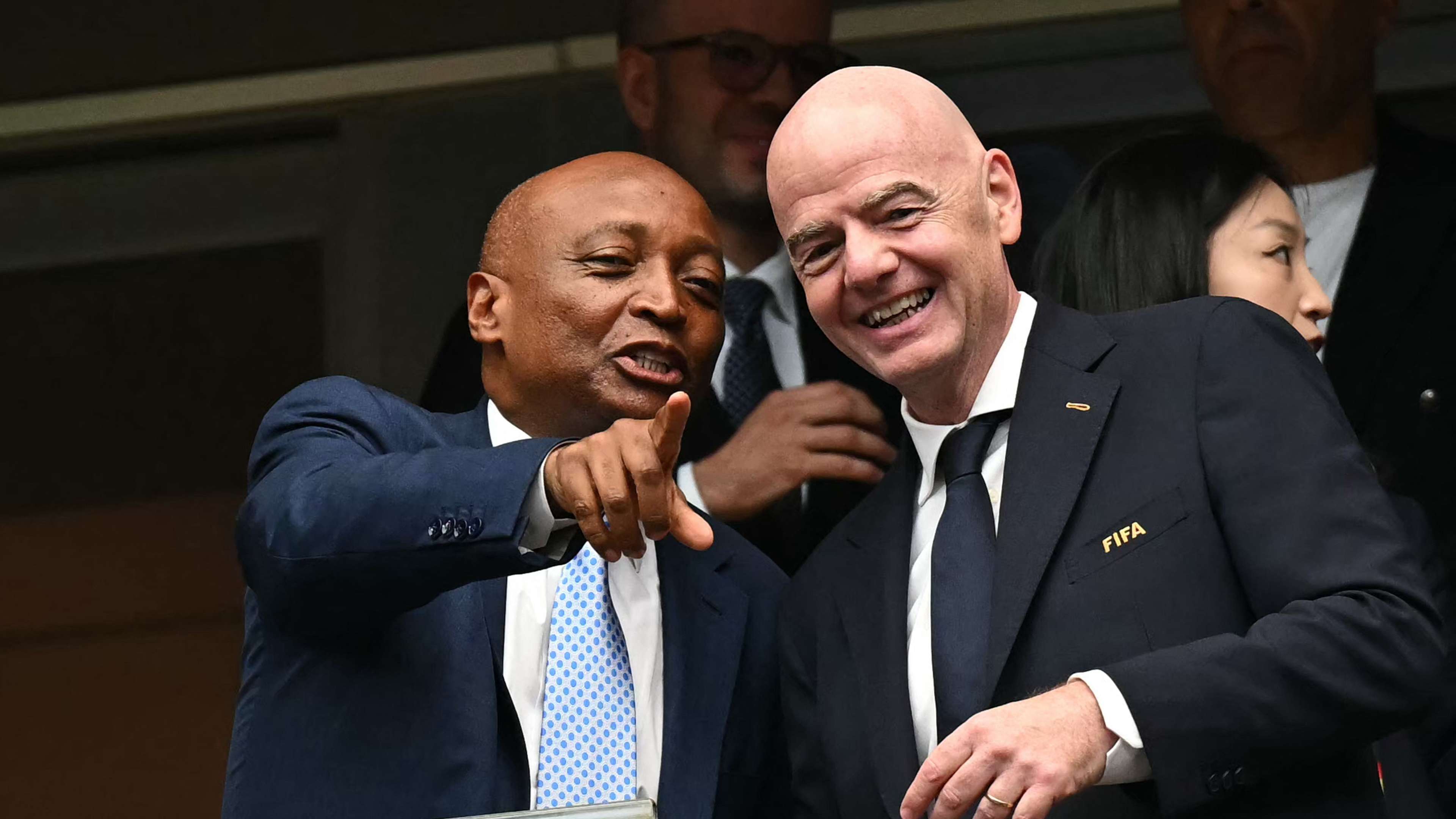
According to reports from the Spanish newspaper “Marca,” the Confederation of African Football (CAF) holds significant influence, with 54 national associations affiliated to FIFA. This makes it a crucial player in any election for the highest office in world football. Patrice Motsepe, president of CAF, has publicly expressed institutional support for Infantino, emphasizing that change must come through the ballot box.
However, behind the facade of unity, dissent brews. Constant Omari, a former president of the Congolese Football Federation and a former FIFA Council member, suggests that at least half of the African associations oppose Infantino. He claims that if a secret ballot were held today, many associations would break ranks with their public endorsements.
Opposition and Allegiances
A prominent faction within the dissenting voices comes from the English-speaking group, who criticize Infantino’s increasing power, controversial refereeing decisions, and the proposed privatization of World Cup rights. On the other hand, Infantino has found staunch support from countries like Morocco, Egypt, Mauritania, Sudan, Niger, Djibouti, and the Democratic Republic of the Congo.
Notably, Morocco’s president Fouzi Lekjaa is seeking to host the World Cup final in exchange for unwavering support of Infantino. The ties between Véron Mosengo-Omba, head of the Congolese Football Federation, and Infantino have raised suspicions, particularly regarding the termination of television rights contracts and the organization of the Africa Cup of Nations.
Mounting Pressure and Calls for Change
Pressure is mounting from the Union of European Football Associations (UEFA), with reports suggesting a potential motion of no confidence in Infantino if he does not voluntarily step aside. The European Club Association, led by Nasser Al-Khelaifi and UEFA President Aleksander Ceferin, are seeking support from other confederations to bring about institutional change within FIFA.
As the power struggle intensifies, the future of Gianni Infantino and the direction of world football remain uncertain. The battle for control behind the scenes continues to unfold, with implications that could reshape the landscape of the sport.
Stay tuned for further developments as stakeholders navigate the complex web of alliances and conflicts within the world of football.
Potential Implications of the Conflict
The battle over Gianni Infantino’s future holds significant implications for the landscape of world football. If Infantino manages to retain power, it could pave the way for further consolidation of authority within FIFA. This could lead to more controversial decisions and a shift in the balance of power among football’s governing bodies.
Conversely, if pressure from opposition forces results in Infantino stepping down or facing a vote of no confidence, it could signal a new era of accountability and transparency within FIFA. This could herald a period of reform and restructuring aimed at addressing the concerns raised by dissenting voices within the football community.
Global Ramifications and Geopolitical Influence
The conflict surrounding Gianni Infantino’s future is not confined to the world of football. It also has broader geopolitical implications, with various nations and confederations aligning themselves based on their interests and allegiances. The outcome of this power struggle could potentially impact diplomatic relations and alliances beyond the realm of sports.
Moreover, the involvement of high-profile figures such as Nasser Al-Khelaifi and Aleksander Ceferin from UEFA underscores the importance of the European football community in shaping the future of the sport. The decisions made in the corridors of power within FIFA have the potential to reverberate across continents and influence the dynamics of international football competitions.
The Role of Transparency and Good Governance
At the heart of the conflict over Gianni Infantino’s future lies a fundamental debate about transparency and good governance within FIFA. The push for accountability and fair play reflects a growing demand from fans, players, and stakeholders for a more ethical and responsible approach to managing the world’s most popular sport.
If Infantino’s leadership is called into question and substantive changes are implemented within FIFA, it could signal a turning point in the organization’s commitment to upholding the values of integrity and fairness. This could set a new standard for governance in football and serve as a model for other sports organizations grappling with similar challenges.
Looking Ahead: The Future of World Football
As the behind-the-scenes turmoil in world football unfolds, it is clear that the stakes are high and the outcomes uncertain. The battle over Gianni Infantino’s future is not just a struggle for power within FIFA but a reflection of larger forces at play in the world of sports and beyond.
Regardless of the eventual outcome, the ongoing conflict underscores the need for transparency, accountability, and ethical leadership in football governance. The decisions made in the coming days and weeks could shape the future of world football for years to come, influencing everything from tournament formats to refereeing standards and beyond.
As fans, players, and stakeholders watch the drama unfold, one thing is certain: the world of football is in a state of flux, and the outcome of this power struggle will reverberate far beyond the pitch.